SPECIAL OFFER ✦ BUY 2 GET 1 FREE! ✦ ADD 3 PRODUCTS TO YOUR CART, AND THE DISCOUNT APPLIES AUTOMATICALLY!
SPECIAL OFFER ✦ BUY 2 GET 1 FREE! ✦ ADD 3 PRODUCTS TO YOUR CART, AND THE DISCOUNT APPLIES AUTOMATICALLY!
SPECIAL OFFER ✦ BUY 2 GET 1 FREE! ✦ ADD 3 PRODUCTS TO YOUR CART, AND THE DISCOUNT APPLIES AUTOMATICALLY!
SPECIAL OFFER ✦ BUY 2 GET 1 FREE! ✦ ADD 3 PRODUCTS TO YOUR CART, AND THE DISCOUNT APPLIES AUTOMATICALLY!
Animation comes in many shapes and forms, but few comparisons spark as much curiosity as 2D vs 3D animation. Whether you’re an animator, creative student, or business owner, understanding the differences can completely change how you plan your next project idea.
Key Takeaways:
The choice between 2D and 3D animation shapes your workflow, from budget to visual storytelling.
2D excels in art style choices and quick production, while 3D offers realism and immersive possibilities.
Matching the animation style to your project’s goals ensures a smoother production process and a more impactful final result.
2D vs 3D Animation: An Easy Guide to Their Difference
Animation comes in many forms, but two of the most widely recognized are 2D and 3D. While they both bring life to mere visualization, their methods, tools, and overall feel are quite different. Let’s start by understanding these distinctions to appreciate the craft on a deeper level.
Key Differences
Here are the key 2D vs 3D animation differences that set apart both of these styles.
2D Animation
Works within a flat space, focusing on height and width only.
Characters, backgrounds, and other elements are drawn for each frame.
The look often leans toward expressive and artistic rather than hyper-realistic
3D Animation
Builds characters and settings in a fully three-dimensional digitized environment.
Relies on processes like modeling, rigging, and rendering to create movement.
Known for its depth, detailed textures, lifelike movements, and versatile camera perspectives.
When it comes to animation, the cost can vary wildly depending on styles, detail, and who’s making it. While 2D animation vs 3D animation have their own creative strengths, the budget required for each can still be estimated. Here is the explanation as summed up from B2W.
2D Animation
In 2D animation, it is usually more budget-friendly and quicker to produce compared to 3D. For smaller projects handled by freelancers or small studios, you might expect to pay anywhere between $1,000 and $7,500/minute.
Because of its known artistry, high-quality, hand-drawn or cel-style animations can climb to $10,000–$25,000 or more per minute. At the very top end, major names like Disney or Cartoon Network can spend hundreds of thousands of dollars/minute.
3D Animation
On the other hand, 3D animation often costs two to four times more than an equivalent 2D project. Freelancers may charge around $2,000 to $5,000 per minute, while mid-range studios might bill $10,000–$50,000 per minute.
For large-scale productions with Pixar-level polish, the cost can soar past $1 million/minute. Key factors that influence animation pricing include how complex the scenes are, the number of characters, the level of realism, the resolution, and how many rounds of revisions are needed.
Every animation style has its strengths and trade-offs, and choosing between 2D and 3D often comes down to your project’s goals, budget, and style preferences. Let’s break down what each animation style’s best and where it might fall short.
2D Animation
Pros:
Easier to learn, making it beginner-friendly.
Quicker turnaround and generally more affordable to produce.
Better acceptance for artistic and expressive styles.
Works well for narrative-driven and visually stylized content.
Great for projects with smaller budgets and tight deadlines
Cons:
Lacks depth and a realistic sense of space.
Camera movement and angles are more limited.
Backgrounds tend to be less detailed and dynamic..
Not the best choice for fully immersive or interactive media.
3D Animation
Pros:
Delivers realistic visuals with natural, lifelike motion.
Supports dynamic camera work and richly detailed environments.
Highly versatile, because assets can be reused, adjusted, and repurposed.
Perfect for immersive aspects like games, films, and VR.
Cons:
More complex to learn.
Higher costs and longer production timelines.
Requires specialized knowledge, costly software, and powerful equipment.
Rendering, revisions, and updates are typically resource-heavy.
From the points above, we can conclude that 2D animation is arguably easier to make and more beginner-friendly. Moreover, it needs simpler tools. In contrast, 3D animation involves more complex software, stronger hardware, and advanced character movement to run smoothly.
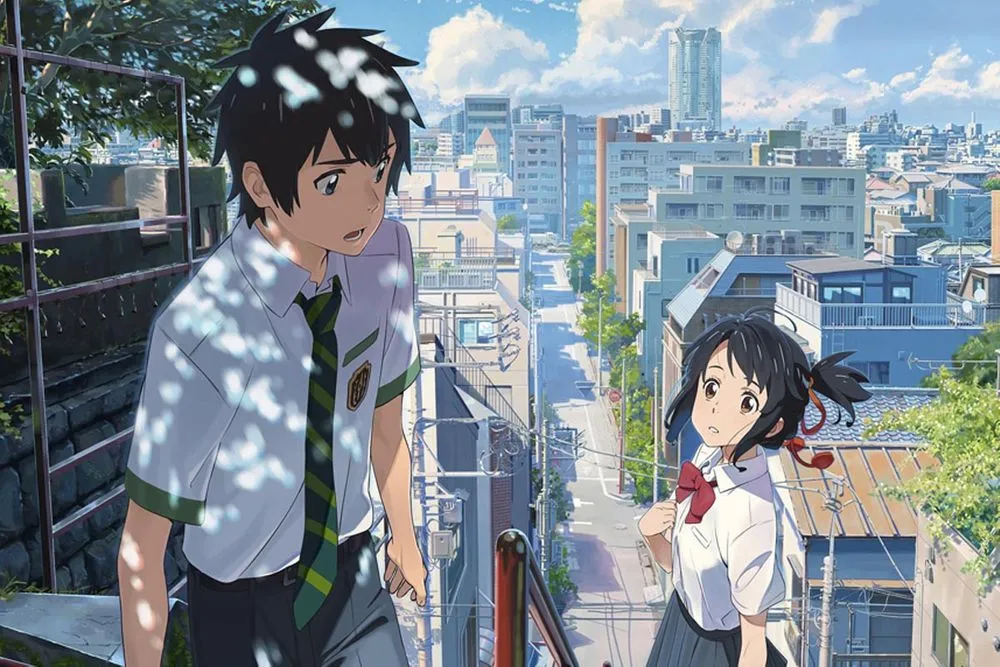
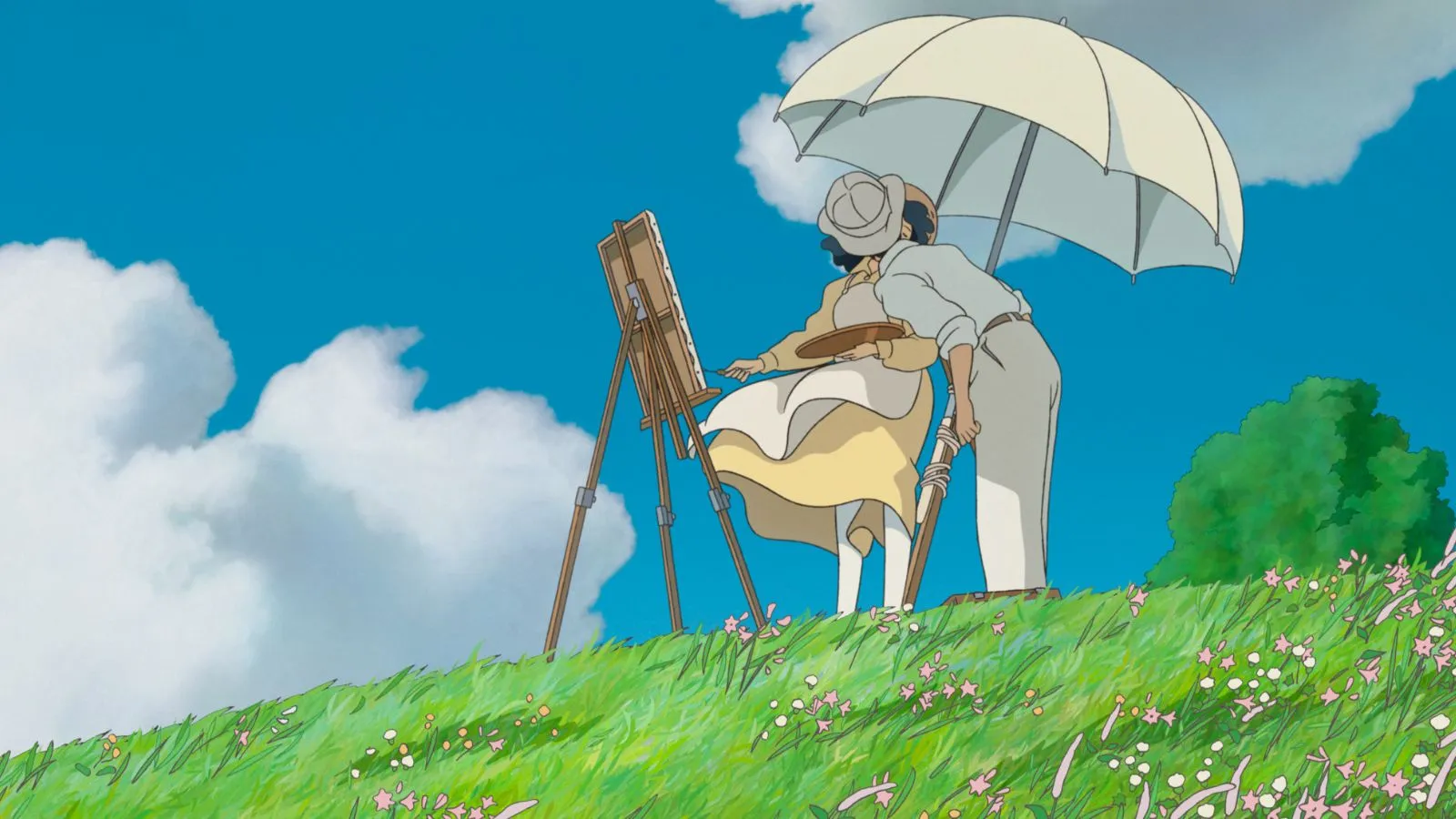
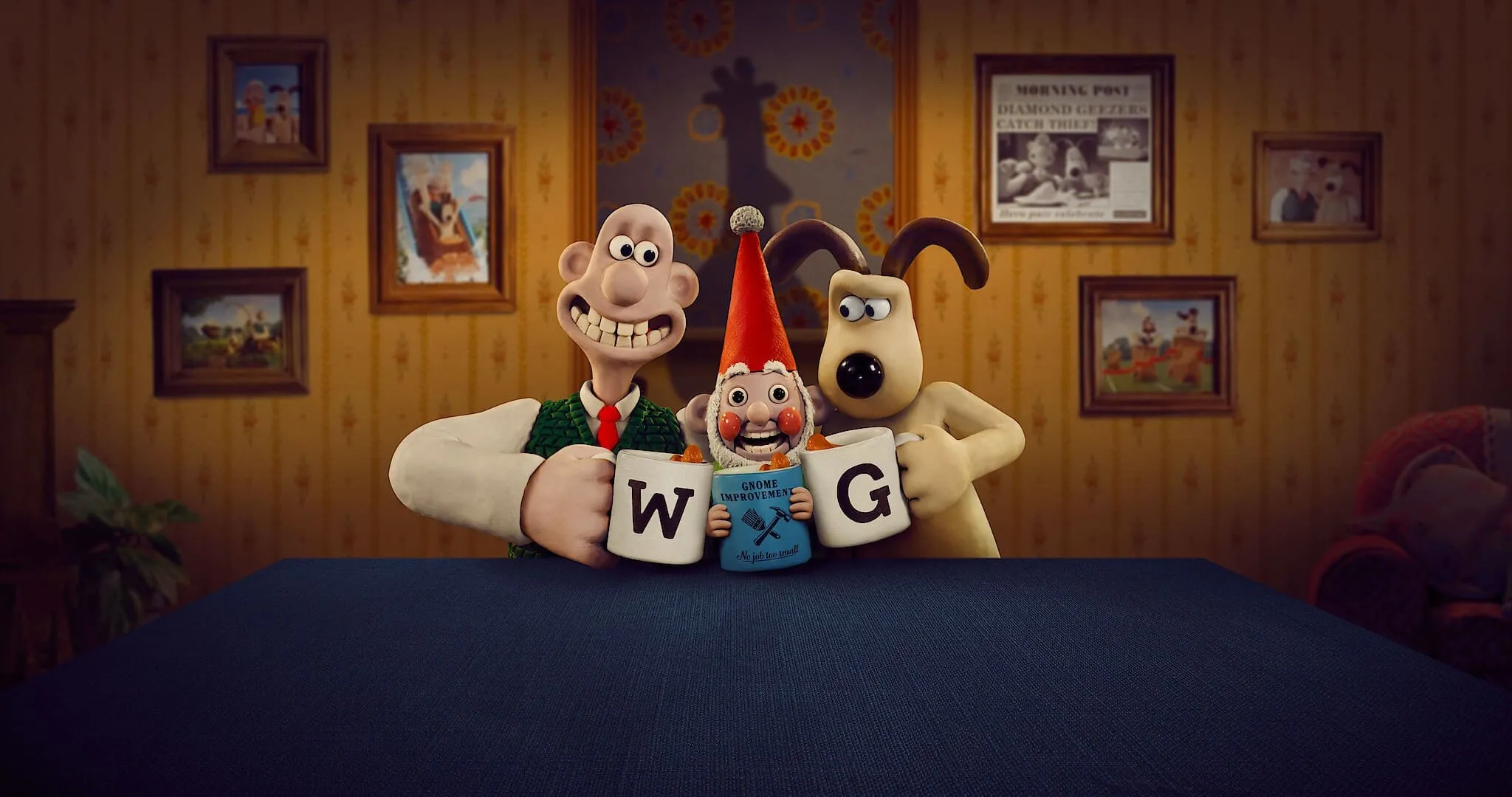
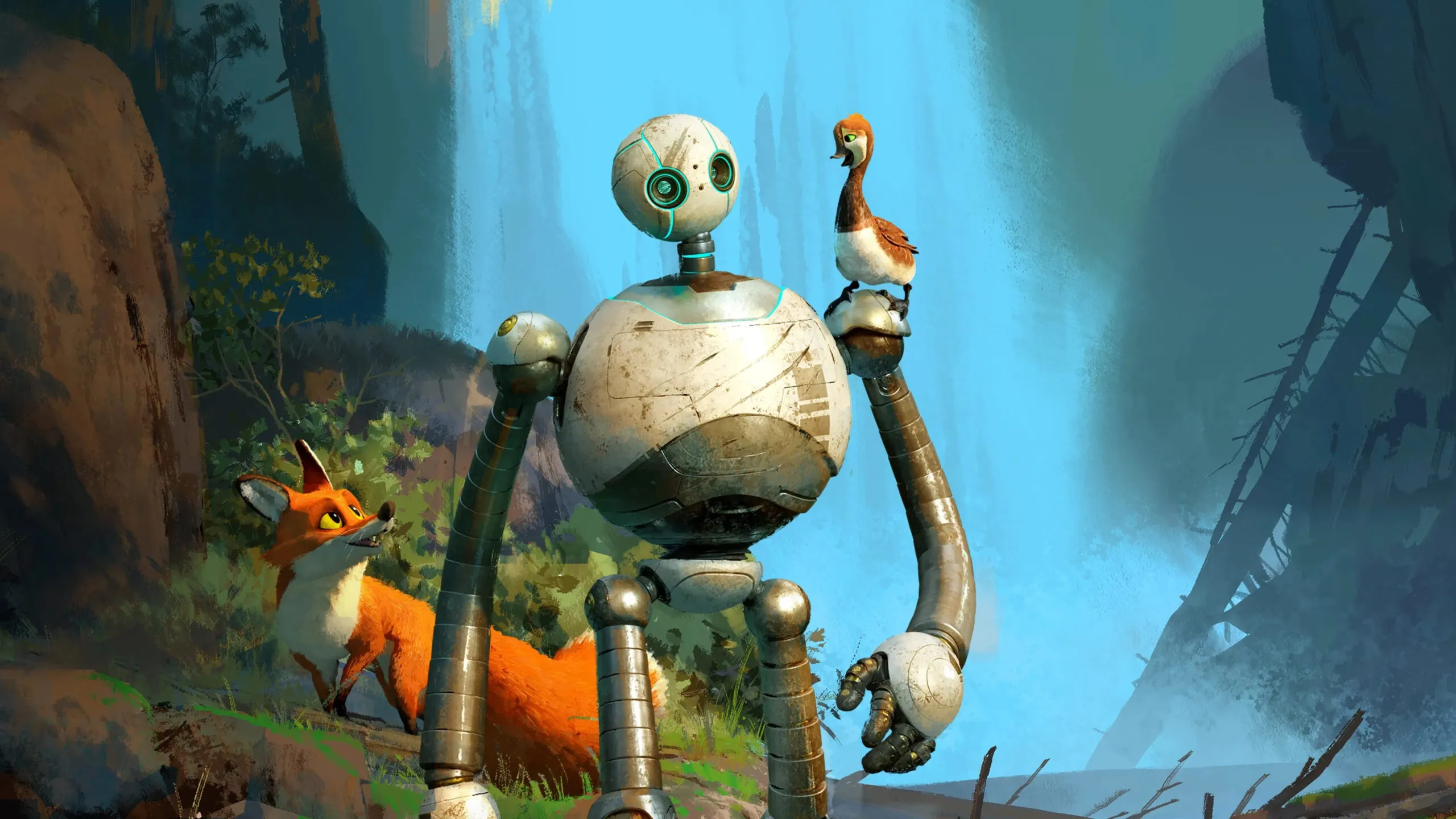
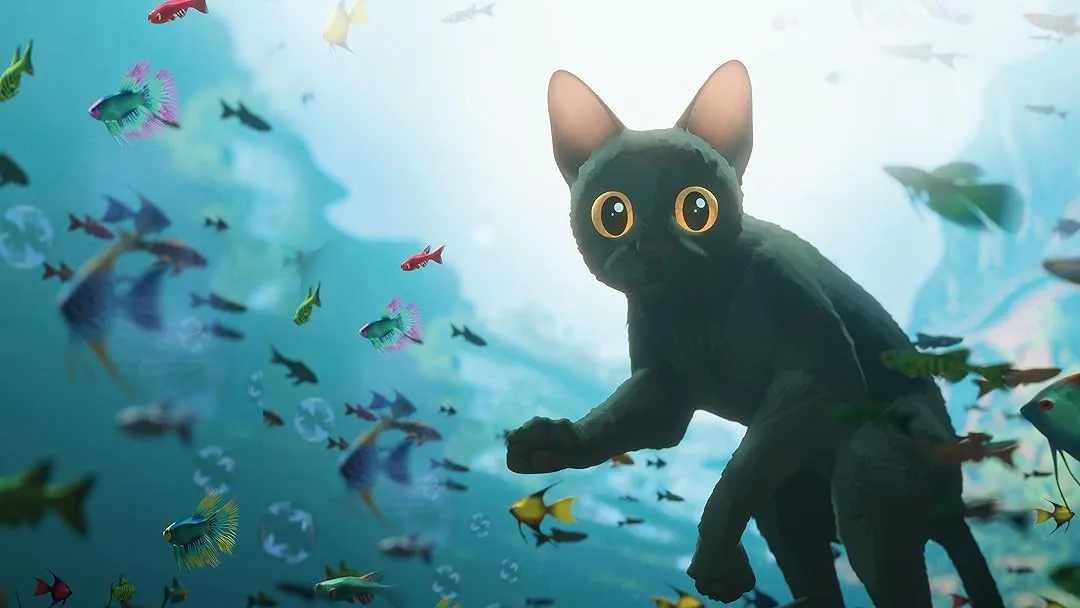
2D Vs 3D Animation Examples
Let’s take a look at the best choices of each style in recent years!
Animation is a playground for creativity, and both 2D and 3D have a place in it. By exploring the strengths of 2D vs 3D animation, you can better understand what each style offers and make a choice that suits your practical needs while reflecting your creative style.
While planning the next big thing for your brand, visit Tridimensi to get professional-standardassets, background, and animation instantly. Whether it’s bold and artistic or immersive and lifelike, these assets set the tone for every frame that follows.