SPECIAL OFFER ✦ BUY 2 GET 1 FREE! ✦ ADD 3 PRODUCTS TO YOUR CART, AND THE DISCOUNT APPLIES AUTOMATICALLY!
SPECIAL OFFER ✦ BUY 2 GET 1 FREE! ✦ ADD 3 PRODUCTS TO YOUR CART, AND THE DISCOUNT APPLIES AUTOMATICALLY!
SPECIAL OFFER ✦ BUY 2 GET 1 FREE! ✦ ADD 3 PRODUCTS TO YOUR CART, AND THE DISCOUNT APPLIES AUTOMATICALLY!
SPECIAL OFFER ✦ BUY 2 GET 1 FREE! ✦ ADD 3 PRODUCTS TO YOUR CART, AND THE DISCOUNT APPLIES AUTOMATICALLY!
Behind every realistic reflection, lifelike shadow, or smooth animation lies the choice of rendering method. The types of 3D rendering shape how digital models transform into final visuals. Whether you’re aiming for real-time performance or cinematic quality, exploring these approaches reveals how art and technology intersect.
Key Takeaways:
The main types of rendering include real-time rendering, ray tracing, and rasterization.
The right rendering type depends on whether your project needs speed or maximum detail.
Understanding the different types of rendering helps you choose the best approach for your project.
Understanding the Core Types of 3D Rendering
To better understand how visuals are created, it’s essential to examine the core 3D rendering techniques that drive them. Each method solves unique challenges in balancing realism, speed, and performance, shaping the way digital environments and objects are brought to life.
1. Real-Time Rendering
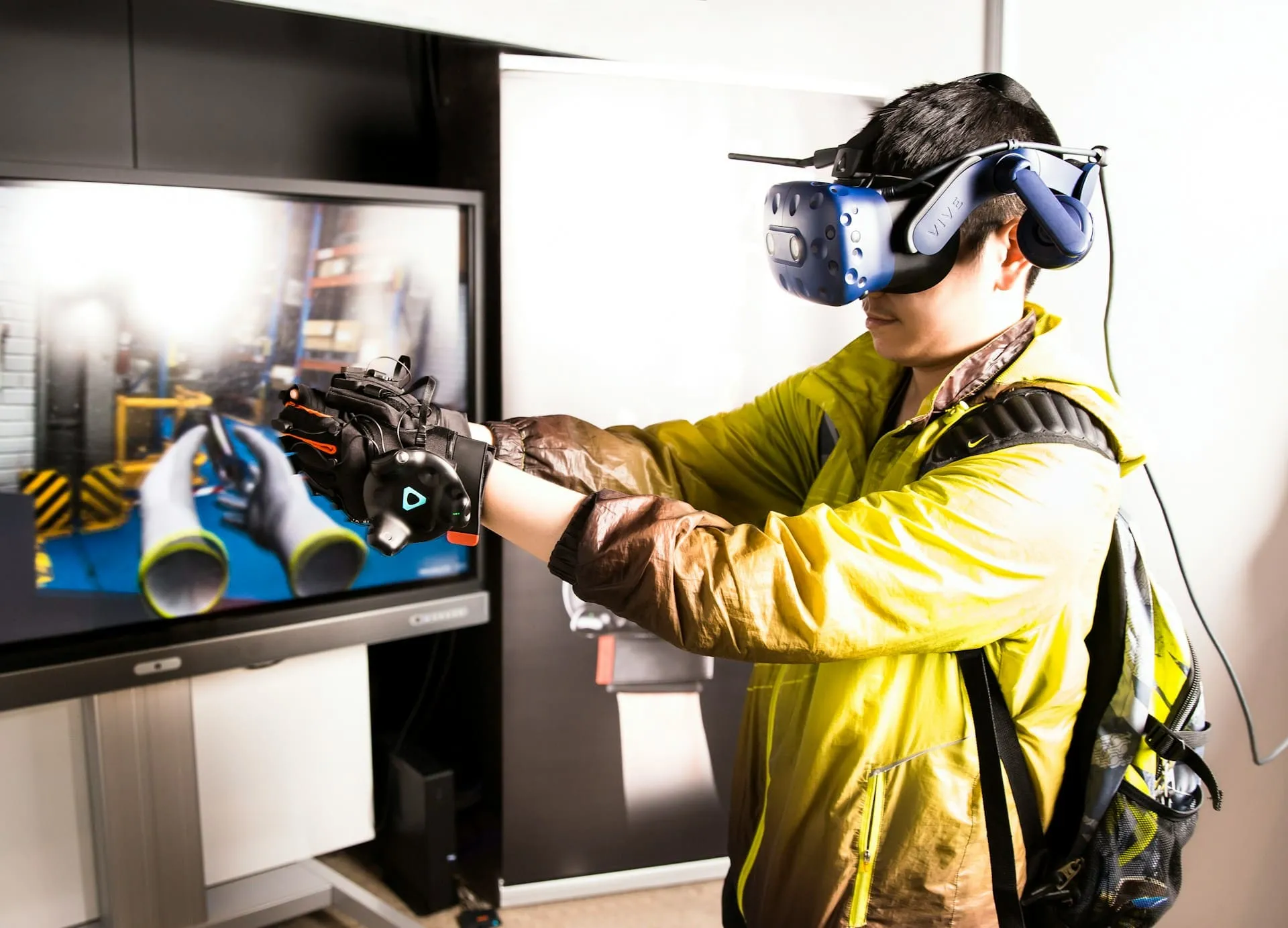
VR Experience (Source: Unsplash)
Real-time rendering is designed for interactive applications, delivering frame rates high enough for smooth visuals (commonly 24–60 FPS). While rasterization provides the backbone, ray tracing is increasingly integrated to achieve greater realism while maintaining speed.
Examples: Grand Turismo 7, The Mandalorian, Unreal Engine
Ray tracing models the behavior of light by simulating it as they passes through a scene. It captures shadows, reflections, refractions, and indirect illumination, producing results that are highly realistic but computationally demanding.
Examples: Cyberpunk 2077, Minecraft RTX Edition, Avatar: The Way of Water
Advantages:
Produces photorealistic results with accurate lighting and shadows.
Handles complex effects such as transparency and caustics.
Becoming more practical with advancements in hardware acceleration.
Disadvantages:
Demands powerful GPUs for real-time applications.
Complex scenes significantly extend render times.
More resource-intensive and slower than rasterization.
3. Rasterization
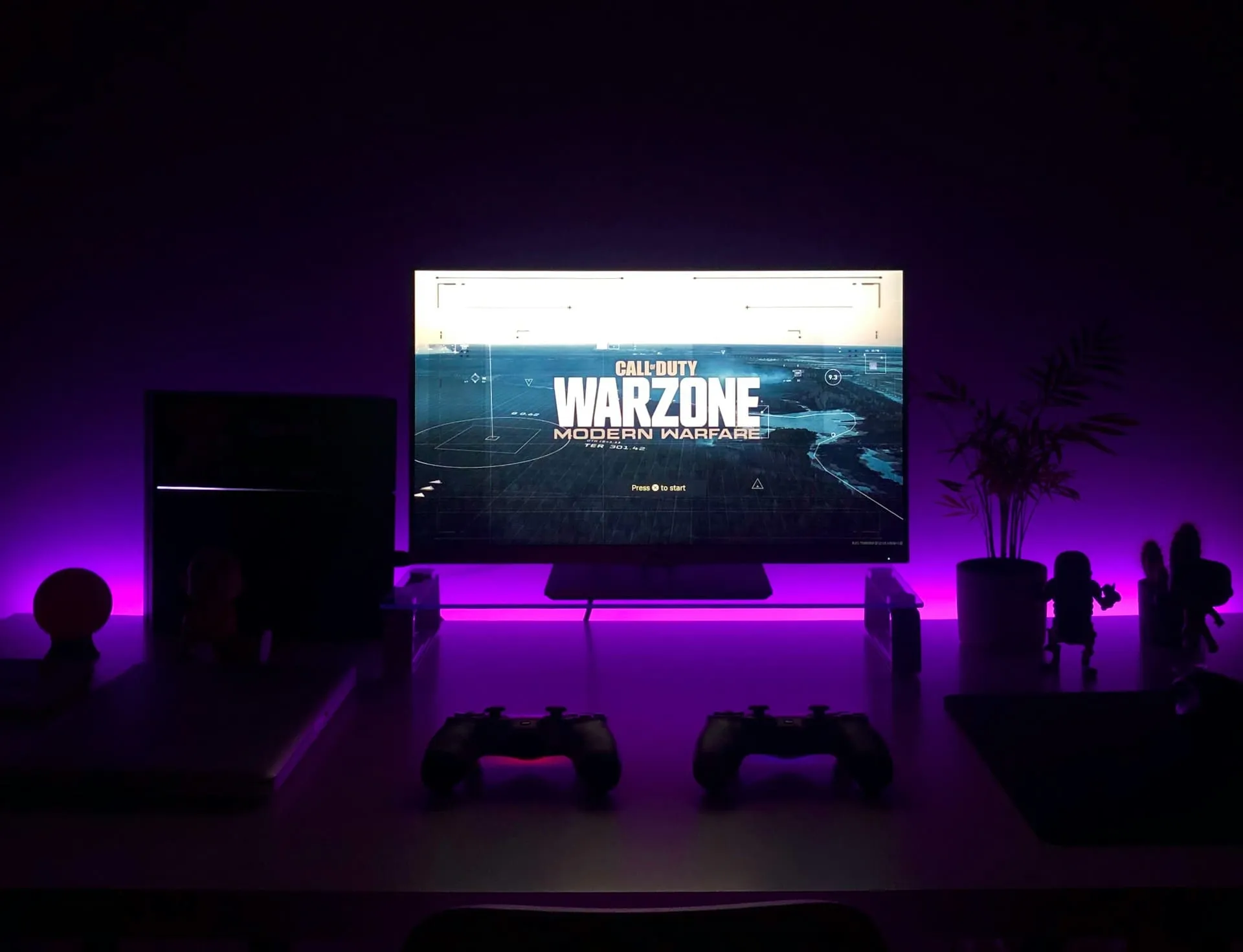
Call of Duty Warzone (Source: Unsplash)
Rasterization is one of the most widely applied types of 3D rendering. It transforms 3D polygon meshes into 2D pixels by mapping vertices, textures, and colors. Its efficiency makes it the foundation of real-time graphics in video games, AR, and VR applications.
Examples: Fortnite, Call of Duty: Warzone, Pokémon Go
Advantages:
Extremely fast and efficient for interactive rendering.
Broad support across modern graphics hardware.
Provides good enough quality for real-time experiences.
Disadvantages:
Limited realism compared to physically based lighting.
Struggles with advanced effects like reflections or global illumination.
Quality often depends on additional post-processing.
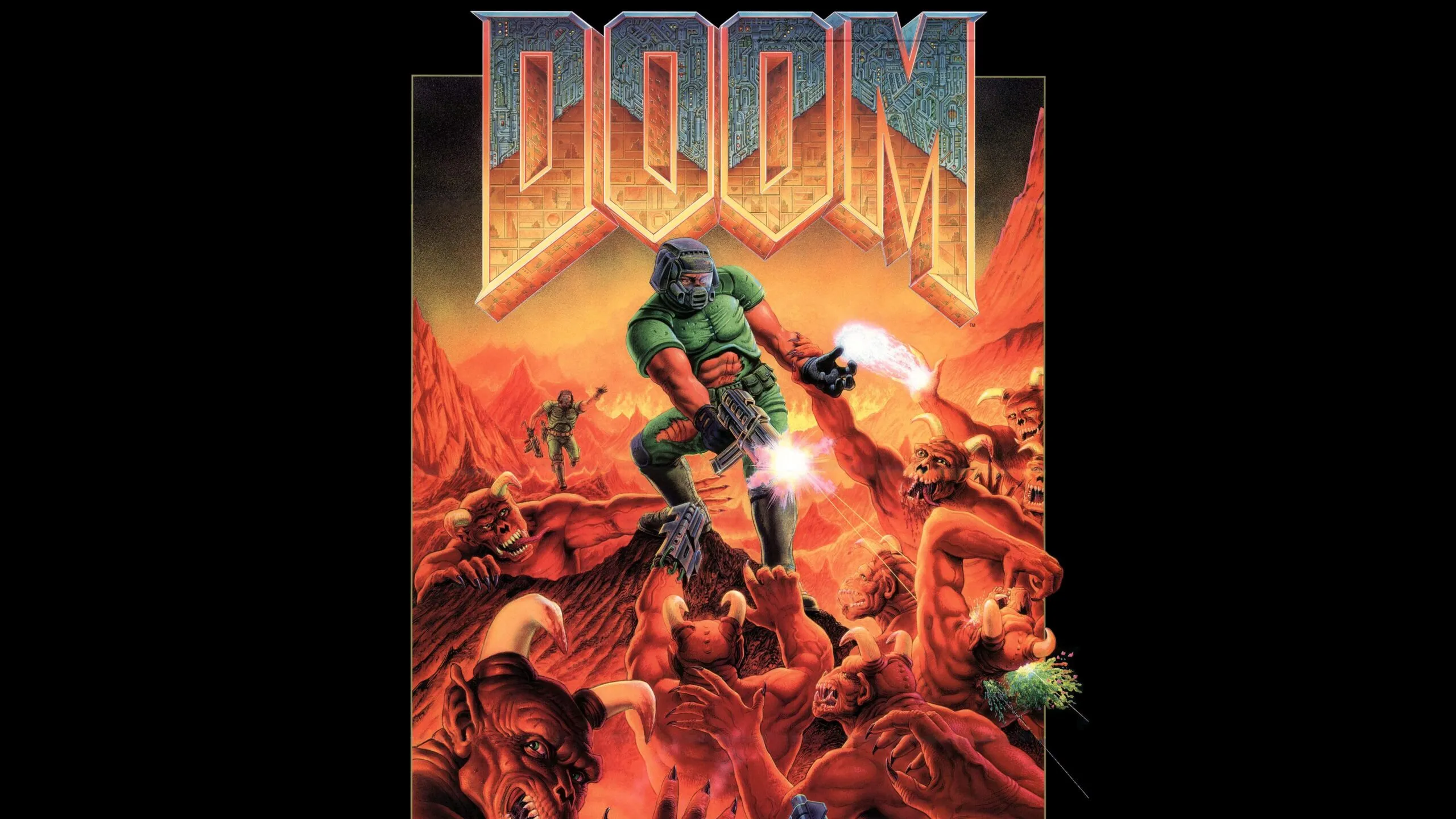
Ray casting is a simplified form of ray tracing. It projects rays from the camera to identify visible surfaces and calculate basic lighting. This method is typically used for quick calculations or technical purposes rather than polished final visuals.
Examples: Wolfenstein 3D (1992), Doom (1993), Medical Imaging (CT scans)
Advantages:
Faster than complete ray tracing.
Useful for depth calculations and light placement.
Effective for quick visibility checks.
Disadvantages:
Cannot replicate secondary effects like reflections.
Rarely used on its own for final rendering.
Less detailed than ray tracing
5. Scanline Rendering
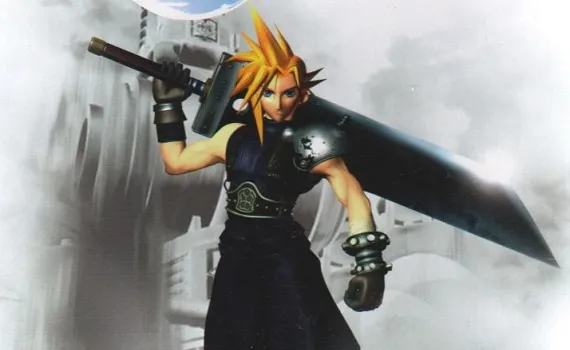
Final Fantasy VII (Source: schmuplations)
Scanline rendering processes geometry polygon by polygon rather than pixel by pixel, which makes it more efficient in certain contexts. Though largely outdated today, this approach once played a major role in animation pipelines.
Examples: Toy Story (1995), Final Fantasy VII (1997), 90s TV commercials (with CGI)
Advantages :
Produces smooth results, especially for animation
Efficient in terms of memory usage.
Faster than ray tracing in complex scenes.
Disadvantages:
Less realistic compared to modern techniques.
Replaced in most workflows by newer types of 3D rendering.
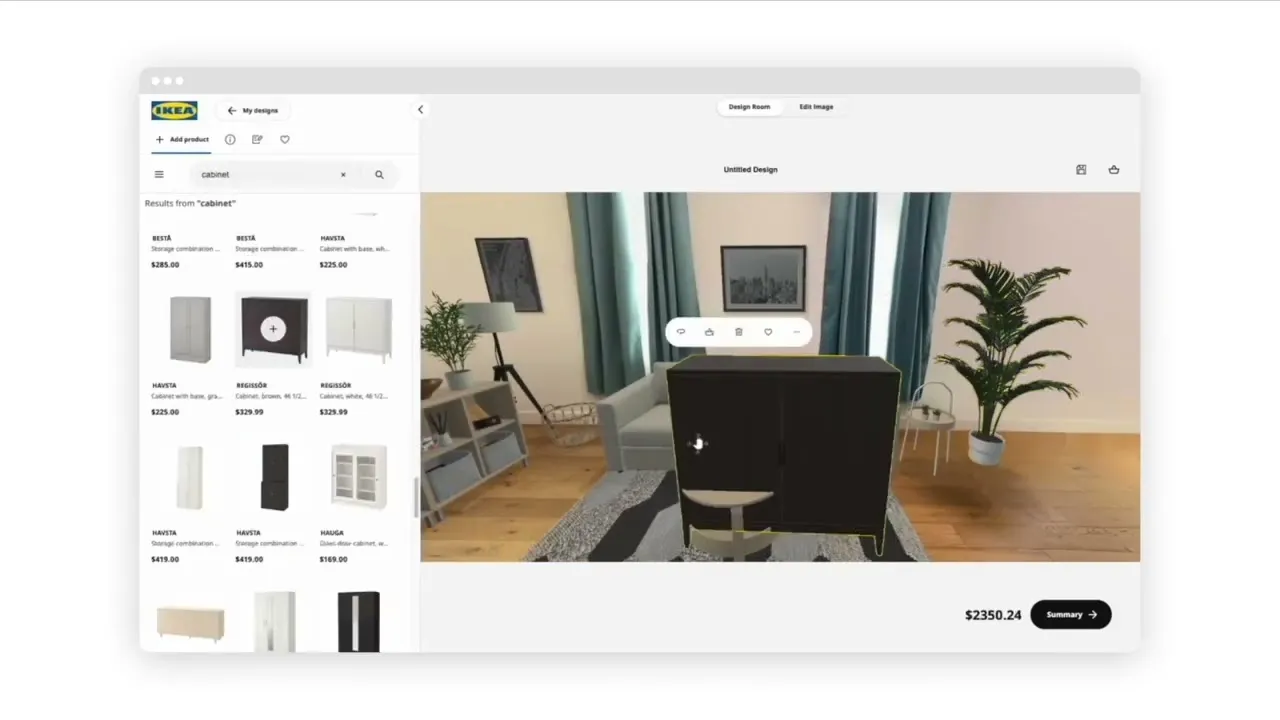
Interactive rendering bridges the gap between fast real-time techniques and high-quality offline rendering. It is commonly applied in architecture and design, offering immediate feedback when adjusting materials, lighting, or camera views.
Examples: Autodesk Revit (architecture), IKEA Place App, Unity Reflect.
Advantages :
Balances rendering speed with high-quality output.
Supports iterative design workflows.
Allows on-the-fly adjustments during previews.
Disadvantages:
Demands strong hardware performance.
May not match the speed of pure real-time rendering.
Can struggle with very detailed environments.
7. Global Illumination (Rendering Equation)
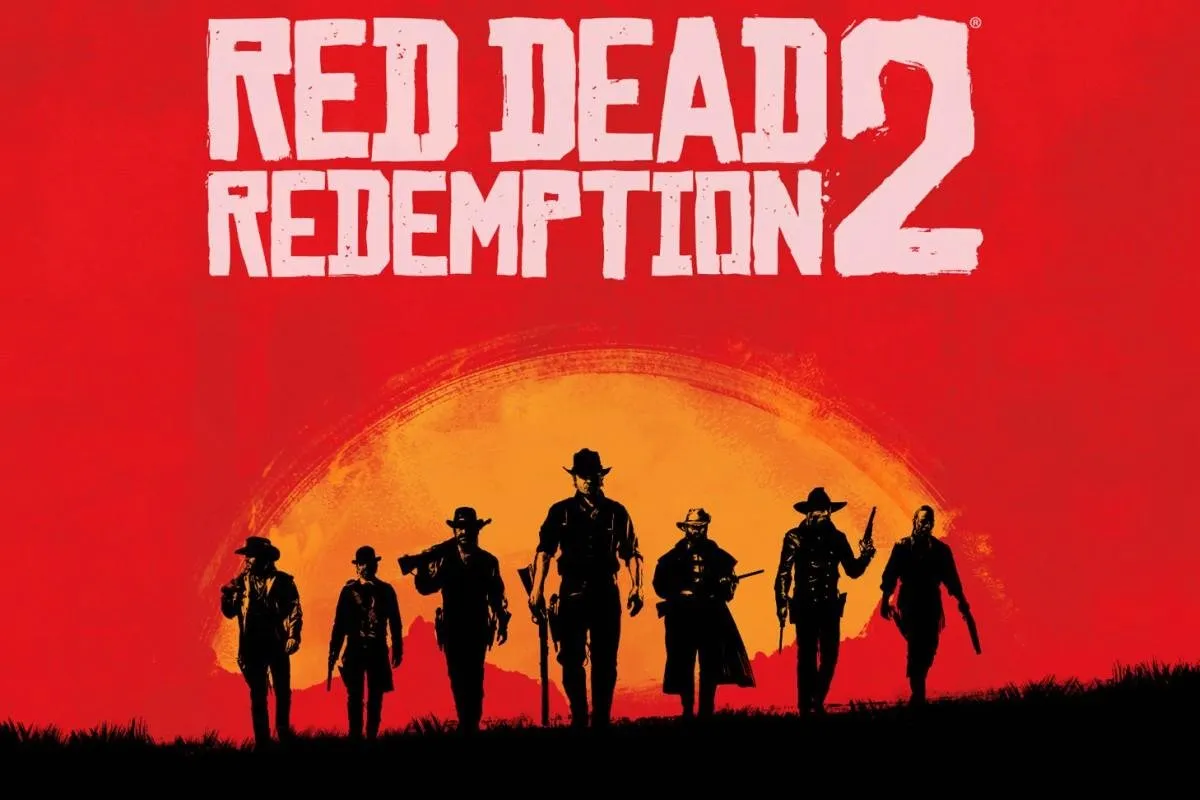
Red Dead Redemption 2 (Source: The Reflector)
Global illumination techniques compute both direct and indirect light interactions, including multiple bounces and subtle effects like color bleeding. This results in exceptionally realistic renders, which is why it is widely used in high-end film production and VFX.
Examples: Pixar’s Finding Nemo, The Lion King (2019), Red Dead Redemption 2.
Advantages :
Produces highly realistic results.
Captures delicate details like diffuse reflections and soft shadows.
Crucial for photorealistic cinematic rendering.
Disadvantages:
Very resource-heavy and time-consuming.
Impractical for real-time use without approximations.
In practice, the different types of rendering techniques are less about competition and more about purpose. Each shines in specific contexts, from design previews to cinematic storytelling. By mastering them, professionals can adapt, innovate, and deliver remarkable results across industries.
To better understand different types of 3D rendering, you can try them yourself with proper 3D elements as your case study. Here at Tridimensi, we’ve prepared the top-of-the-market 3D assets, backgrounds, and animations to help you determine the best rendering techniques for your next project.