In the rapidly shifting landscape of 2026, digital design has moved decisively beyond the constraints of flat, two dimensional interfaces. Two distinct styles have emerged as the dominant forces in modern branding: Claymorphism and Glassmorphism. Understanding the 3D claymorphism vs glassmorphism trends is a factual necessity for designers who wish to build a professional identity that resonates with contemporary audiences. Tridimensi.pro offers extraordinary digital products, from soft organic shapes to refractive glass icons, designed to help you revolutionize your design process regardless of which trend you follow.
The choice between these two styles is more than aesthetic; it is a strategic decision regarding how you want your users to feel. Claymorphism focuses on friendliness, tactile comfort, and approachability, while Glassmorphism emphasizes transparency, high tech sophistication, and innovation. This informational gain allows brands to communicate their core values through visual metaphors that users can intuitively understand. By utilizing high fidelity 3D assets, you ensure your project projects a premium polish that stays ahead of the design curve.
The Rise of Claymorphism: Human Centric and Approachable
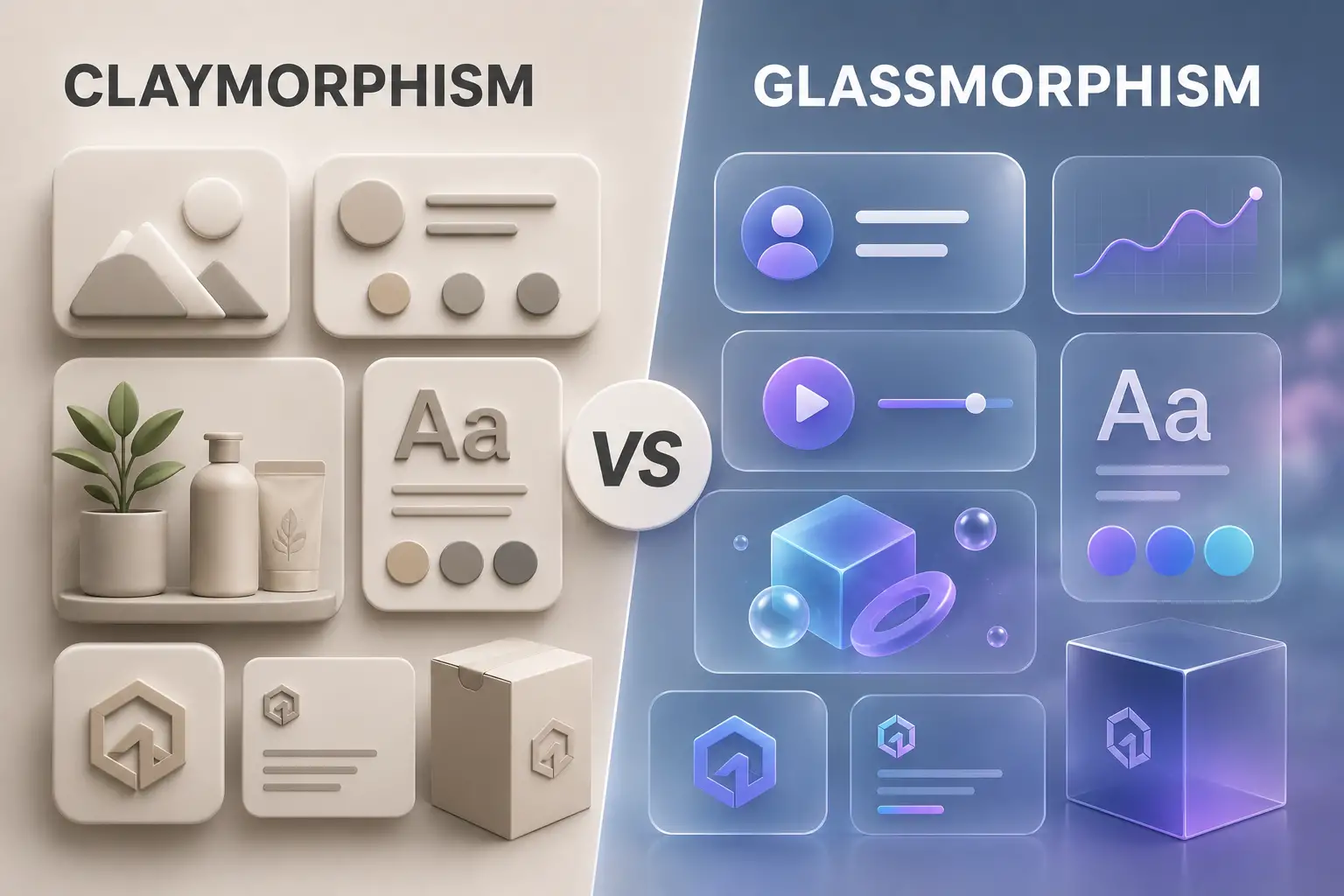
Claymorphism is the “soft” revolution in 3D design. Characterized by rounded corners, matte surfaces, and inner shadows, this style makes digital objects look like they were sculpted from soft clay or inflated like balloons. This trend, often referred to as “Organic Digitalism,” is a reaction against the cold, industrial feel of traditional enterprise tech. The 100 Fluffy 3D Elements available at Tridimensi are a prime example of this trend, offering bouncy and tactile shapes that bring a sense of playfulness to any project.
Expert designers use claymorphism to make software feel less intimidating. By using soft 3D elements, a brand appears more human centric and empathetic. This is particularly effective for EdTech, wellness apps, and creative collaboration platforms. When an interface looks like it could be squeezed or touched, users feel a lower barrier to entry, which can lead to higher engagement and a more positive brand association.
Professional guidelines for Claymorphism:
- Matte Textures: Avoid highlights that are too shiny; stick to soft, diffused light to maintain the “clay” look.
- Inner Shadows: Use inner shadows to give the objects an “inflated” or 3D look without making them look metallic.
- Playful Motion: Pair these assets with “elastic” or bouncy animations to reinforce the soft, organic persona.
The Sophistication of Glassmorphism: Transparency and Tech
On the other side of the spectrum is Glassmorphism, a style that utilizes translucency, background blurs, and prismatic light refraction. This aesthetic mimics the physical properties of frosted glass, suggesting clarity and depth. The 3D Abstract Glass Shapes and UI Glass Dispersion icons from Tridimensi reflect the 2026 evolution of this trend, focusing on high end realism and intricate light dispersion that signals expert level engineering.
For SaaS, fintech, and security brands, glassmorphism is a visual metaphor for “honesty.” It allows a brand to show its internal mechanisms through refraction, creating a sense of sophisticated transparency. Using glass textured 3D assets allows you to layer information without cluttering the screen, keeping the UI clean and modern. This style projects a “Tier 1” image, telling your audience that your technology is advanced, innovative, and reliable.
Key attributes of modern Glassmorphism:
- Prismatic Dispersion: Use assets that split light into a rainbow spectrum to add a layer of optical realism and premium detail.
- Multi Layering: Place glass elements on different Z axis planes to create a spatial layout that feels immersive.
- High Contrast: Ensure your text remains readable by using dark overlays or high contrast typography behind the glass textures.
Which Trend Fits Your Digital Campaign?
Choosing between claymorphism and glassmorphism depends entirely on your brand’s voice. If your goal is to be a “friendly partner” to your users, claymorphism is the superior choice. It breaks the “robotic” barrier of the digital screen and makes the user experience feel warm and inviting. However, if your goal is to be seen as a “cutting edge leader” or a “secure vault,” glassmorphism provides the technical authority and sophisticated polish required to build that trust.
[Informational Gain: Claymorphism is about how a brand feels; Glassmorphism is about how a brand thinks.]
Both trends benefit from the “Fast Visuals” workflow provided by Tridimensi.pro. Instead of spending days rendering these complex materials, you can use our performance optimized, ready to use visuals. This allows you to revolutionize your design process by focusing on the creative arrangement of these elements rather than the technical production. Whether you are designing a hero section or a professional pitch deck, using high HD 3D assets ensures your visual identity remains crisp and future ready on every device.
Trends to watch in 2026:
- Hybrid Style: Mixing soft clay shapes with glass accents to create a “tactile tech” look.
- Kinetic Depth: Using 3D animations like a Liquid Sphere to add movement to these aesthetics.
- 6K Realism: Utilizing ultra high resolution to make 3D materials look indistinguishable from physical objects.
Revolutionize Your Brand with Tridimensi
Tridimensi.pro is dedicated to providing the extraordinary digital products needed to navigate these shifting trends. Our curated library of 3D objects, backgrounds, and animations is designed to help you master both claymorphism and glassmorphism with ease. By offering plug and play visuals that meet the highest professional standards, we empower you to build a world class digital identity that stands out in the marketplace.
Tridimensi Trend Toolkit:
- 100 Fluffy 3D Elements: For the ultimate claymorphic brand identity.
- UI Glass Dispersion Icons: High end glassmorphism for modern tech interfaces.
- 3D Animated Wave Backgrounds: Kinetic depth for high impact hero sections.
- Entire Store Bundle: Access both styles and everything else for just $99.
Ordering Information
Ready to decide between claymorphism or glassmorphism for your next project? You can reach our team directly via email at: [email protected]
Alternatively, you can send a message or DM to our social media channels. Our team is ready to assist you with asset selection, custom requests, or helping you choose the right style to future proof your digital brand.
FAQ
Can I mix claymorphism and glassmorphism on the same website?
Yes! Many expert designers use claymorphic shapes for characters or friendly icons and glassmorphism for background panels or navigation bars to create a balanced, modern look.
Are these 3D styles bad for loading speed?
Only if they aren’t optimized. At Tridimensi, we provide high resolution PNGs and compressed MP4s that give you the 3D look without the technical weight of raw 3D files, keeping your site fast and SEO friendly.
Which style is better for mobile apps?
Claymorphism is often favored for mobile because its soft, rounded shapes feel very natural to touch with a thumb, but glassmorphism is also popular for high end control panels and wallets.
How do I stay updated on new 3D trends?
Subscribe for updates at Tridimensi! We constantly release new products that follow the latest design movements, ensuring you always have access to future ready visuals.