SPECIAL OFFER ✦ BUY 2 GET 1 FREE! ✦ ADD 3 PRODUCTS TO YOUR CART, AND THE DISCOUNT APPLIES AUTOMATICALLY!
SPECIAL OFFER ✦ BUY 2 GET 1 FREE! ✦ ADD 3 PRODUCTS TO YOUR CART, AND THE DISCOUNT APPLIES AUTOMATICALLY!
SPECIAL OFFER ✦ BUY 2 GET 1 FREE! ✦ ADD 3 PRODUCTS TO YOUR CART, AND THE DISCOUNT APPLIES AUTOMATICALLY!
SPECIAL OFFER ✦ BUY 2 GET 1 FREE! ✦ ADD 3 PRODUCTS TO YOUR CART, AND THE DISCOUNT APPLIES AUTOMATICALLY!
Before a potential client signs a contract or a partner agrees to a meeting, they usually check one thing first: your company profile website. It’s often the deciding factor between looking established and looking like an afterthought.
Key Takeaways:
A strong company profile website needs at least five core pages: Home, About, Services, Team or Portfolio, and Contact.
The most effective sites combine fast performance, clear calls to action, and polished visuals rather than relying on text alone.
Different industries structure their company profile websites differently, so the right layout depends on your business type and audience.
What Is a Company Profile Website?
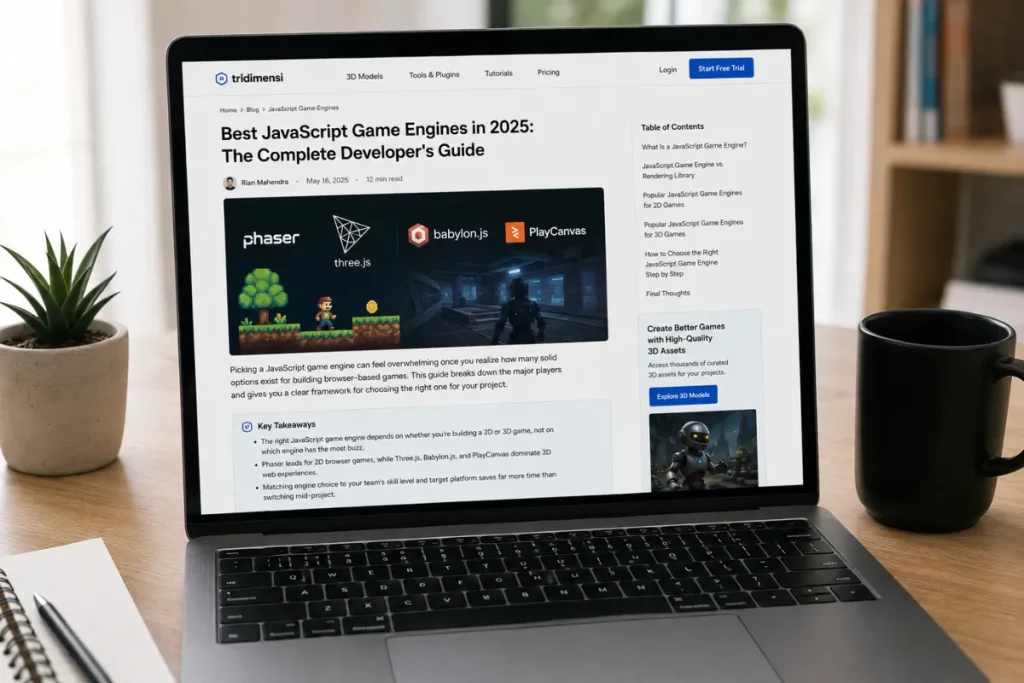
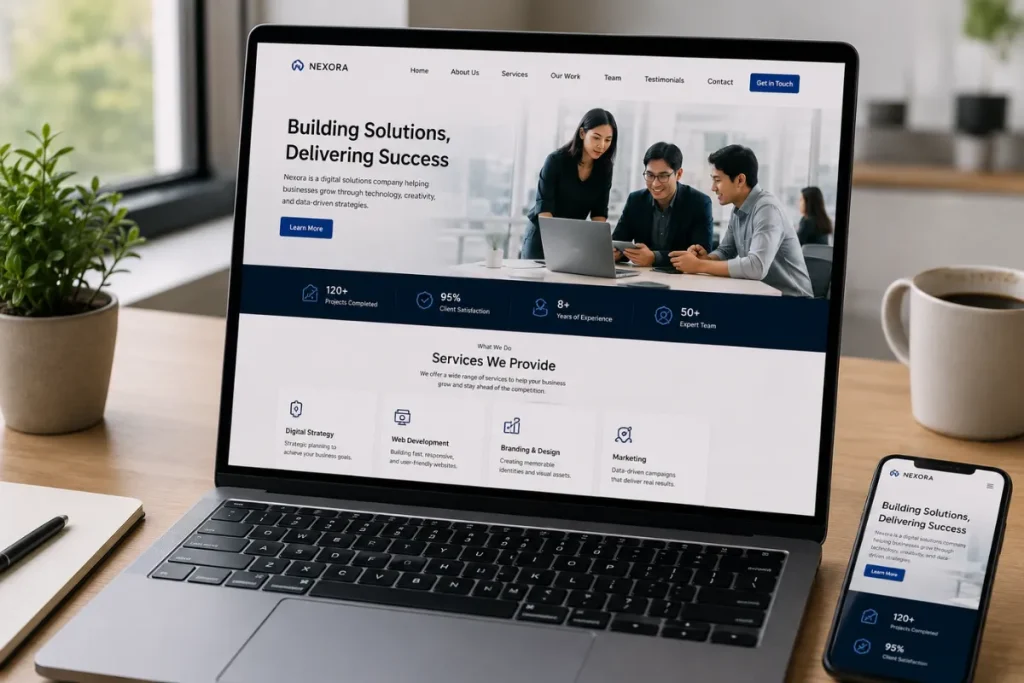
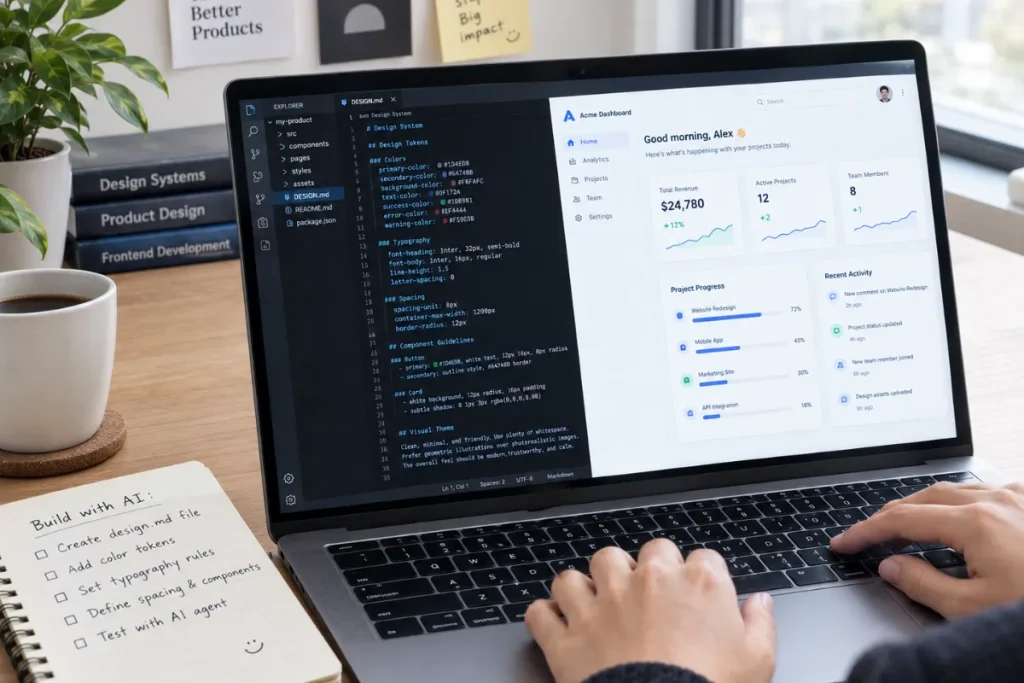
A laptop displayed company profile websites.
A company profile website is an official site built to represent a business’s identity, credibility, and offerings in one central place. Unlike a landing page built for a single campaign, it exists long-term and covers everything from company history to contact details.
Visitors typically land here to answer specific questions: What does this company actually do? Can I trust them? How do I get in touch?
This is different from a marketing landing page, which usually prompts a specific action, such as signing up for a webinar or claiming a discount. A company profile website plays a broader, more permanent role in a brand’s digital presence.
Because it serves so many different visitors at once, from potential clients to job applicants, a company profile website design needs a structure flexible enough to answer several questions without feeling cluttered. That balance between depth and simplicity is usually what separates a site that feels professional from one that feels like a work in progress.
Essential Pages Every Company Profile Website Needs
A laptop displayed company profile websites.
Every strong company profile website shares a similar backbone, even if the specific content varies by industry.
These are the pages visitors expect to find without having to search for them.
Home page: A clear headline explaining what the company does, paired with a strong visual and a primary call to action.
About Us page: Company history, mission, values, and a short introduction to leadership or founders.
Services or Products page: A breakdown of what the business offers, ideally organized by category or use case.
Team or Portfolio page: Either staff profiles for service-based businesses or completed project examples for agencies and studios.
Testimonials or Case Studies page: Social proof from real clients, ideally with specific results rather than vague praise.
Contact page: Multiple contact methods, a physical address if applicable, and a simple inquiry form.
These pages don’t need to be complex to work well; they need to be complete and easy to find. Missing even one, especially the Contact or About Us page, tends to raise doubts for visitors who are still deciding whether to trust the business.
Key Features That Make a Company Profile Website Effective
A laptop displayed company profile websites.
Having the right pages is only half the job; how those pages perform and feel matters just as much.
These features consistently separate strong company profile websites from forgettable ones.
Fast loading speed: Visitors abandon slow sites within seconds, especially on mobile connections.
Mobile-responsive layout: A significant share of business research now occurs on mobile devices, so the site must adapt cleanly to smaller screens.
Clear calls to action: Every major page should guide visitors toward a next step, whether that’s contacting sales or downloading a brochure.
Consistent branding: Colors, typography, and imagery should feel identical across every page, not just the homepage.
High-quality visuals: Generic stock photos or outdated graphics quietly undermine credibility, even when the written content is strong.
Basic SEO structure: Clean URLs, proper headings, and descriptive page titles help the site actually get found in search results.
None of these features work well in isolation. A fast site with weak visuals still feels unpolished, just as strong branding on a slow-loading page still frustrates visitors before they read a single word.
Types of Company Profile Websites, With Examples
A laptop displaying company profile website examples.
Not every company profile website follows the exact same formula, since business type shapes what visitors actually need to see.
Understanding these differences helps clarify what your own site should prioritize.
Corporate and enterprise websites tend to emphasize scale, leadership credibility, and investor-facing information alongside standard service pages. These sites often include dedicated sections for careers, press coverage, and corporate governance.
Creative agencies and studios usually lead with a strong portfolio, letting finished work speak louder than lengthy descriptions. Case studies with visuals and measurable outcomes typically outperform plain text summaries here.
Tech startups often prioritize a clean, modern homepage with a concise product explanation above the fold. Because trust is still being built, these sites lean heavily on testimonials, integration logos, and clear pricing or demo requests.
Manufacturing and B2B companies tend to focus on certifications, technical specifications, and detailed service pages aimed at procurement decision-makers. Photography of facilities or processes often plays a bigger role in building trust here than flashy design.
Nonprofits and public-facing organizations typically shift the homepage focus toward mission and impact rather than product benefits. Donation calls to action, volunteer sign-ups, and transparent reporting pages usually take priority over the sales-driven sections found on commercial sites.
Recognizing which category your business falls into makes it much easier to decide what content deserves priority on the homepage. Trying to copy a structure built for a different industry often results in a site that feels slightly mismatched, even if every individual page looks polished.
How to Build a Company ProfileWebsite Step by Step
A laptop displaying company profile websites step by step.
If you’re starting from scratch, following a clear sequence keeps the project from stalling halfway through. Use this order as a practical roadmap.
Define your primary audience. Decide whether the site mainly targets clients, investors, job seekers, or a mix of all three.
Map out your page structure. List the essential pages first, then add supporting pages, such as FAQs or blog content.
Gather brand assets early. Collect your logo, color palette, typography, and any existing photography before design work begins.
Draft content before final design. Writing headlines and page copy first prevents layouts from being built around empty placeholder text.
Choose visuals that match your brand tone. Replace generic stock imagery with curated photography, illustrations, or 3D visuals wherever possible.
Test on multiple devices. Check load times and layout behavior on both desktop and mobile before launch.
Review and publish. Proofread every page, verify that all contact forms work correctly, and confirm that links point to the correct destinations.
Final Thoughts
A well-structured company profile website does more than list services; it builds the first layer of trust before a single conversation happens. Getting the essential pages, features, and visual quality right is what separates a site that converts from one that quietly gets ignored.
If your current site is relying on generic stock photos or flat visuals to fill its pages, it may be time for an upgrade. Explore Tridimensi’s Unlimited Access for thousands of curated 3D assets with flexible plans and commercial usage rights, so every page of your company profile website looks as credible as the business behind it.