SPECIAL OFFER ✦ BUY 2 GET 1 FREE! ✦ ADD 3 PRODUCTS TO YOUR CART, AND THE DISCOUNT APPLIES AUTOMATICALLY!
SPECIAL OFFER ✦ BUY 2 GET 1 FREE! ✦ ADD 3 PRODUCTS TO YOUR CART, AND THE DISCOUNT APPLIES AUTOMATICALLY!
SPECIAL OFFER ✦ BUY 2 GET 1 FREE! ✦ ADD 3 PRODUCTS TO YOUR CART, AND THE DISCOUNT APPLIES AUTOMATICALLY!
SPECIAL OFFER ✦ BUY 2 GET 1 FREE! ✦ ADD 3 PRODUCTS TO YOUR CART, AND THE DISCOUNT APPLIES AUTOMATICALLY!
At first glance, the world of visual design may seem simple, until you explore 2D, 2.5D, 3D art examples and realize how differently each style shapes perception. Every dimension tells a different story. The 2D offers clarity and speed, 2.5D adds engaging depth, and 3D delivers immersive realism that captures attention. Therefore, choosing the right visual dimension can elevate how your brand is seen and remembered. Keep reading to compare them all!
Key Takeaways
2D art is flat and cost-effective, ideal for branding, social media, and UI design.
2.5D art blends 2D visuals with layered depth, perfect for web, marketing, and stylized games.
3D art delivers immersive realism and flexibility, best for product rendering, gaming, and architecture.
What Is 2.5D vs 2D vs 3D?
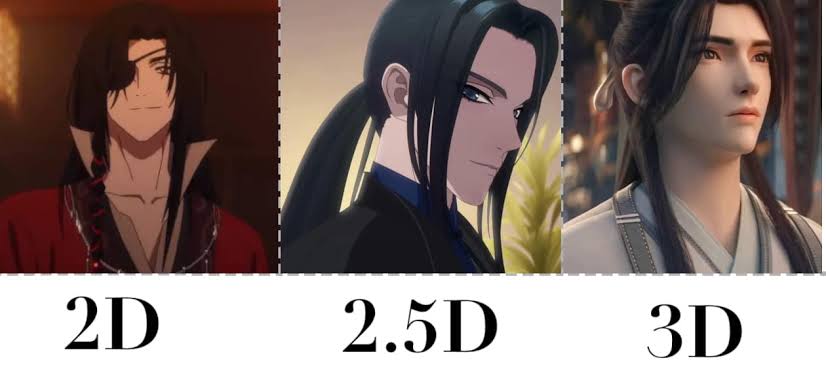
2D, 2.5D, and 3D Art Differences | Source: Facebook – Julian Yang Cardenas
Before exploring specific 2D, 2.5D, 3D art examples, it’s important to understand how these three visual approaches differ fundamentally. Here’s the explanation!
1. 2D Art
2D art refers to flat artwork that has only height and width. It does not contain a real depth dimension, meaning objects do not physically exist in spatial volume.
In 2D design, depth is suggested only through visual tricks like shading, scaling, or overlapping elements. However, everything ultimately lives on a flat plane. This simplicity is what makes 2D highly versatile and efficient.
Pros
Cost-effective production process.
Faster turnaround time.
Strong visual consistency for branding.
Cons
Limited realism.
Less immersive experience.
Best Use Cases
Corporate branding systems.
Social media graphics.
Editorial and print design.
Mobile UI design.
2. 2.5D Art
When comparing 2D, 2.5D, 3D art examples, 2.5D art sits in the middle. It is a hybrid approach that creates the illusion of depth using layering, perspective, lighting, and parallax effects.
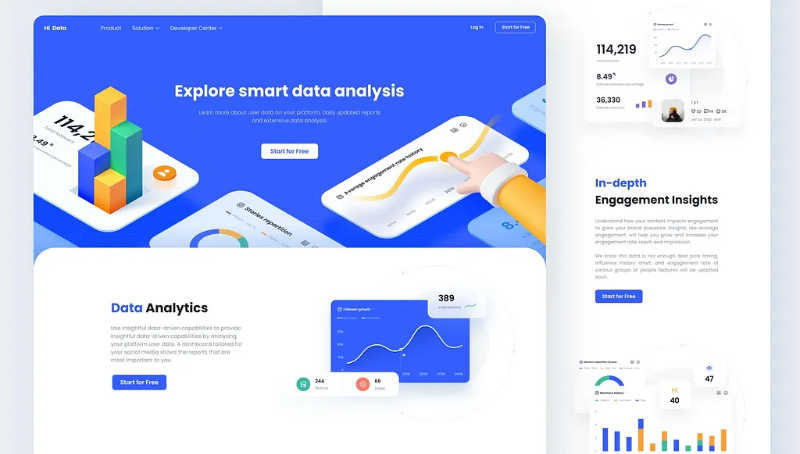
Unlike full 3D, 2.5D does not always require modeling objects in true volumetric space. Instead, designers stack 2D elements in layers and manipulate them in pseudo-3D space. This technique is common in isometric illustrations, side-scrolling games, and parallax website animations.
Pros
More dynamic than 2D.
Less complex than full 3D production.
Balanced combination of style and depth.
Cons
Not fully realistic.
Limited camera flexibility compared to 3D.
Best Use Cases
Web design hero sections.
Stylized game environments.
Explainer visuals.
Digital marketing campaigns.
3. 3D Art
3D art consists of objects with height, width, and depth. These objects exist in a virtual space and can rotate or be viewed from multiple angles.
Unlike 2D or 2.5D, 3D modeling involves geometry, textures, lighting systems, and rendering engines. This allows creators to simulate real-world materials, shadows, and environmental effects with high precision.
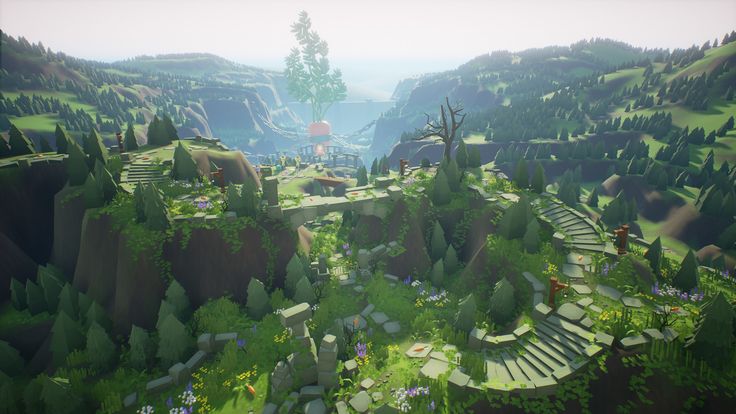
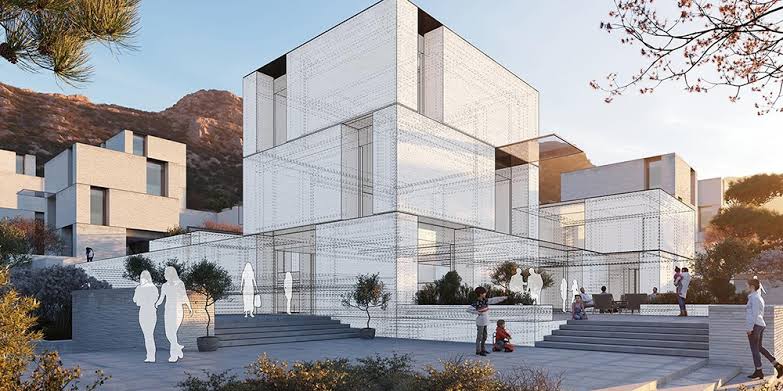
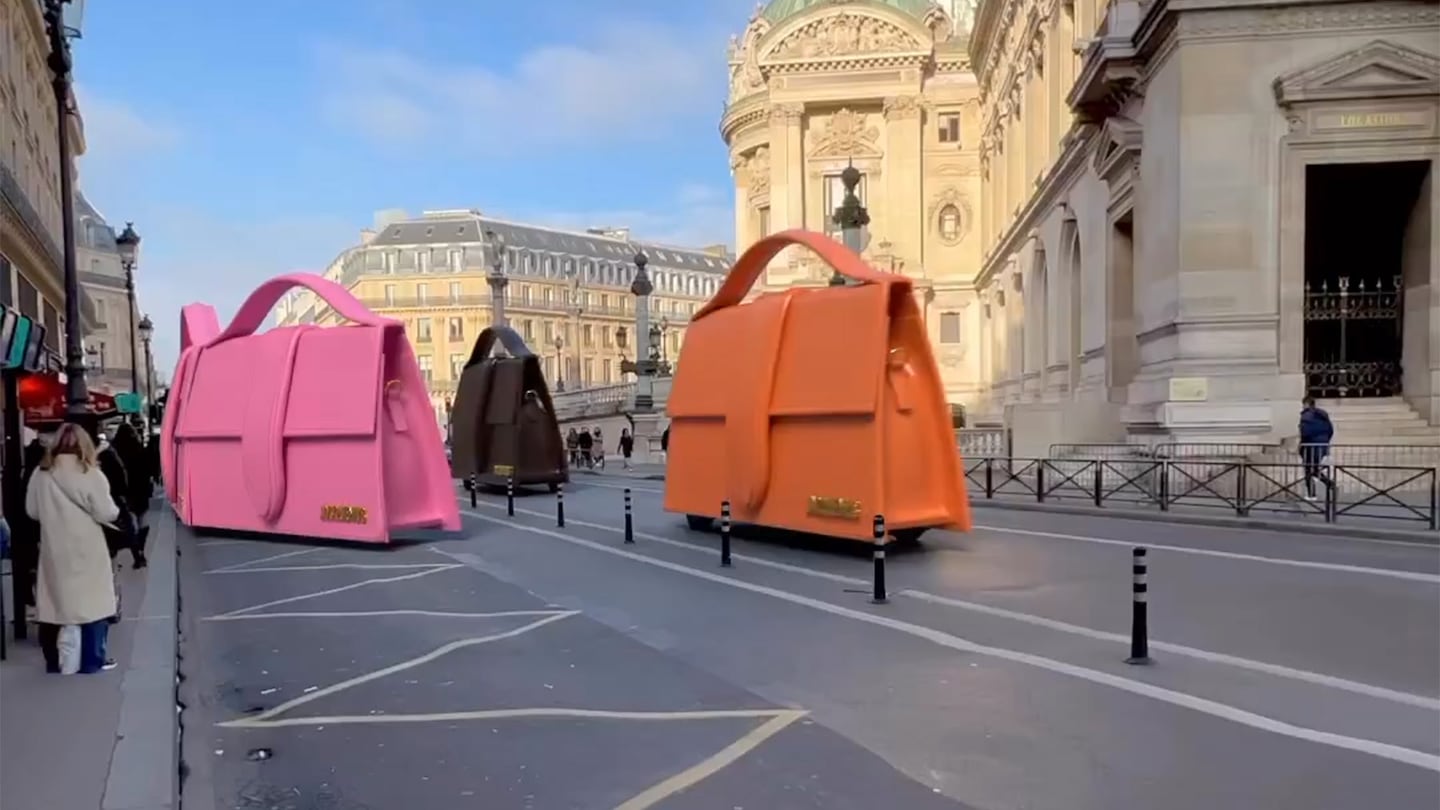
To better understand the distinction of the 2D, 2.5D, 3D art examples, look at real-world implementations below. Each style appears across industries in different ways, depending on purpose and platform.
How to Choose Between 2D, 2.5D, and 3D Art for Your Project
Selecting the right dimension of the 2D, 2.5D, 3D art examples is not just an artistic decision but a strategic one. Here’s what you can consider.
1. Your Budget
2D projects generally cost less and move faster. 2.5D sits in the middle, while 3D requires more investment in time, tools, and talent.
2. Your Audience
If your audience values realism, like product consumers or architecture clients, 3D is essential. For example, 3Devision reports that Wayfair saw a 20% boost in conversion rates after implementing 3D visualization.
Conversely, for fast-moving social media, 2D or 2.5D performs better by prioritizing speed and instant communication.
2. Your Industry
Game development and product visualization often demand 3D assets. Meanwhile, editorial publishing and corporate branding may thrive with 2D design.
4. Your Branding Goals
If your brand aims to appear cutting-edge and immersive, 3D visuals can elevate perception. However, if clarity and accessibility are priorities, 2D or 2.5D might be more aligned.
Start Designing Inspired by 2D, 2.5D, and 3D Art Examples
By knowing great 2D, 2.5D, 3D art examples, you know the foundation of professional, immersive designs. Even so, the best ideas still need high-quality assets to come to life efficiently. Having a structured, ready-to-use library doesn’t just improve your visual quality. It will also dramatically speed up your entire workflow.
Instead of dealing with endless subscriptions, Tridimensi offers a versatile 3D collection via a one-time $99 lifetime deal. This gives you unlimited downloads and a commercial license forever with no renewal or hidden fees. It’s a one-and-done investment for anyone who needs to stay consistent without the extra overhead.