SPECIAL OFFER ✦ BUY 2 GET 1 FREE! ✦ ADD 3 PRODUCTS TO YOUR CART, AND THE DISCOUNT APPLIES AUTOMATICALLY!
SPECIAL OFFER ✦ BUY 2 GET 1 FREE! ✦ ADD 3 PRODUCTS TO YOUR CART, AND THE DISCOUNT APPLIES AUTOMATICALLY!
SPECIAL OFFER ✦ BUY 2 GET 1 FREE! ✦ ADD 3 PRODUCTS TO YOUR CART, AND THE DISCOUNT APPLIES AUTOMATICALLY!
SPECIAL OFFER ✦ BUY 2 GET 1 FREE! ✦ ADD 3 PRODUCTS TO YOUR CART, AND THE DISCOUNT APPLIES AUTOMATICALLY!
Animation has evolved far beyond flat drawings and simple frames. Today, 3D animation styles bring incredible depth, texture, and interactivity to storytelling across games, films, and digital media. Gaining a deeper understanding of 3D animation styles can provide insight into how digital worlds are created and brought to life.
Key Takeaways:
3D animation ranges from hyper-realistic CGI to playful, stylized visuals, each serving different creative goals.
Techniques, such as cel shading, motion capture, and procedural animation, offer unique solutions for storytelling and production.
The evolution of 3D animation is closely tied to technological advances in rendering, simulation, and real-time engines.
Top 10 Types of 3D Animation Styles
What follows is a closer look at the major styles driving modern 3D animation. These techniques reflect both artistic choices and technological advancements across various industries.
1. Cel Shading (Toon Shading)
Cel Shading on Unreal (Source: Kodeco)
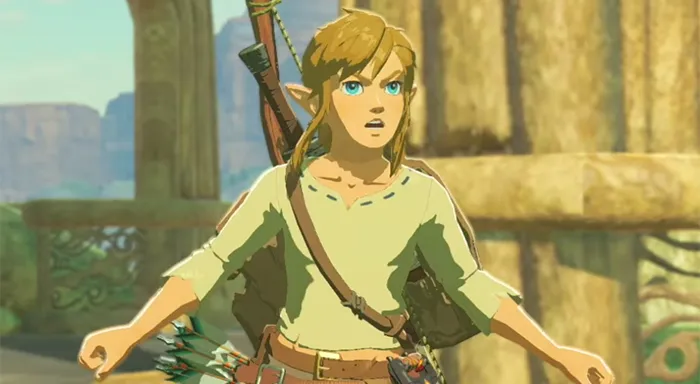
Cel Shading mimics 2d hand-drawn animation by applying monotone shades and thick outlines to 3D models. It creates a comic or cartoon look that feels both nostalgic and artsy.
Popular in The Legend of Zelda: Wind Waker, Borderlands, and Arcane. This style became popular in the early 2000s with the Jet Set Radio game, and then evolved in Arcane with painterly 3D styles.
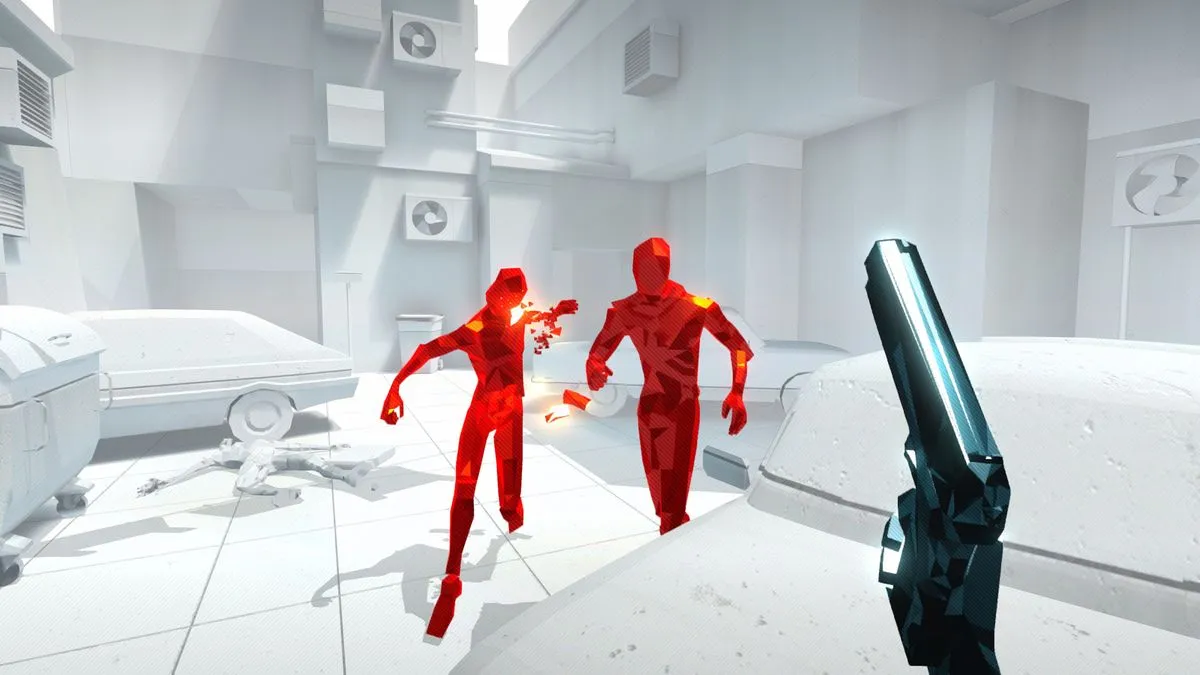
Interactive 3D places users directly inside animated environments, letting them explore or engage in real time. Usually, VR/AR games like SUPERHOT VR, Flight simulators, or architectural sims use this style.
Interactive 3D originated in the arcade games in the 1980s, and evolved with consoles and PC graphics in the 90s. Now, VR/AR has revived the hype, adding sophistication and realism.
3. Motion Capture (MoCap)
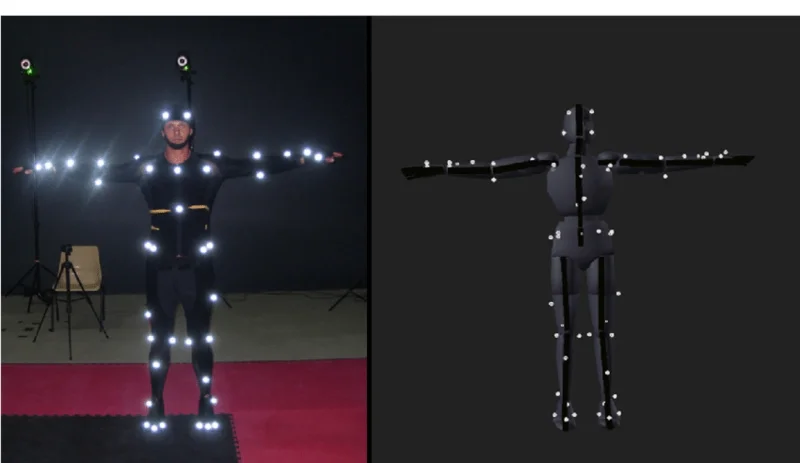
Motion Capture Suit and Render (Source: Animost Studio)
MoCap captures real actors’ movements and maps them into 3d characters, enabling lifelike performance in animation. The Lord of the Rings (Gollum) and The Last of Us use this style to bring emotional depth to characters.
Modern MoCap grew from early 20th-century rotoscoping. Today’s systems use precise tracking for film, games, and even virtual performances, offering more comprehensive 3D animation styles with higher resolution.
4. Photorealistic CGI
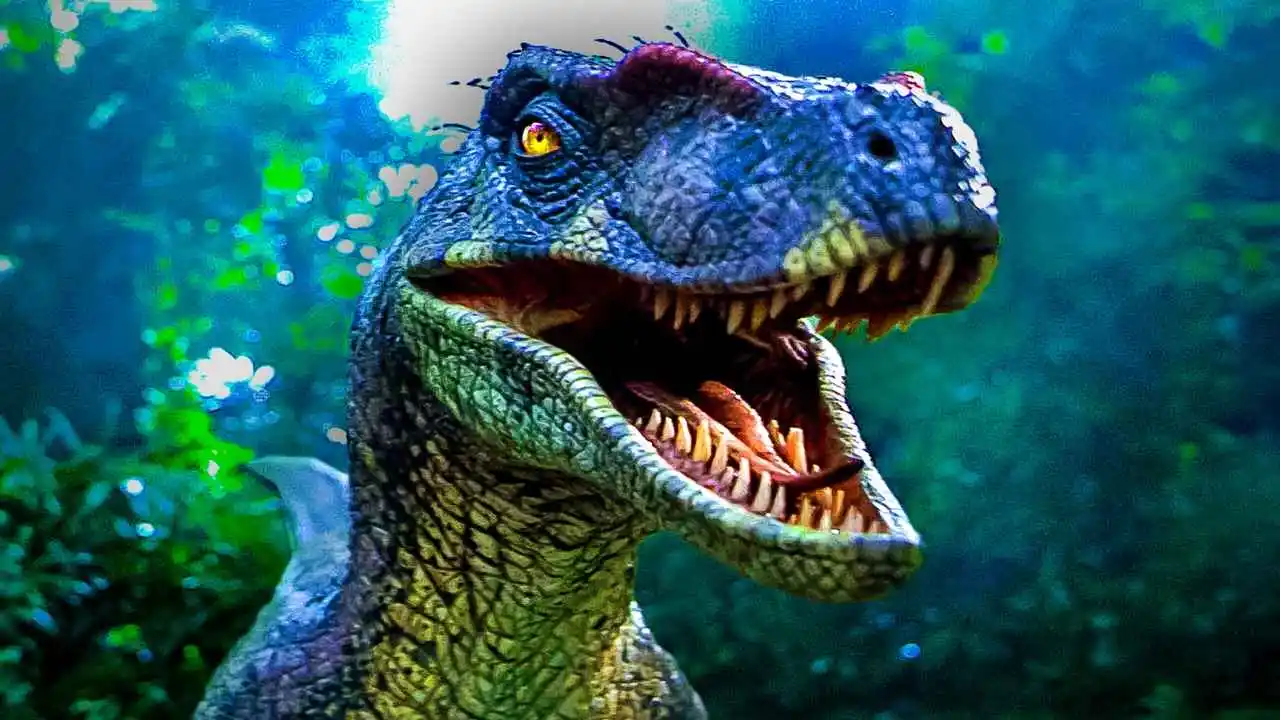
Blue from Jurassic World (Source: TheDirect)
Photorealistic CGI aims for an indistinguishable visual from real life. It’s pretty much the standard in high-budget films and visual effects. Think movies like Avatar, Jurassic Park, and Disney remakes, and it blurs the line between digital and live-action.
After early use in the 70s with Futureworld (1976), it gained momentum with the first Jurassic Park in the 90s. Today’s march toward photorealism continues with advanced rendering and AI.
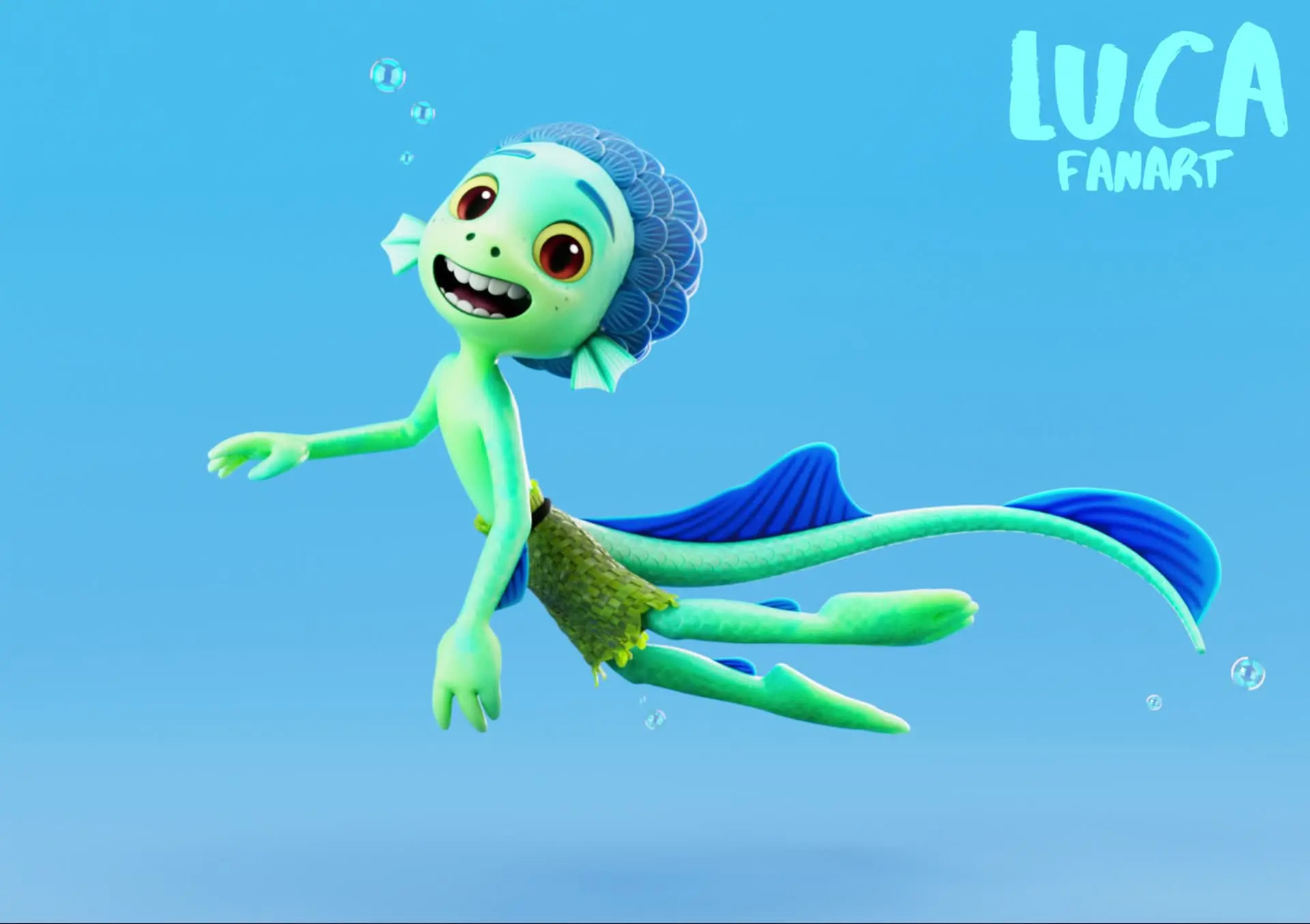
Unique Character from the Movie Luca (Source: ArtStation)
Stylized 3d focuses on creative visual design rather than realism, using exaggerated forms and vivid colors. Especially popular for family-friendly contents that use unique proportions and whimsical or surreal visuals.
Emerging in the 2000s, stylized 3D offered studios a way to stand out affordably. Tools for NPR and shaders now support a wide range of looks. Think movies like Hotel Transylvania Series, Luca, or even mobile games.
6. Real-Time Animation
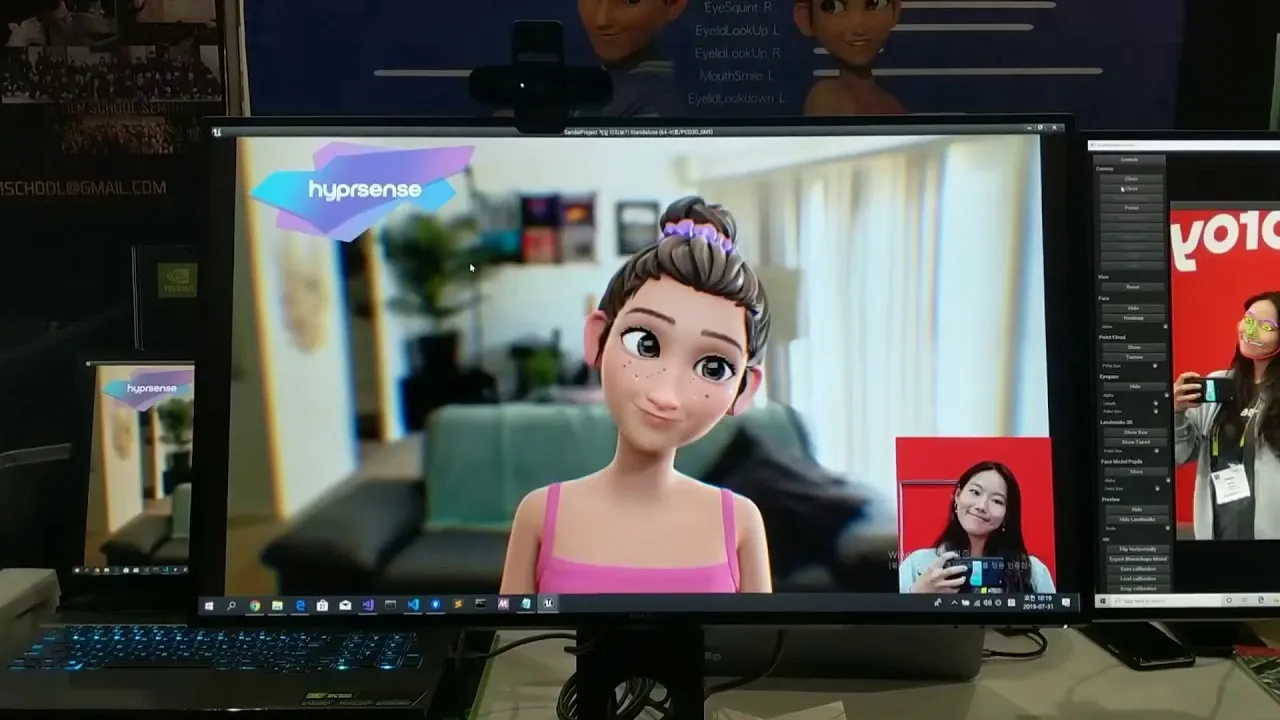
Real-Time 3D Face Tracking (Source: 3Dart)
Among 3D animation styles, this one renders 3D content instantly as users interact, often through engines like Unity or Unreal. Examples in this style are live events, education, VTubers, and game cinematics.
First occurred in parallel with the Interactive 3D style and then gained popularity in the late 2010s. In the 2010s, real-time engines got better, supporting fast-paced media and digital personalities.
7. Stop Motion (3D Puppet Animation)
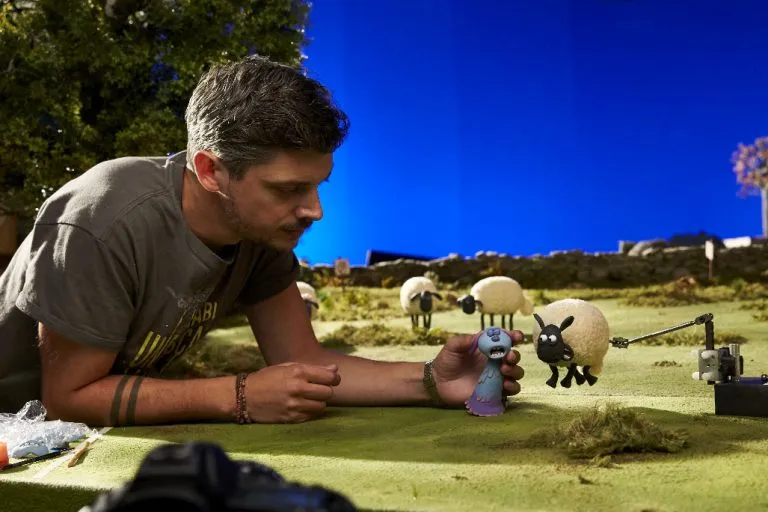
Stop Motion Process of Shaun the Sheep (Source: National Science and Media Museum)
Stop motion uses real-world models and is moved frame-by-frame, often enhanced with digital effects for a sharper 3D look. It’s the iconic style of Shaun the Sheep and The Night Before Christmas. Stop motion dates back to the early 1900s with clayman. Today, digital tools expand their flexibility while keeping their handcrafted essence.
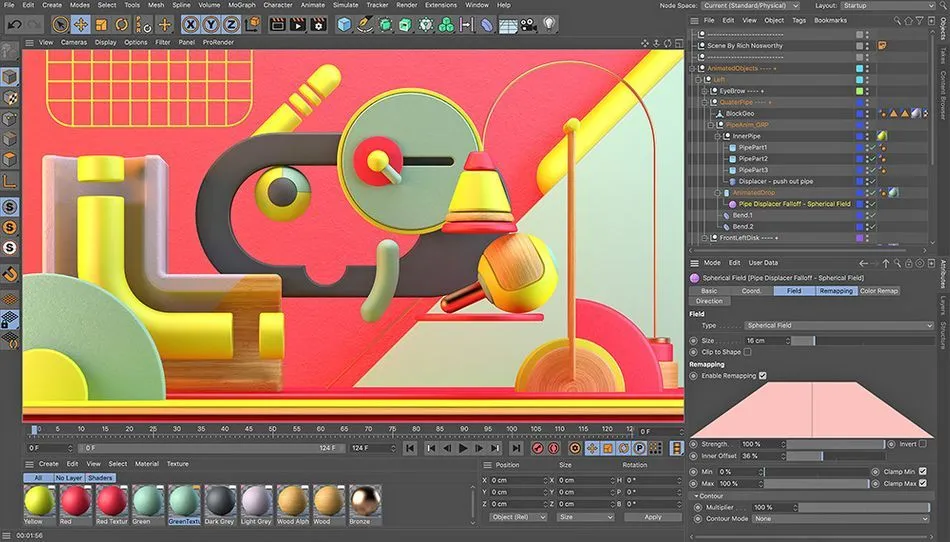
Editing 3D Motion Graphics (Source: School of Motion)
3D motion graphics fall into different types of 3D animation styles. It usually animates text, shapes, and elements to create informative or artistic visuals, often without characters.
Typically, in explainer videos, ads, and TV graphics that convey data or ideas “with flair”. Took off in the early 2000s with tools like Cinema 4D and Adobe After Effects.
9. Physics-Based/Simulated Animation
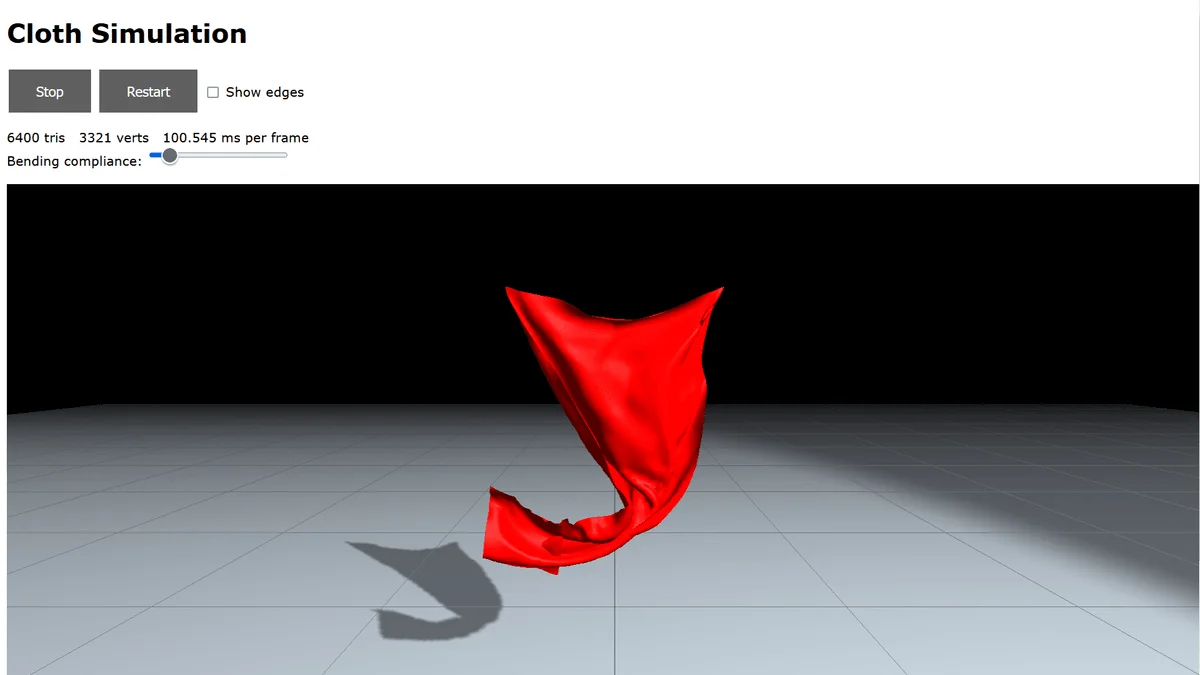
Physic-based Cloth Animation (Source: GIGAZINE)
This technique uses physics simulation to animate natural phenomena like explosions, fluids, or fabric. Physics-based animation became feasible in the late 1990s and is now essential in modern VFX workflows, adding imaginary realism without manual animation. This style merges with action movies, games, or even other animations.
10. Procedural 3D Animation
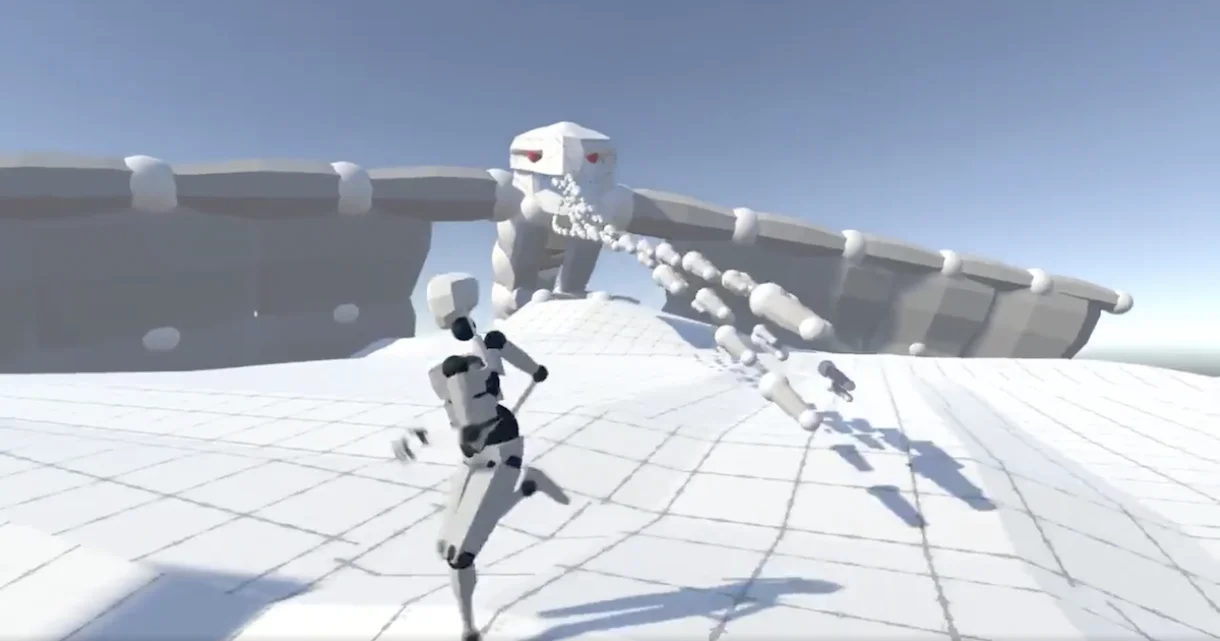
Animating Monster using Procedural Animation (Source: 80 Level)
Procedural animation uses algorithms to control animation, ideal for large crowds or reactive environments. Just like the crowd scene in The Lord of the Rings or procedural movements in real-time strategy games. First developed in the 1990s, and then revolutionized by Massive with how it handles large-scale animation efficiently.
Reimagining Storytelling with Different 3D Animation Styles
What we see on screen is often the result of technical mastery blended with artistic intuition. Each style offers a unique lens for exploring characters, emotions, and environments. Understanding these choices brings us closer to the heart of modern animation.Exploring various 3D animation art styles is just the beginning. To turn your ideas into finished visuals, you need reliable tools and assets. Tridimensi provides professionally crafted 3D resources that fit a wide range of styles. From realistic to comical, we cater to creators working on games, films, or interactive media.