SPECIAL OFFER ✦ BUY 2 GET 1 FREE! ✦ ADD 3 PRODUCTS TO YOUR CART, AND THE DISCOUNT APPLIES AUTOMATICALLY!
SPECIAL OFFER ✦ BUY 2 GET 1 FREE! ✦ ADD 3 PRODUCTS TO YOUR CART, AND THE DISCOUNT APPLIES AUTOMATICALLY!
SPECIAL OFFER ✦ BUY 2 GET 1 FREE! ✦ ADD 3 PRODUCTS TO YOUR CART, AND THE DISCOUNT APPLIES AUTOMATICALLY!
SPECIAL OFFER ✦ BUY 2 GET 1 FREE! ✦ ADD 3 PRODUCTS TO YOUR CART, AND THE DISCOUNT APPLIES AUTOMATICALLY!
3D Design trends are among the most influential visual movements of this era, and 2026 is set to be a defining year for their continued growth. This article examines how advances in technology, evolving audience behavior, and the increasing convergence of digital and physical experiences are shaping the future of 3D design.
Key takeaways:
3D design is becoming more immersive and experiential, blending digital and physical spaces through interactive visuals.
Advances in technology and AI are accelerating 3D workflows, making high-quality modelling, rendering, and animation more accessible.
Brands are using 3D strategically to create emotional impact and deliver more engaging, memorable user experiences across platforms.
8 3D Design Trends that Will Shape 2026
According to Verified Market Research, the global 3D mapping and modelling market was valued at USD 6.17 billion in 2024 and is projected to reach USD 22.31 billion by 2032. This growth indicates the increasing value of 3D design in the future. For this reason, here are the 3D type trend in graphic design you should explore and try.
1. Hyper-Realism 3D Design
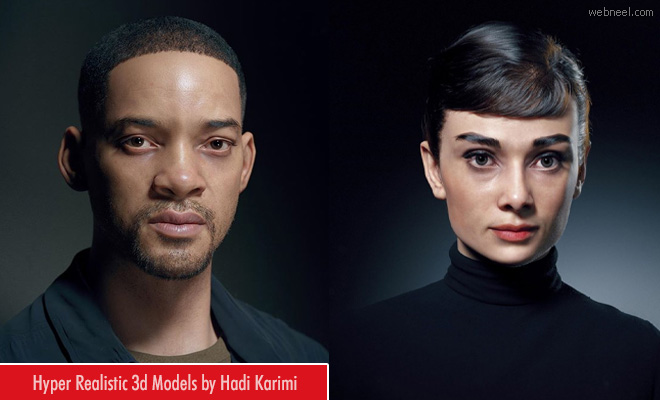
Hyper-realism 3D Human | Image Source: Webneel
The current 3d design trend in the beauty and luxury industry is increasingly moving towards a highly polished, hyper-realistic style. This visual approach helps brands stand out in crowded digital spaces, where photorealistic 3D ads such as realistic food visuals or premium furniture renders capture attention instantly.
Tools like Blender, Octane Render, and Unreal Engine have made professional quality 3D rendering more accessible than ever. Hyper realistic 3D also integrates seamlessly with AR and VR technologies, supporting virtual try ons and immersive online shopping environments.
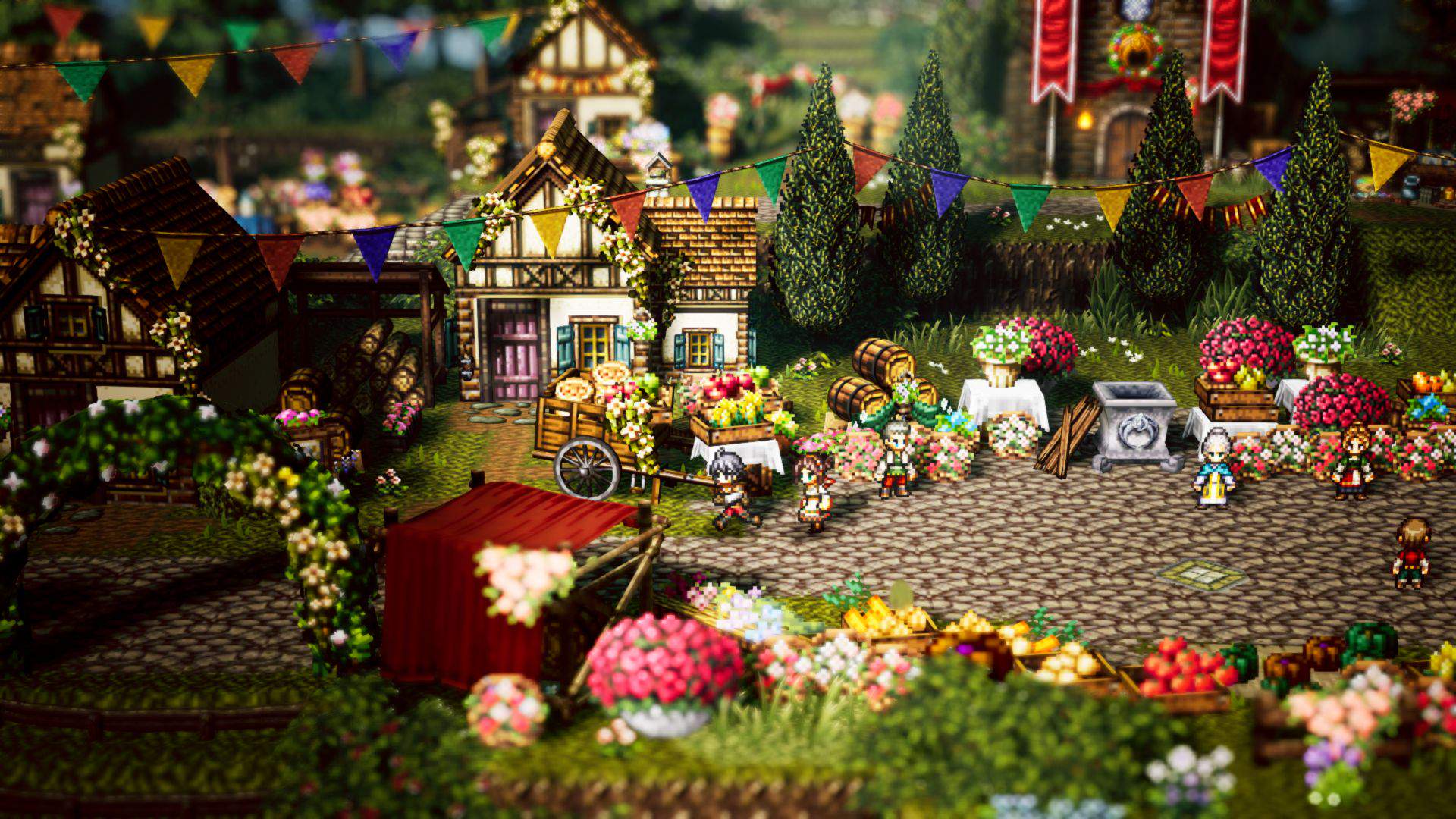
This stripped-back approach has renewed interest in low-poly 3D, driven partly by nostalgia and growing fatigue with AI-generated imagery. Lo-fi and low-poly renders have natural quirks that are tricky to fake, giving the work a more personal and less engineered feel.
This style appears frequently in animation and video games as seen in titles like Octopath Traveller, Dave the Diver, and For the King. You can adopt this look by working with simple geometry, low-resolution textures, flattened lighting, and subtle post-processing effects such as dithering or VHS-style distortion.
3. Hybrid 2D-3D Illustration
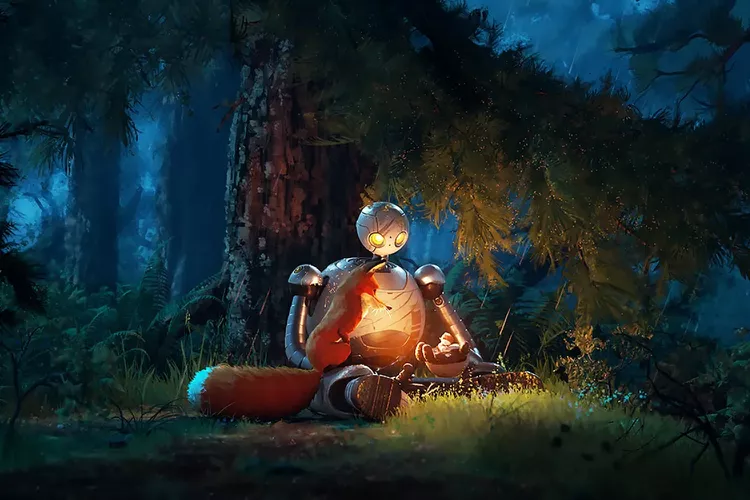
The Wild Robot | Image Source: People
Hybrid illustration blends 2D and 3D techniques to create a unique visual style. This method often results in expressive character designs, 3D assets styled to resemble 2D artwork, or a mix of both within the same frame.
As competition increases, more artists are turning to this approach to elevate their work. Studios behind projects like Nimona and The Wild Robot are already merging 2D digital art with 3D animation pipelines.
4. Immersive 3D Experience
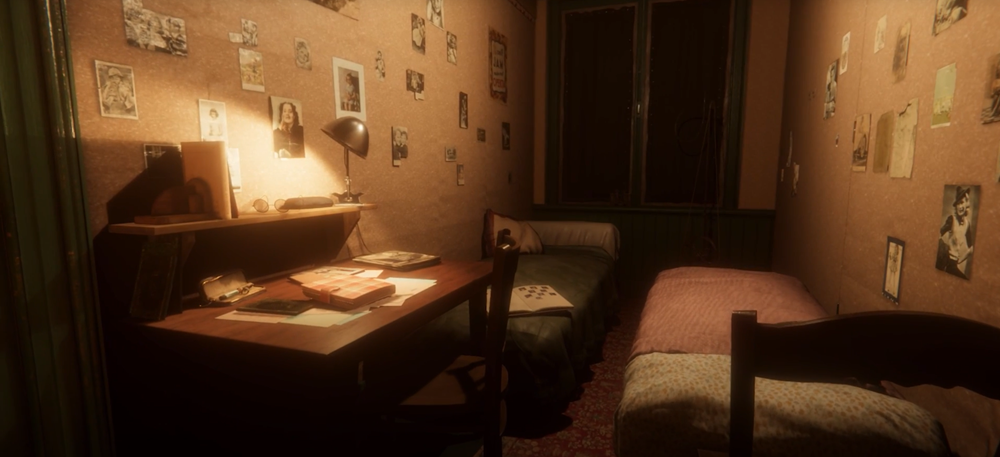
Anna Frank House | Image Source: YouTube
Immersive and 3d design graphic design trendsare interactive three dimensional visuals integrated into websites to create depth, realism, and stronger user engagement. They range from 360 degree video to interactive simulations, psychologically transporting users.
Unlike traditional 2D graphics, these elements use advanced technologies such as WebGL, Three.js, and CSS 3D. For example, Anne Frank House VR app that shows the hiding place of Anne Frank and her family during World War II. This immersive experience offers an intimate look into the Secret Annex.
5. 3D Design Billboard
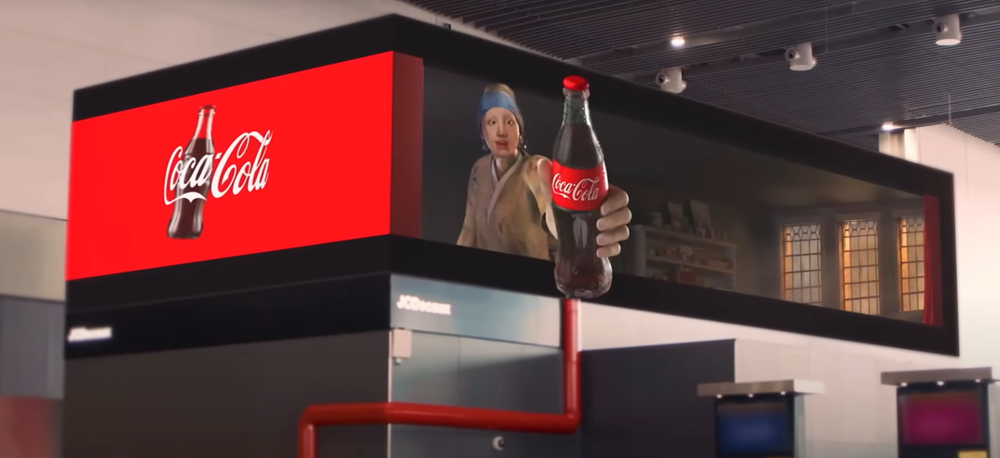
Coca-cola Ads | Image Source: YouTube
A 3D design billboard is an advanced form of outdoor advertising. It uses high-resolution LED screens and techniques such as anamorphosis, to create optical illusions. These effects make flat visuals appear to extend into the real world, delivering an immersive experience.
For example, as part of the brand’s wider Masterpiece campaign, Coca-Cola transformed iconic Girl with a Pearl Earring artwork into interactive digital posters. The billboard showed a Coke bottle appearing to pass out of the artwork and into the hands of surprised passersby at Guarulhos Airport in São Paulo.
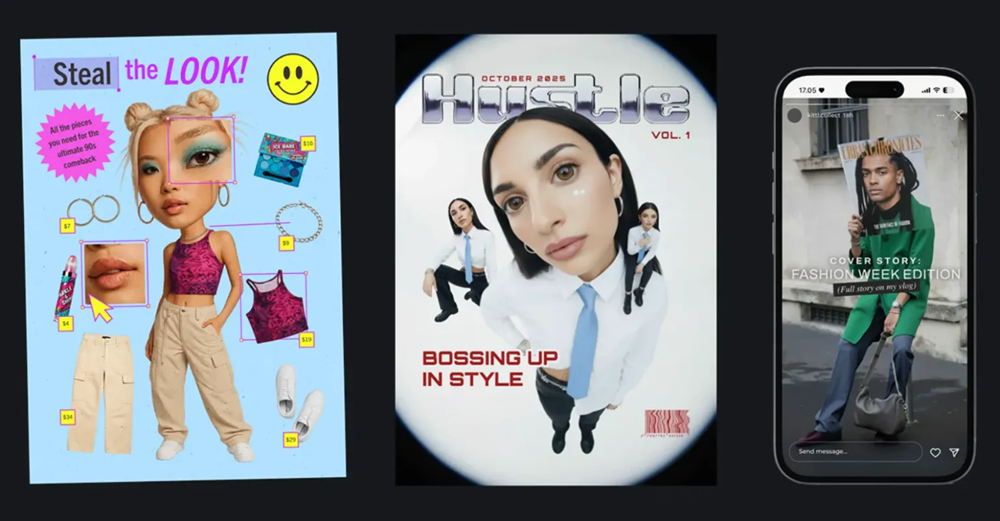
Distorted portrait design is gaining traction because it feels expressive, human, and subversive qualities. It stands out in an era of visual overload and algorithm driven sameness. As AR filters and VR avatars continue to grow, designers are experimenting with distortion to create surreal, immersive, and interactive portraits.
7. AI-Generated 3D Content
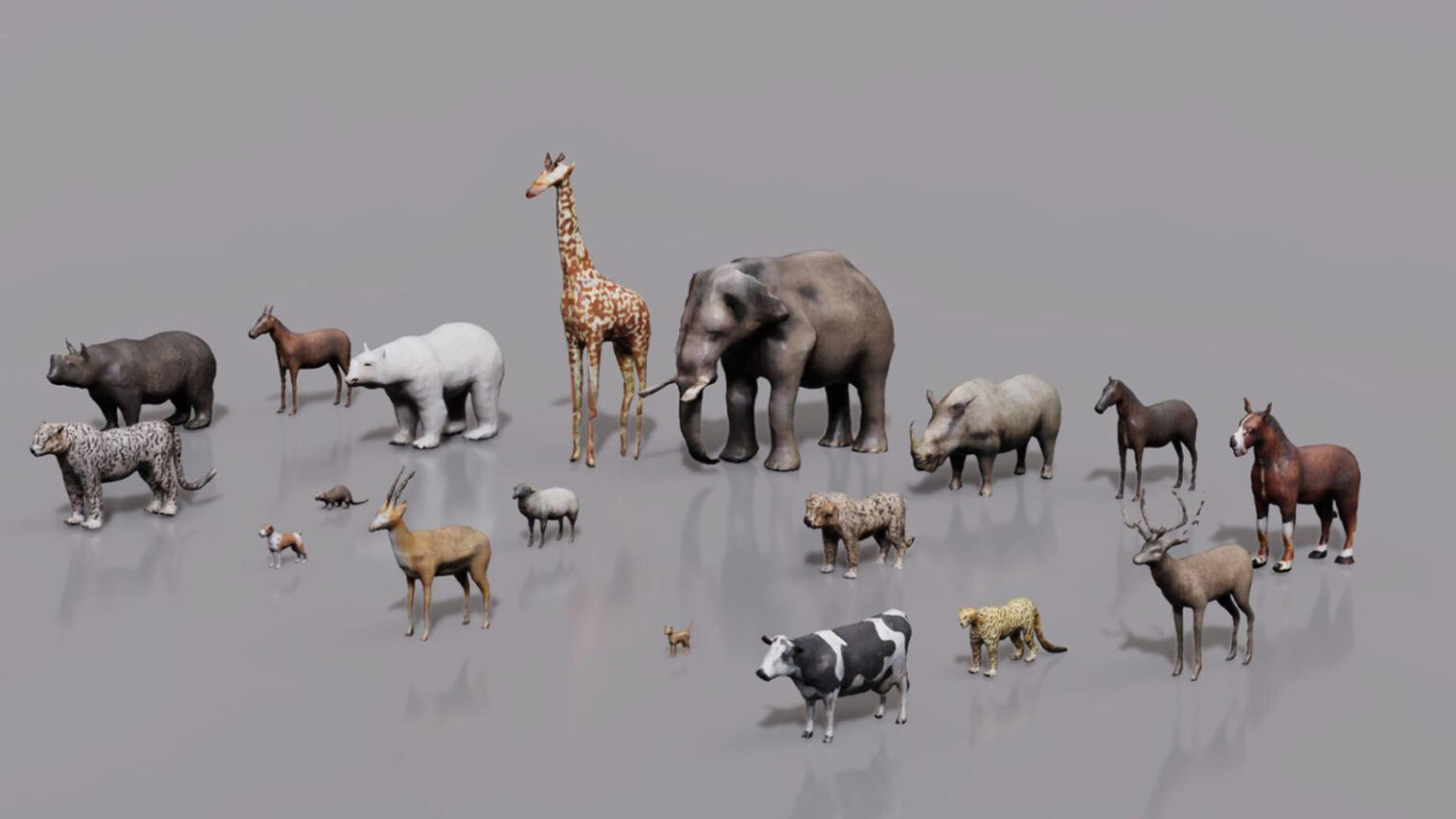
AI Generated Image | Image Source: NVIDIA
With tools like Meshy AI and Tripo 3D AI, AI-powered 3D content creation is already gaining strong momentum. Many artists now use AI as a starting point rather than a finished solution. AI can be used particularly for background assets and set dressing.
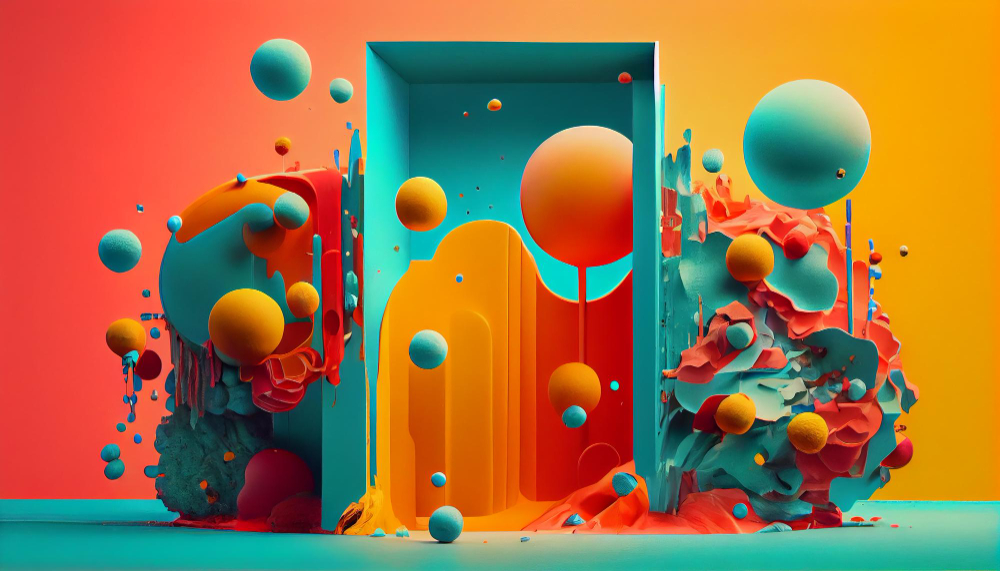
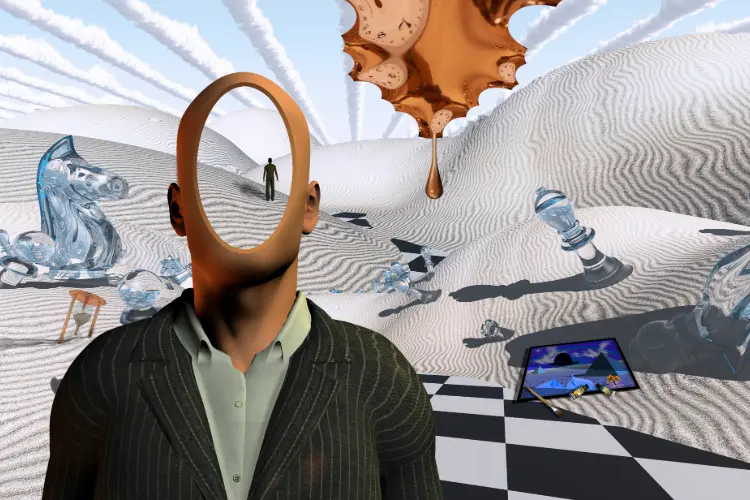
Surrealism allows 3D designers to achieve this by reimagining the familiar and elevating creative concepts through bold visual innovation. One of the main characteristics of 3D surrealism is the juxtaposition of objects from realities to create dreamlike environments.
These trends can be effectively applied in real-world projects through professional 3D design solutions and services. Brands and businesses can rely on some platforms that provide some 3D assets to transform ideas into impactful visuals.
Tridimensi stands out as a creative partner, offering high-quality 3D shapes, backgrounds, and animations. They help you elevate your visual storytelling across branding, advertising, and commercial projects.