SPECIAL OFFER ✦ BUY 2 GET 1 FREE! ✦ ADD 3 PRODUCTS TO YOUR CART, AND THE DISCOUNT APPLIES AUTOMATICALLY!
SPECIAL OFFER ✦ BUY 2 GET 1 FREE! ✦ ADD 3 PRODUCTS TO YOUR CART, AND THE DISCOUNT APPLIES AUTOMATICALLY!
SPECIAL OFFER ✦ BUY 2 GET 1 FREE! ✦ ADD 3 PRODUCTS TO YOUR CART, AND THE DISCOUNT APPLIES AUTOMATICALLY!
SPECIAL OFFER ✦ BUY 2 GET 1 FREE! ✦ ADD 3 PRODUCTS TO YOUR CART, AND THE DISCOUNT APPLIES AUTOMATICALLY!
In the high-stakes world of trade shows, 3D exhibit design is no longer just an aesthetic choice; it is a strategic powerhouse. With 76% of attendees stating that booth design directly influences their decision to visit, the visual impact of your space can make or break your event ROI.
As brands seek ways to outperform traditional marketing channels, immersive storytelling is transforming how we experience physical spaces. Discover how to unlock the full potential of 3D exhibits and captivate your audience through the strategic insights below!
Key Takeaways
3D exhibit design allows precise visualization of layouts, scale, and materials before construction to prevent costly mistakes.
Integrating interactive and experiential features enhances visitor engagement and flow within the exhibit.
Using 3D tools improves collaboration, streamlines workflow, and creates memorable, immersive brand experiences.
What Is 3D Exhibit Design?
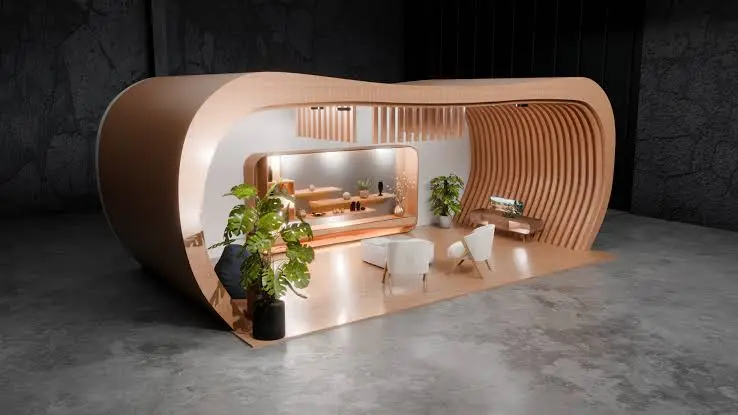
Through precise digital modeling, 3D exhibit design turns exhibition spaces and booths into realistic experiences. Unlike flat 2D plans, these spatial visualizations allow stakeholders to “step inside” the design before construction begins by capturing scale, lighting, and textures with absolute precision.
Beyond visualization, 3D design transforms brand identity into an immersive story. Exhibits become dynamic environments where interactive zones and visitor flow can be tested in advance. Consequently, this process transforms abstract ideas into high-performing, executable exhibition experiences.
To create a truly cohesive and immersive space, you must master the key element 3D exhibit design during the process, as follows!
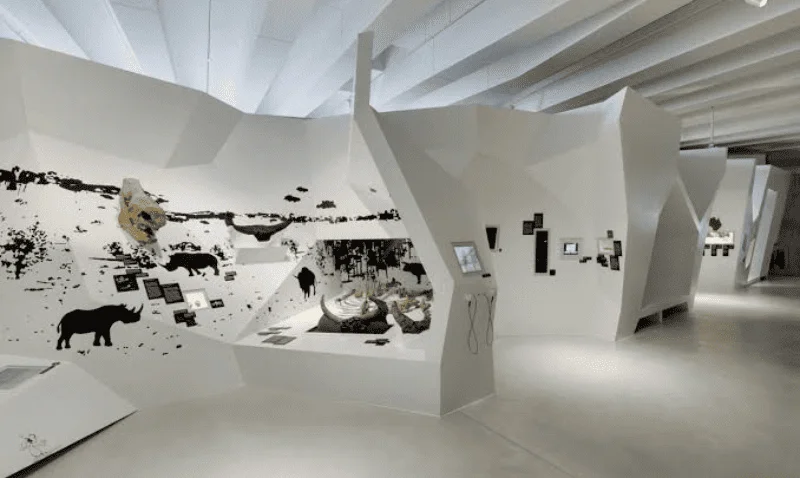
1. Layout & Space Planning
Good design starts with a deep understanding of how people move. 3D models allow you to predict foot traffic and test different floor plans virtually. This is crucial because it helps you spot potential “bottlenecks” early on, which means your visitors will enjoy a much smoother experience on the day of the event.
2. Scale & Proportion
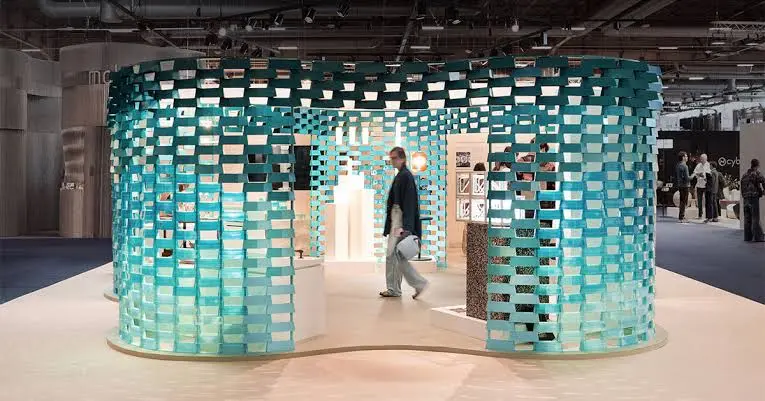
An object might look great on a small screen but feel completely overwhelming in a real room. 3D visualization helps you balance the size of your displays with the actual human scale. When you get the proportions right, the exhibit feels welcoming and harmonious rather than cramped or intimidating.
3. Material & Surface Selection
The materials you choose impact how people perceive your brand. 3D tools simulate how textures and colors react under different conditions. This allows you to evaluate how a high-gloss finish or a wood texture looks before committing to the purchase, which helps you avoid any clashing materials.
4. Lighting & Atmosphere
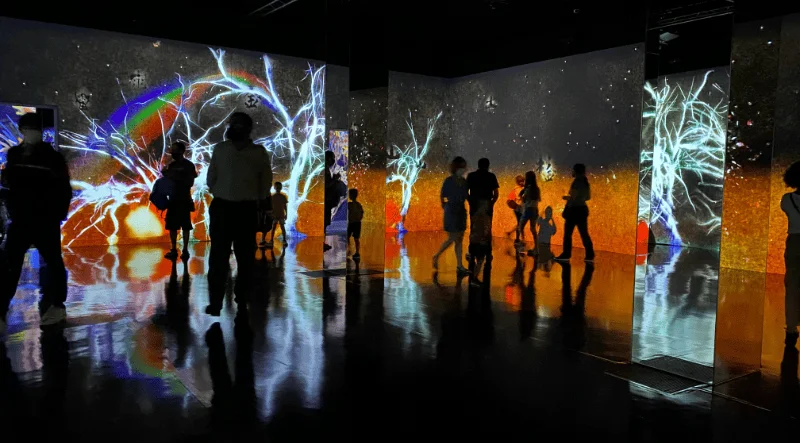
Lighting sets the mood and highlights your most important products. With 3D tools, you can simulate light sources to see how they interact with your surfaces. This means you can perfect the ambiance during the design phase, so you won’t have to waste time moving lights around during the actual setup.
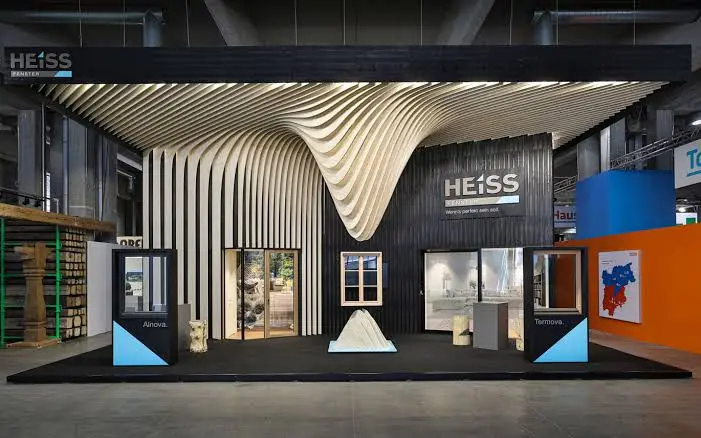
5. Branding Integration
Your brand should be part of the architecture, not just a logo placed on a wall. 3D design helps you position graphics and signage so that they blend seamlessly into the environment. When branding is integrated correctly, it leaves a lasting impression without feeling forced.
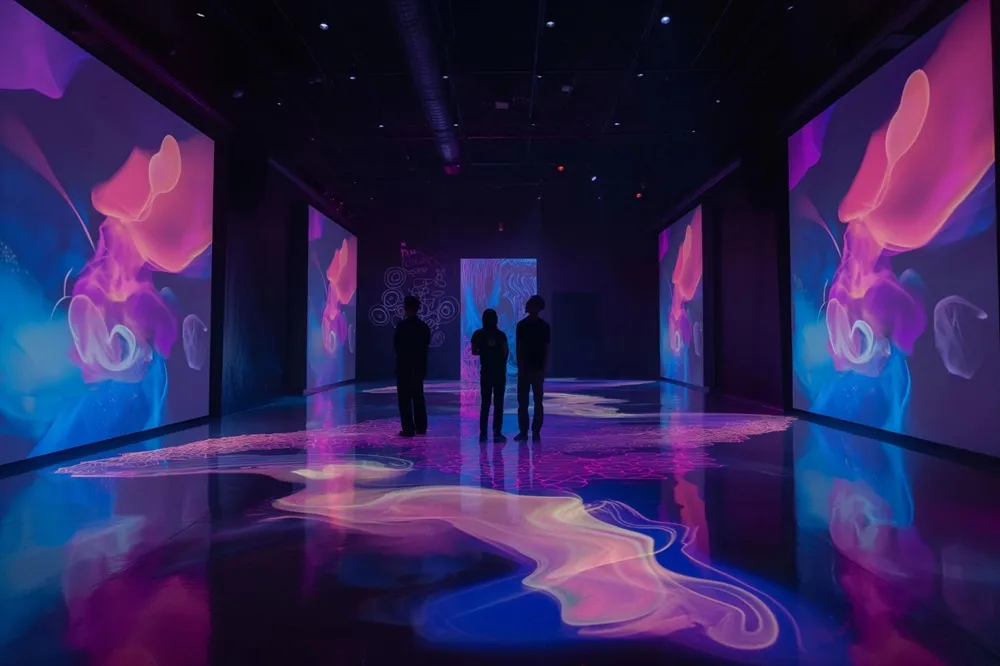
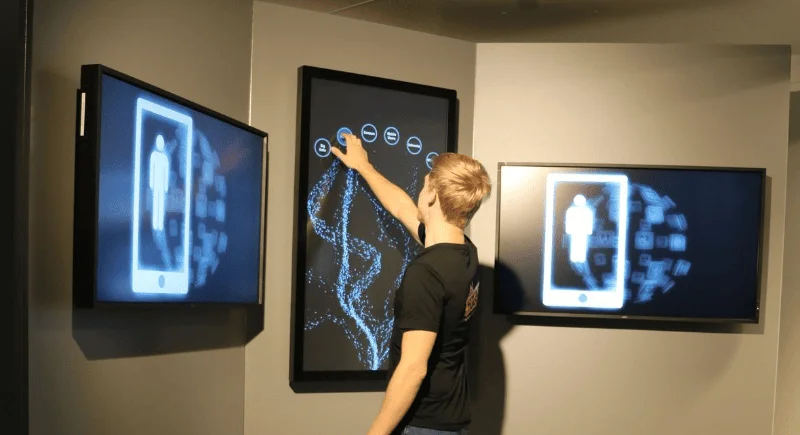
6. Interactive & Experiential Features
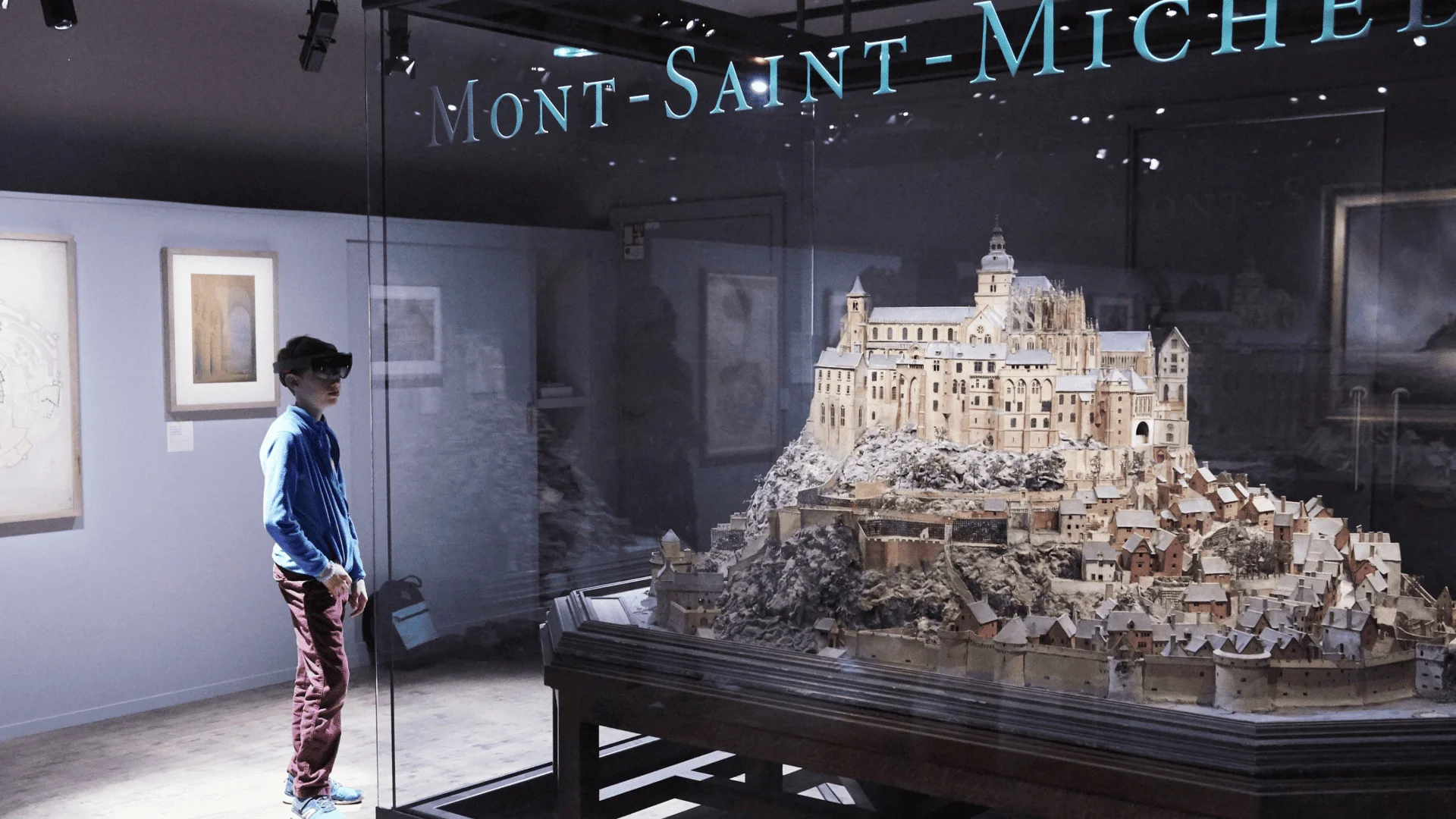
Interactive elements like AR stations or motion displays are great for engagement, but they need to be placed carefully. 3D visualization allows you to test the placement of these features and determine the required space before construction. This means you can keep visitors active and entertained without blocking the paths for everyone else.
Enhance Engagement and Impact with 3D Exhibit Design!
Mastering 3D exhibit design enhances precision and creates memorable experiences for exhibitions and brand installations. By visualizing layouts, lighting, and interactions digitally, every detail can be perfected before production. Moreover, using premium 3D visual assets accelerates workflow and ensures professional-quality presentations.
Fortunately, Tridimensi provides versatile 3D elements and animations compatible with leading design tools. This makes it easier to implement designs efficiently while maintaining visual impact. Therefore, to elevate your exhibits and showcase concepts effectively, explore our website today!