SPECIAL OFFER ✦ BUY 2 GET 1 FREE! ✦ ADD 3 PRODUCTS TO YOUR CART, AND THE DISCOUNT APPLIES AUTOMATICALLY!
SPECIAL OFFER ✦ BUY 2 GET 1 FREE! ✦ ADD 3 PRODUCTS TO YOUR CART, AND THE DISCOUNT APPLIES AUTOMATICALLY!
SPECIAL OFFER ✦ BUY 2 GET 1 FREE! ✦ ADD 3 PRODUCTS TO YOUR CART, AND THE DISCOUNT APPLIES AUTOMATICALLY!
SPECIAL OFFER ✦ BUY 2 GET 1 FREE! ✦ ADD 3 PRODUCTS TO YOUR CART, AND THE DISCOUNT APPLIES AUTOMATICALLY!
Creativity and technical skill merge in unexpected ways, especially in this digital era. At the center of this fusion are 3D modeling techniques, the very processes that let designers sculpt creatures, simulate environments, or test mechanical parts. Without them, the visuals and products we rely on daily would remain only ideas.
List of Popular 3D Modeling Techniques
While the concept of 3D modeling may sound straightforward, the process is far from one-size-fits-all. The following different types of 3D modeling techniques allow designers to tailor their approach, balancing precision, speed, and creativity depending on the demands of a project or industry.
1. NURBS Modeling
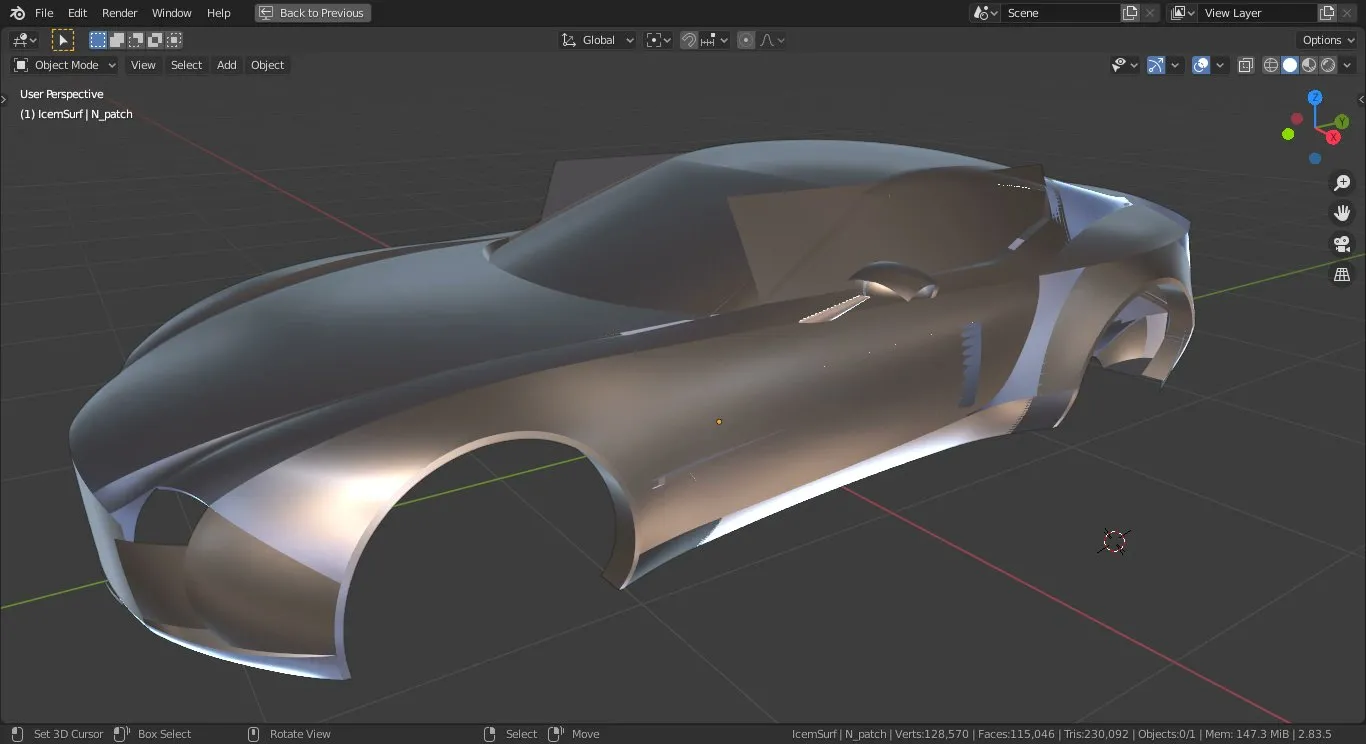
NURBS model (Source: 365 online)
NURBS modeling, or Non-Uniform Rational B-Splines. It uses mathematical equations to generate perfectly smooth and precise surfaces. It’s common in automotive design, for example, shaping the curved panels of a Tesla vehicle.
With lower polygon requirements and parametric flexibility, this method allows designers to make precise changes quickly while maintaining aerodynamic accuracy. This multi-faceted accuracy is known as 3D modeling techniques for designers working in industries where precision and smooth surfaces are critical.
2. Digital Sculpting
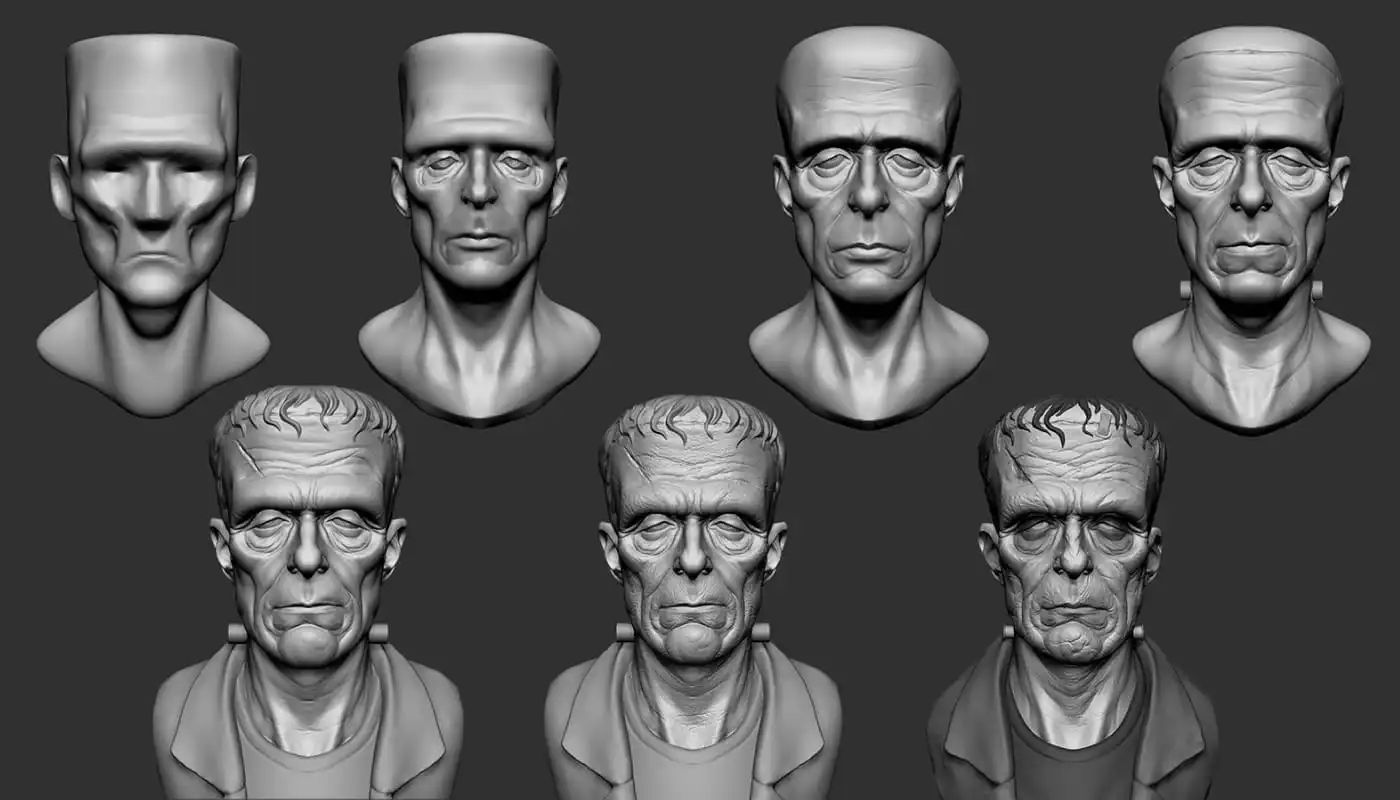
Digital Sculpting (Source: Ikarus 3D)
Digital sculpting mimics clay work in a digital environment, giving artists the freedom to create highly detailed models with millions of polygons. A popular example is World of Warcraft characters.
The game also relies on sculpted details before being optimized for gameplay. This technique is particularly effective for organic forms, though it usually requires retopology to perform well in real-time environments.
Polygonal modeling builds shapes from meshes made of triangles or quadrilaterals, making it one of the most versatile 3D modeling techniques. It is used widely in video games such as Fortnite, where real-time rendering depends on efficient topology.
The method works well for both characters and mechanical objects. However, smooth deformation requires careful attention to the mesh structure.
Procedural modeling relies on algorithms to automate design, often producing massive landscapes or repetitive patterns. This technique is used in Minecraft, where terrains and environments are generated procedurally rather than handcrafted.
It saves artists enormous time, allowing them to experiment with endless 3d modeling variations. Particularly, supporting industries like architecture and film that demand efficient, large-scale production workflows.
5. Subdivision Surface Modeling
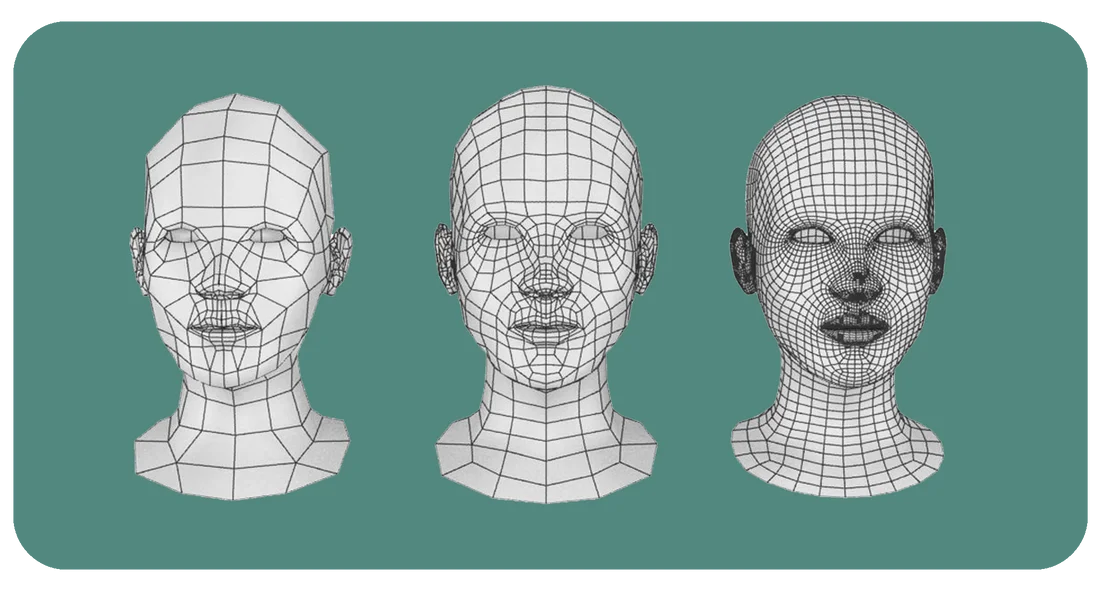
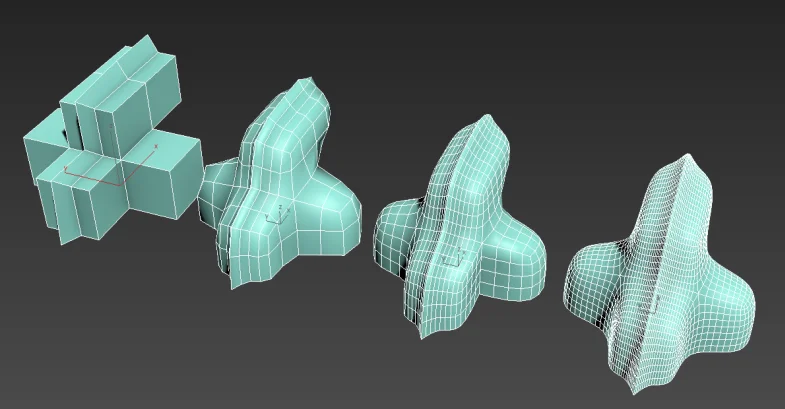
Subdivision modeling (Source: Autodesk)
Subdivision surface modeling starts with a low-polygon base and smooths it into a refined, high-resolution model. This approach is widely used in animated films such as Toy Story.
Characters are shaped and rounded to appealing shapes with consistent detail. The method blends the control of polygonal meshes with the smoothness of curves, making it a cornerstone for character animation and visual storytelling.
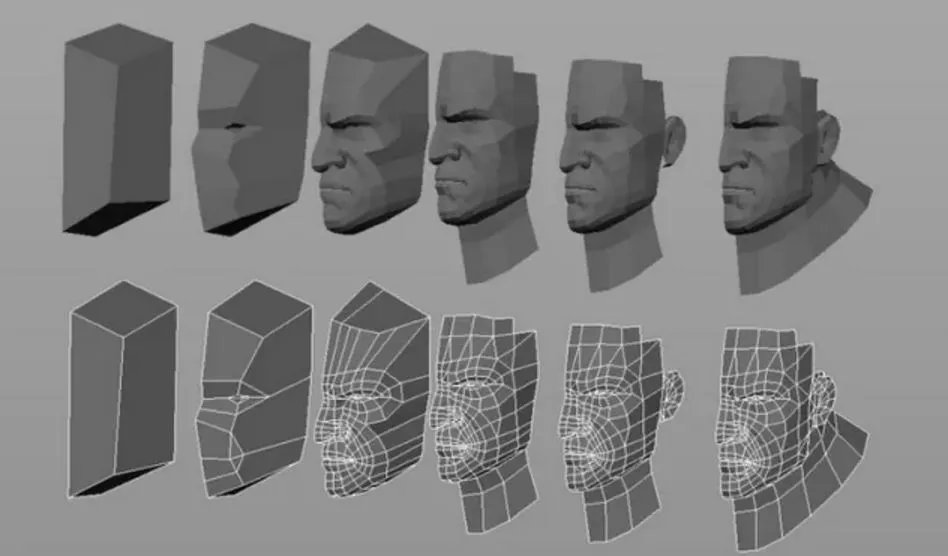
Box modeling begins with a simple cube or primitive shape that is gradually shaped into a final object. Because of its step-by-step workflow and simplicity, box modeling is often recommended as one of the 3D modeling techniques for beginners, giving newcomers a clear path to understand form and refinement.
The workflow is straightforward, which makes it a favorite among beginners learning software like Blender. For instance, many tutorials show how to build a car or furniture model step by step, emphasizing precision.
7. Parametric Modeling
Parametric Engine Model (Source: Ikarus 3D on LinkedIn)
Parametric modeling defines geometry using adjustable parameters, allowing designers to tweak dimensions dynamically. This method is standard in CAD software such as SolidWorks, where engineers can alter measurements of mechanical parts without rebuilding the model.
A good example is designing a gear system, where changing one parameter updates the entire design. Among various 3D modeling techniques, this one stands out for engineering and manufacturing efficiency.
8. 3D Scanning Modeling
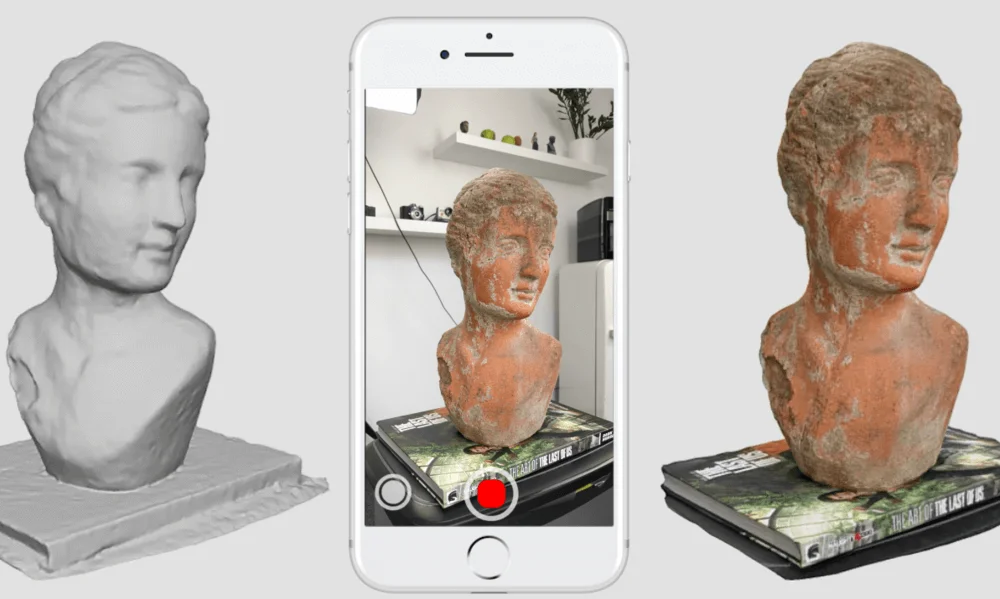
Digital Scan 3D Modeling (Source: Sculpteo)
3D scanning captures objects from reality using lasers or photogrammetry, then converts them into digital replicas. The film The Matrix famously used scanning technology to create realistic stunt doubles. Today, it supports industries from archaeology to special effects, ensuring models match real-world shapes precisely with less time.
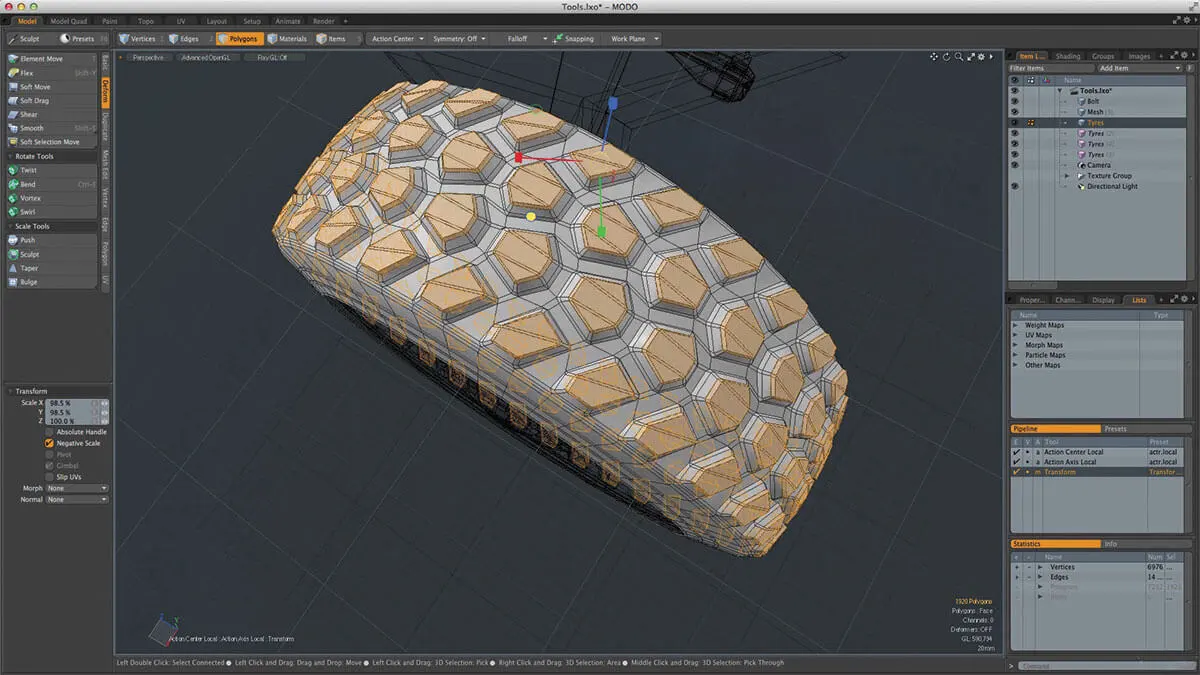
Solid Modeling (Source: Studio Petrikas on YouTube)
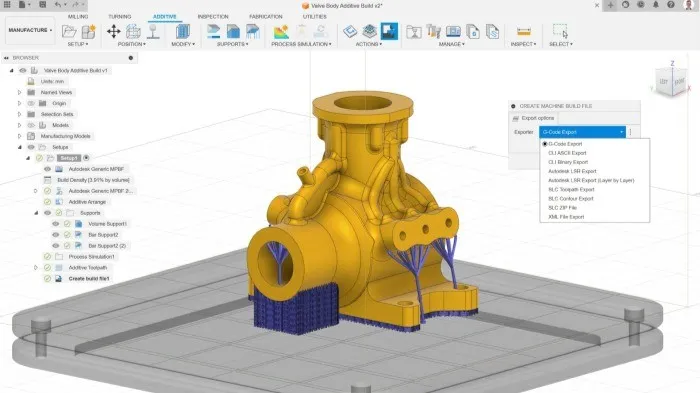
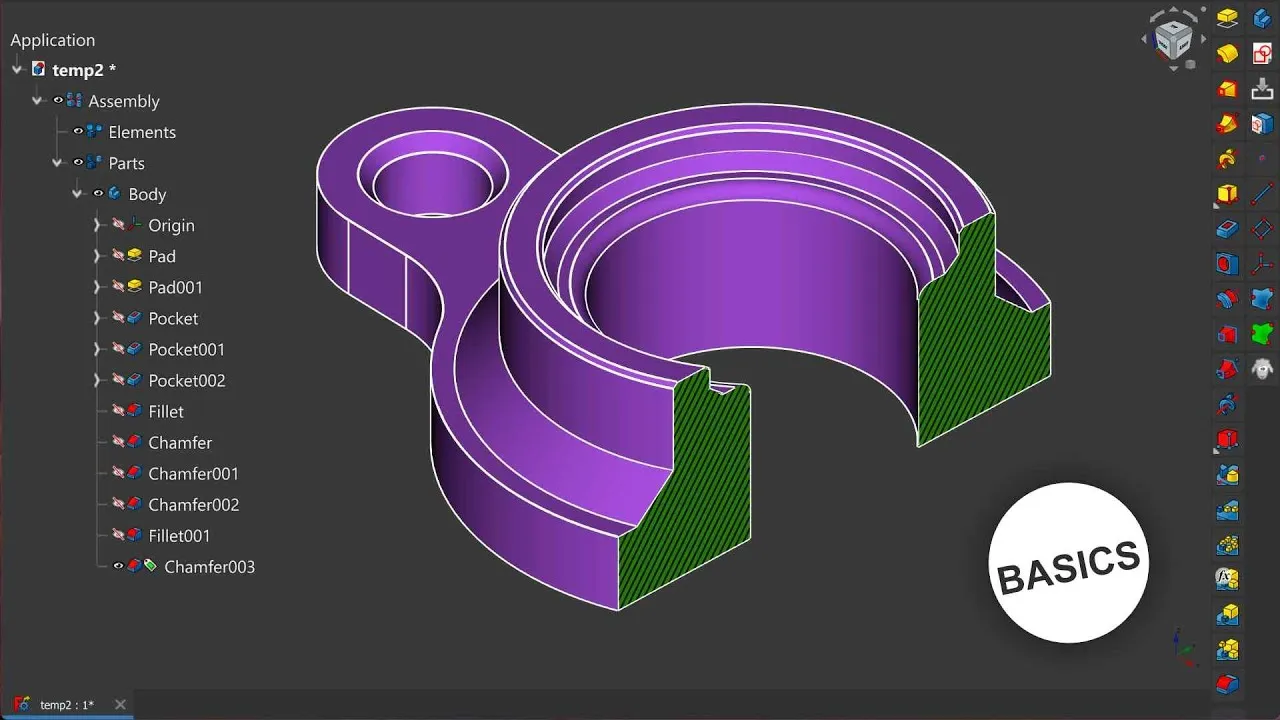
Solid modeling represents 3D objects as volumes rather than hollow shells, making it vital for precise engineering. For example, when designing medical implants, this method ensures accurate weight and durability simulations.
It is mainly popular in CAD and manufacturing. The reason is because Boolean operations and volumetric properties allow for highly reliable simulations before moving into the physical production phase. The precise measurement makes Solid Modeling a reliable resource in these fields.
10. Curve Modeling
Curve Modeling (Source: Graduate Program in Data Science)
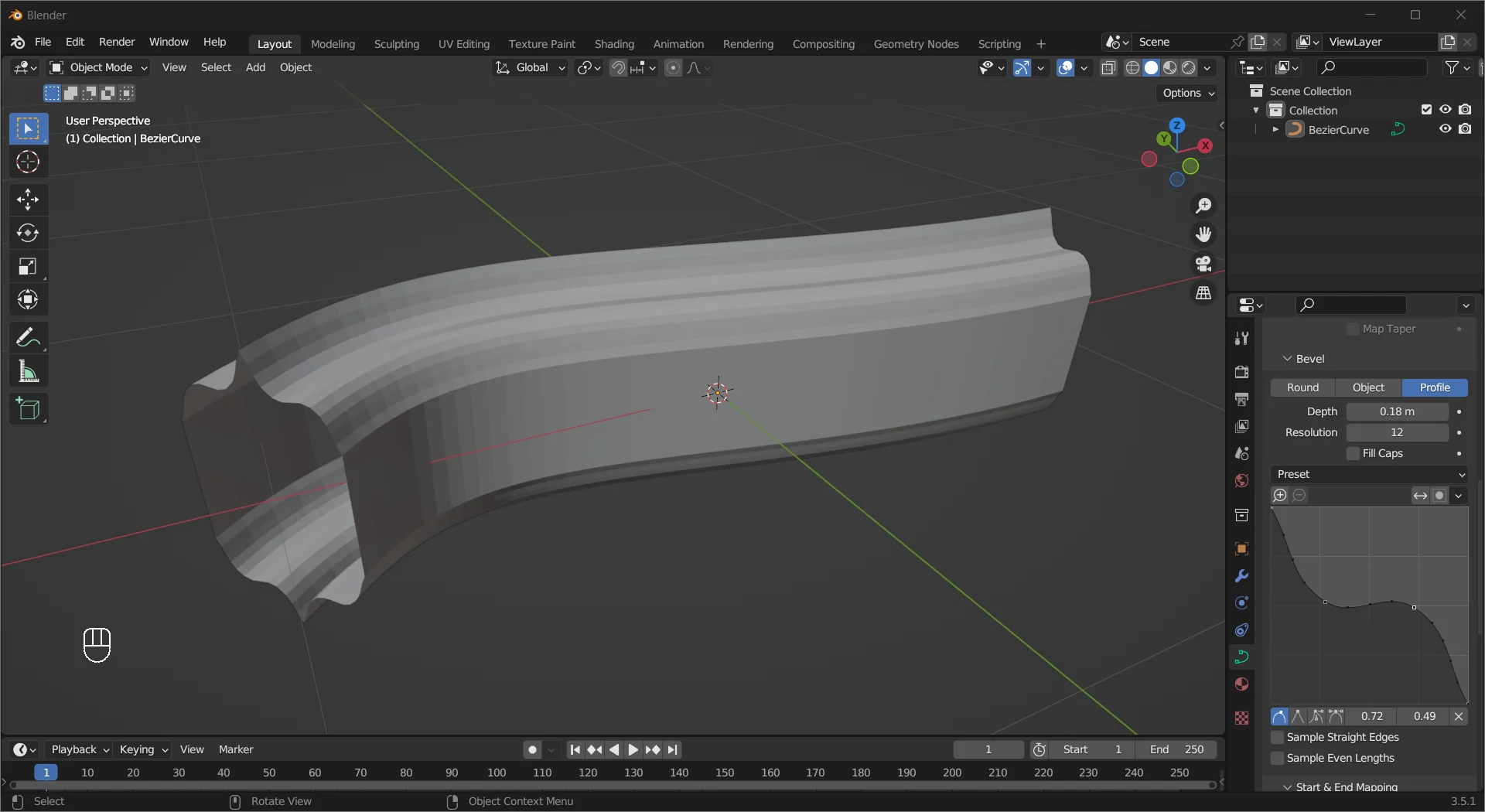
Curve modeling constructs forms using flowing lines, offering elegant transitions and smooth continuity. Automotive designers often use it to shape cars like the Porsche 911, where the sleek curves define its iconic look.
Most also integrate NURBS modeling with this technique. This combo is ideal for industries that emphasize style and refinement, ensuring both visual appeal and aerodynamic efficiency in their designs.
From video games to architectural previews, these methods have shaped industries and transformed imagination into reality. Their influence continues to grow, making them essential tools for anyone working in digital spaces, where creativity and practicality meet every step of the way.
While you’re getting familiar with the techniques, try setting a goal for your models. Here at Tridimensi, you can find the finest 3D models, from natural to futuristic themes. Using these commercial assets, you can elevate your modeling technique to match the quality.