SPECIAL OFFER ✦ BUY 2 GET 1 FREE! ✦ ADD 3 PRODUCTS TO YOUR CART, AND THE DISCOUNT APPLIES AUTOMATICALLY!
SPECIAL OFFER ✦ BUY 2 GET 1 FREE! ✦ ADD 3 PRODUCTS TO YOUR CART, AND THE DISCOUNT APPLIES AUTOMATICALLY!
SPECIAL OFFER ✦ BUY 2 GET 1 FREE! ✦ ADD 3 PRODUCTS TO YOUR CART, AND THE DISCOUNT APPLIES AUTOMATICALLY!
SPECIAL OFFER ✦ BUY 2 GET 1 FREE! ✦ ADD 3 PRODUCTS TO YOUR CART, AND THE DISCOUNT APPLIES AUTOMATICALLY!
From e-commerce stores to virtual showrooms, product visuals are evolving fast. With 3D product visualization software, you can showcase products in stunning detail and captivating motion, giving your audience a clearer, more compelling view than static images alone ever could.
Key Takeaways:
3D product visualization tools help transform ideas into realistic, engaging visuals.
Real-time engines are ideal for immersive experiences, while offline renderers prioritize visual accuracy.
Understanding your use case makes selecting the right visualization tool faster and more effective.
8 Best Options for Your 3D Product Visualization Software
Understanding all the options and capabilities can be tricky when you’re new to 3D workflows. It’s easy to get lost in jargon or wonder which features truly matter for your goals. But we’ll go through it together and find out the best tools for you!
1. Autodesk 3ds Max
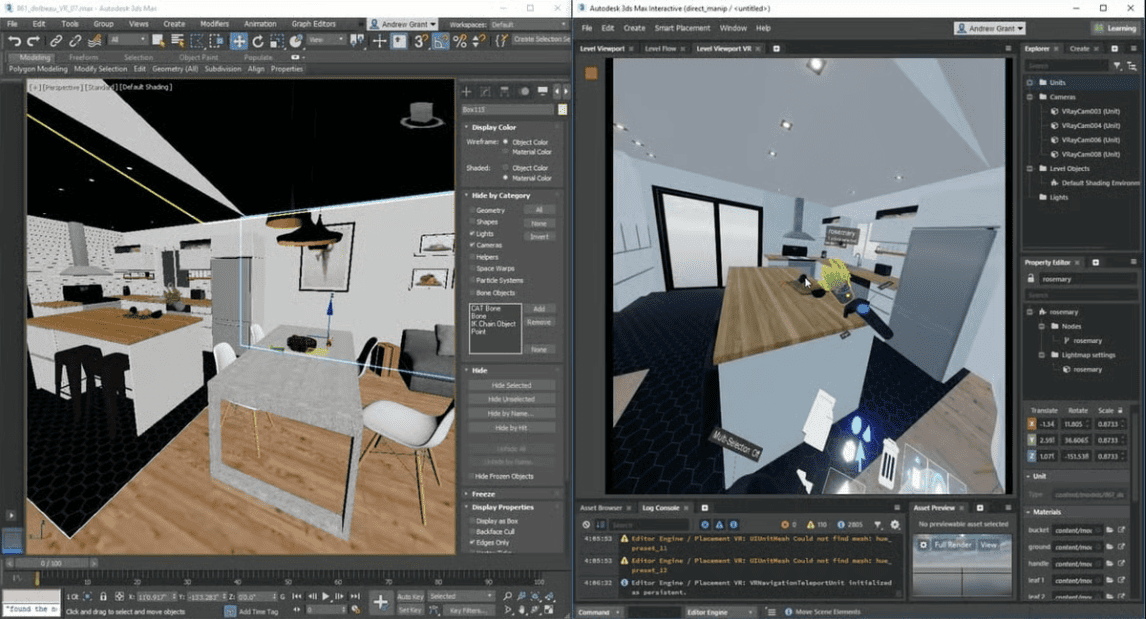
3ds Max 3D Software (Source: All3DP)
Autodesk 3ds Max is widely used for detailed hard-surface modeling and photorealistic renders, especially in electronics and industrial design. With strong CAD interoperability and the Arnold renderer, it supports demanding studio workflows. However, it requires powerful hardware and is best handled by experienced professionals.
Key Features:
Advanced polygon and spline modeling
Arnold renderer integration
CAD and STEP file compatibility
Robust animation and rigging tools
Key Advantages:
Industry-grade precision for complex products
Excellent realism for marketing visuals
Trusted in professional agency pipelines
2. Blender
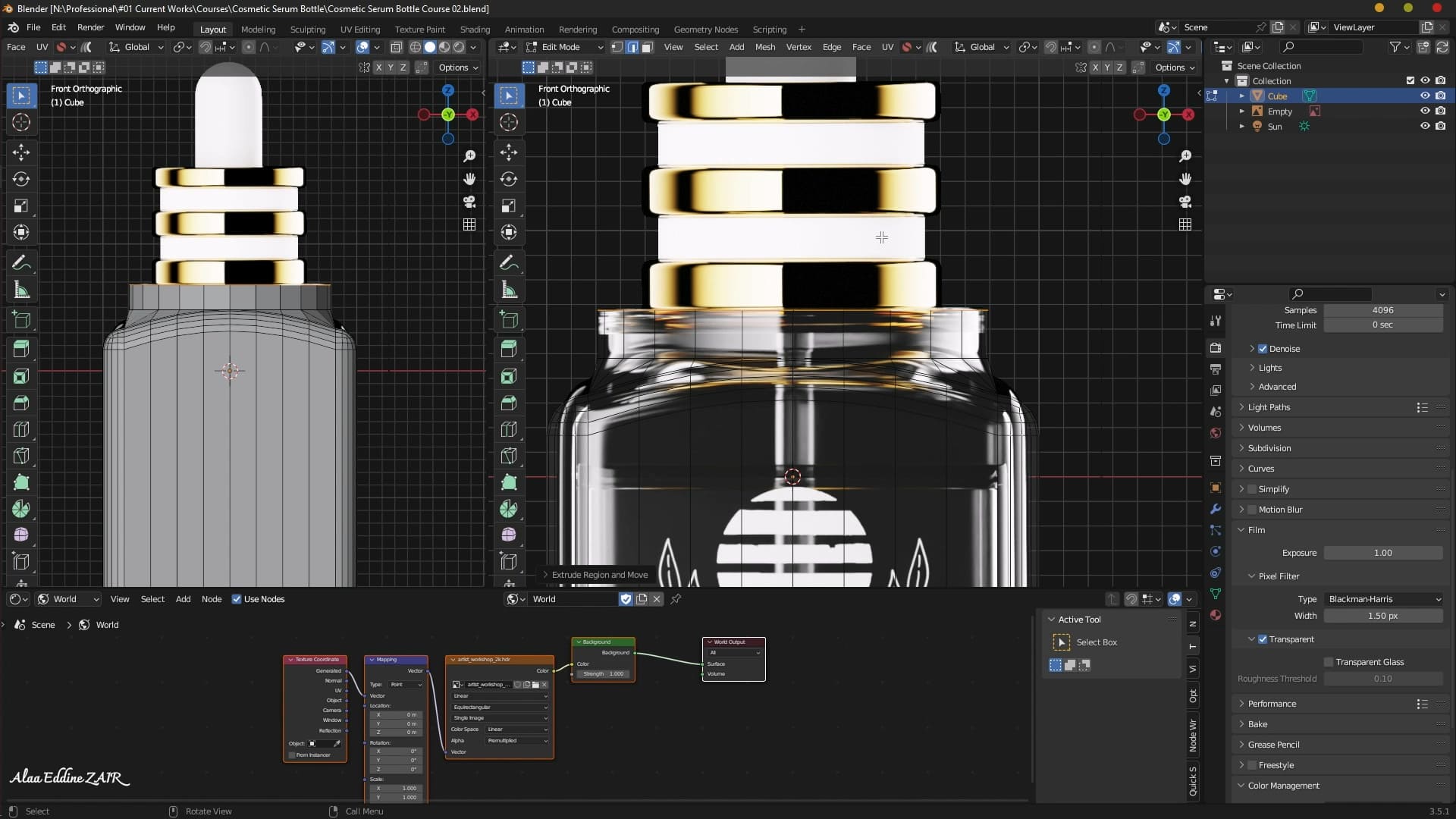
Blender Product Modeling (Source: Blender Market)
Blender is a powerful, open-source option that combines modeling, sculpting, rendering, and compositing in one package. Its Cycles and Eevee engines allow both realism and speed, making it a popular 3D product visualization software for freelancers, startups, and agile e-commerce teams experimenting with product concepts.
Key Features:
Cycles (path-traced) and Eevee (real-time) rendering
KeyShot focuses on speed and simplicity, offering real-time rendering with drag-and-drop materials and instant lighting feedback. It’s often chosen by product designers who need fast, polished visuals without deep 3D expertise. As a 3D product visualizer software, it excels at turning CAD data into marketing-ready imagery.
Key features:
One-click CAD imports
Prebuilt material and environment library
Real-time GPU and CPU rendering
Simple animation tools
Key Advantages:
Extremely short learning curve
Ideal for product launches and presentations
Minimal setup for photorealistic results
4. V-Ray
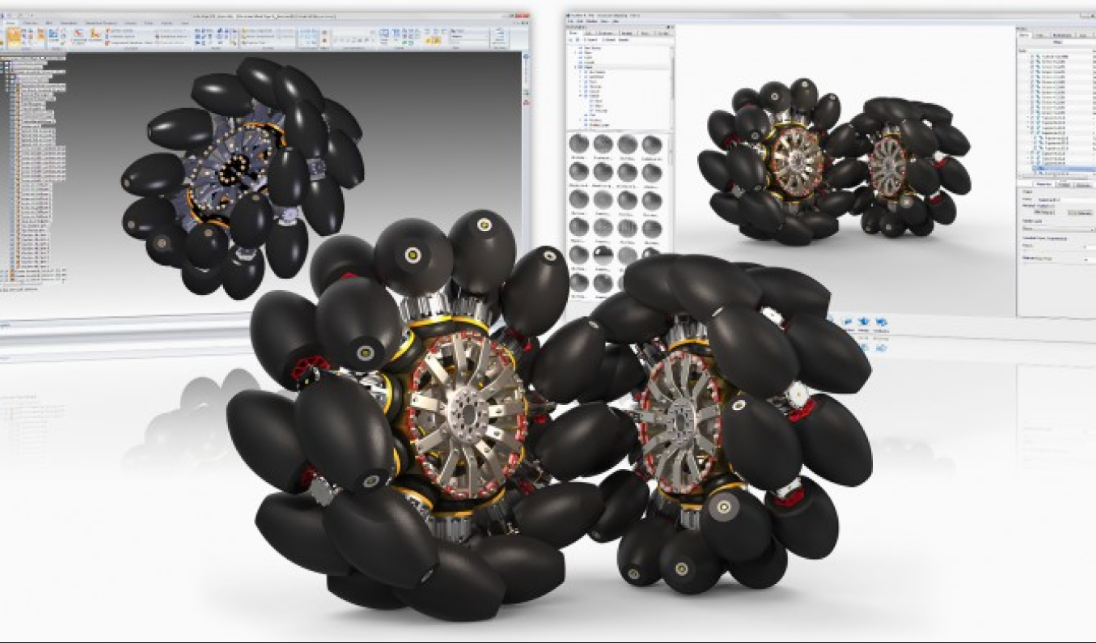
V-Ray 3D Model View (Source: webrotate)
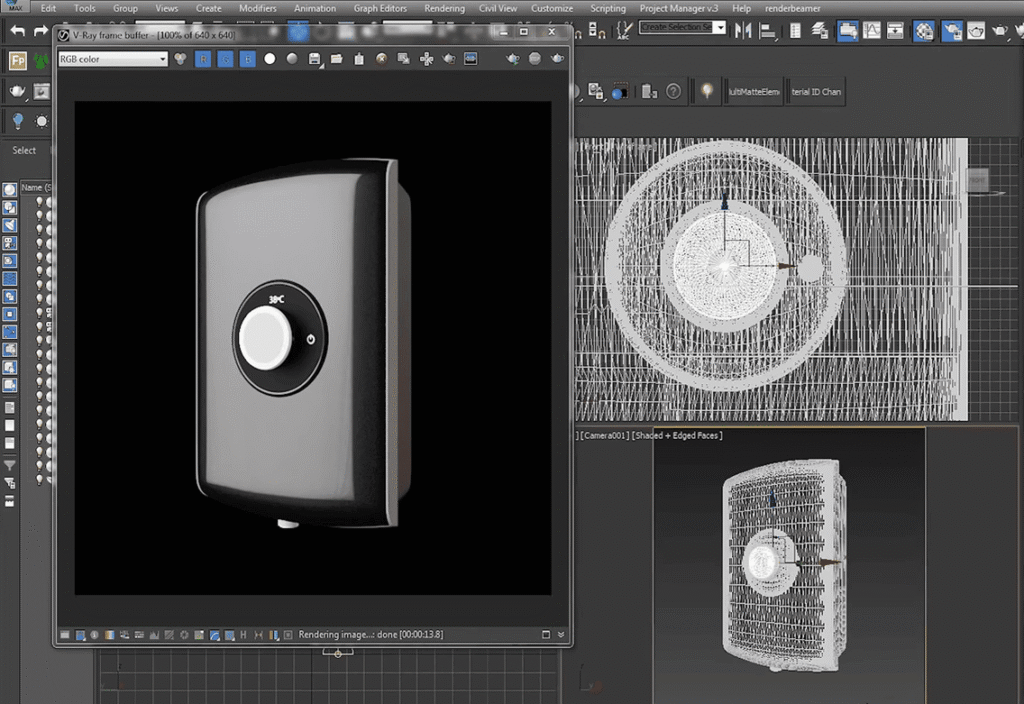
V-Ray is a high-end rendering engine that integrates with tools like 3ds Max and Cinema 4D to deliver industry-leading realism. Known for lighting accuracy and material depth, it’s often considered among the best 3D software for product visualization when realism is the top priority.
Corona Renderer emphasizes ease of use without sacrificing visual quality. Its clean interface and interactive rendering make it efficient for fast product visualization cycles, especially for marketing teams. Designers can achieve consistent results with fewer technical adjustments compared to more complex engines.
Key Features:
Integration with 3ds Max and Cinema 4D
Physically based materials
Interactive real-time preview
Key Advantages:
Beginner-friendly for mid-level designers
Reliable results with minimal tweaking
Faster setup for high-quality outputs
6. Cinema 4D
Cinema 4D 3D Product Visualization (Source: G2)
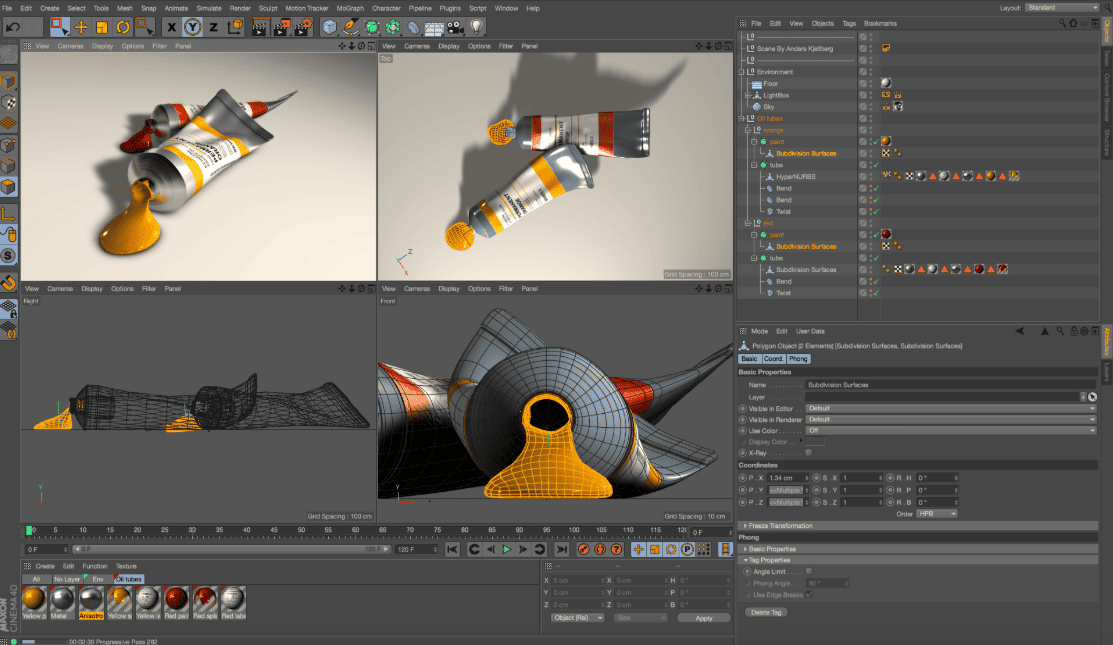
Cinema 4D is well known for its intuitive workflow, especially in motion graphics and branded product animations. With Redshift integration and strong simulation tools, it works well for dynamic visuals and promotional content, positioning it as a strong candidate for the best 3D product visualization platform in creative studios.
3D Product Visual in Unreal Engine (Source: Nafay 3D on YouTube)
Unreal Engine brings real-time rendering to product visualization, enabling interactive experiences such as configurators and virtual showrooms. With technologies like Lumen and Nanite, it’s increasingly used in automotive and retail, redefining how 3D product visualization software supports immersive e-commerce.
Key Features:
Real-time global illumination
High-fidelity geometry handling
Interactive user experiences
Key Advantages:
Perfect for real-time product demos
Cost-effective for advanced interactivity
Scales well for large catalogs
8. D5 Render
D5 Render 3D Scene (Source: D5 Render)
D5 Render is a newer real-time rendering solution that leverages AI optimization and an asset-rich ecosystem. Its drag-and-drop workflow is approachable for non-technical users, making it appealing for marketing teams that need fast visuals without complex setups or expensive hardware.
Ready to Explore the Right 3D Product Visualization Software for You?
Choosing the right tools is less about technical perfection and more about clarity, creativity, and purpose. As you explore your options, remember that great product visuals start with experimentation, and the right software can turn ideas into experiences worth remembering.
While the right software brings your product visuals to life, the final impact often comes from the assets you use. That’s where our product at Tridimensi fits; we offer ready-to-use 3D assets, animations, and web backgrounds that help elevate your visual presentations with ease.