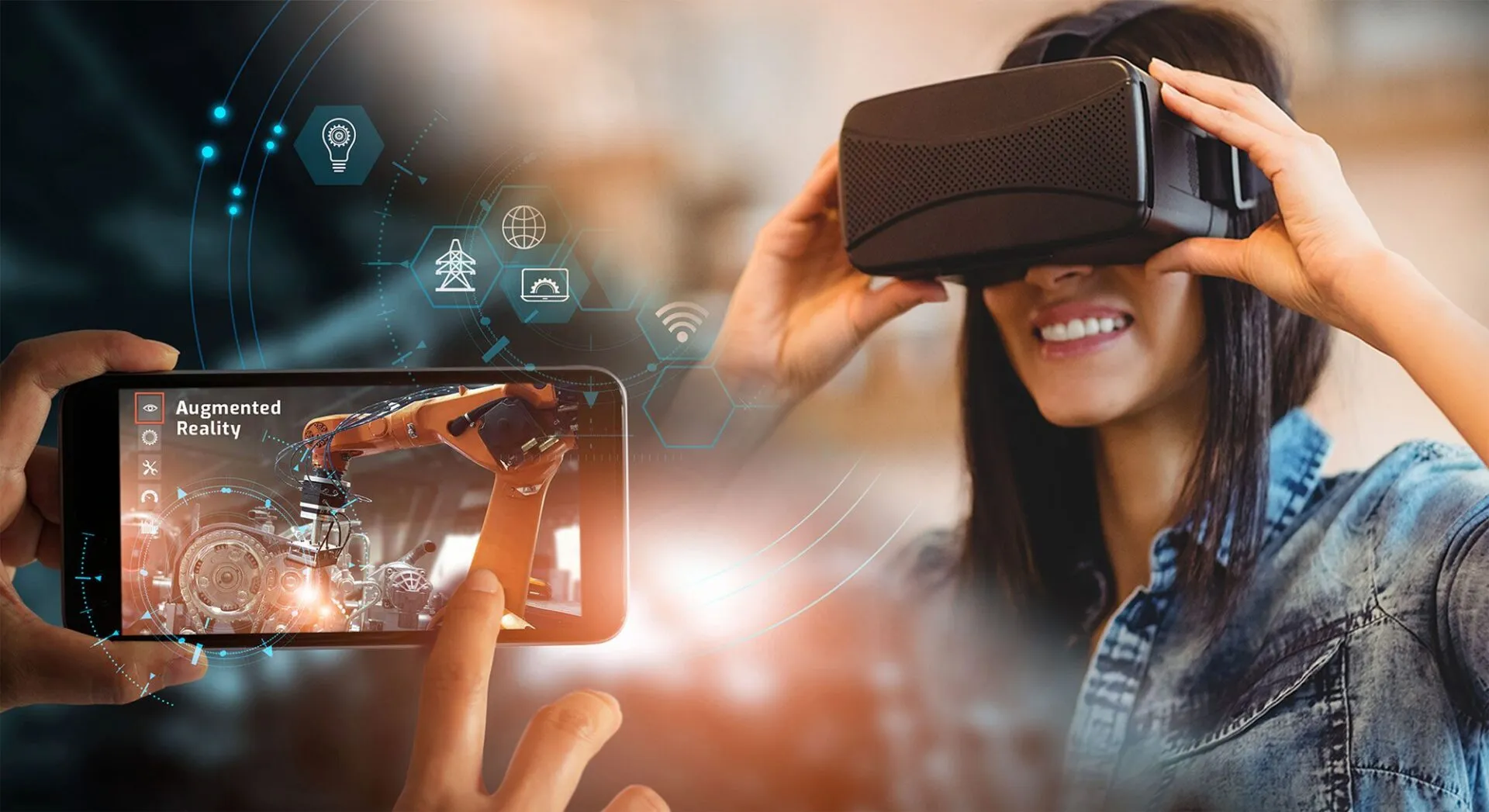
Augmented Reality is rapidly evolving as an interactive digital user technology that combines digital elements with the real world in real time. Users can interact more deeply with contextual visual information that is displayed.
The application of Augmented Reality is expanding across various digital sectors, ranging from entertainment to modern professional industries, and the integration of this technology increases user engagement, making digital innovation more immersive and relevant to user needs.
The Role Of Augmented Reality In Interactive Technology Transformation
Augmented Reality plays an important role in transforming interactive technology by enriching physical reality with informative digital objects, making interactions more intuitive and significantly enhancing user experiences across various contexts.
This technology enables direct data visualization within the user’s real environment, allowing information to be more easily understood while making learning and technological exploration more effective and engaging.
Augmented Reality helps bridge the physical and digital worlds harmoniously, reducing traditional interaction boundaries and allowing users to experience technology in a more natural and adaptive way.
The use of AR encourages the development of creative and innovative applications, resulting in more dynamic interaction design and increased digital value across multiple technology platforms.
With the support of modern devices, Augmented Reality has become increasingly accessible to global digital users, leading to higher adoption rates and ensuring that technological transformation continues consistently and sustainably.
The Impact Of Augmented Reality On Digital User Experience
Augmented Reality has a significant impact on digital user experience through contextual and real time visual interaction, enriching perception and continuously increasing user engagement.
1. Enhancing Visual Interaction
Augmented Reality presents digital objects directly within the user’s real environment, making interactions more engaging and creating experiences that feel more vivid and realistic.
Interactive visualization helps users understand complex information more quickly, supporting cognitive processes and significantly improving comprehension levels.
The use of three dimensional graphics creates a unique exploratory experience, encouraging active participation and increasing emotional engagement in technology usage.
AR-based visual interaction supports innovation in modern user interfaces, making designs more intuitive and consistently improving user satisfaction.
2. Enriching Digital Learning Experiences
Augmented Reality enhances learning experiences by presenting interactive materials based on real visual contexts, making learning more engaging and increasing learner interest.
This technology allows direct simulation of objects or processes, making abstract concepts easier to understand and improving educational effectiveness.
AR supports self directed learning through visual exploration, enabling active learning and better information retention.
AR-based learning innovation creates modern educational methods, making learning processes more adaptive and learning outcomes more optimal.
3. Increasing User Engagement
Augmented Reality increases user engagement by delivering responsive interactive experiences, allowing users to feel directly involved and making interactions more personal.
This technology utilizes real time environmental context, ensuring experiences feel relevant and increasing participation levels.
High engagement encourages users to interact longer with digital applications, increasing loyalty and enhancing platform value.
AR becomes a strategic tool for boosting modern digital engagement, deepening user experience and achieving product differentiation.
4. Supporting Interactive Shopping Experiences
Augmented Reality supports digital shopping experiences through realistic product visualization, allowing users to try products virtually and make purchasing decisions with greater confidence.
This technology reduces consumer uncertainty before purchasing, delivering more realistic experiences and lowering return rates.
AR enables product display personalization according to user needs, making interactions more relevant and increasing customer satisfaction.
AR-based interactive shopping experiences drive innovation in e commerce, increasing sales conversion and maintaining competitiveness.
5. Optimizing the Digital Entertainment Industry
Augmented Reality transforms the entertainment industry by delivering immersive experiences within the real world, making entertainment more interactive and increasing user engagement.
Games and entertainment applications utilize AR to explore physical environments, creating more dynamic play experiences and fostering user creativity.
AR expands traditional digital entertainment concepts by removing screen limitations and creating entirely new sensations.
AR-based entertainment innovation strengthens the position of modern interactive technology, generating new trends and accelerating industry growth.
Deepening The Implementation Of Augmented Reality Across Various Sectors
Augmented Reality is widely implemented in education to support visualization of complex concepts, making students more interactive and learning processes more engaging and practical.
In the healthcare sector, Augmented Reality assists with anatomical visualization and medical procedure guidance, improving accuracy and minimizing the risk of errors.
The manufacturing industry utilizes AR for assembly and machine maintenance guidance, making work processes more efficient and significantly increasing productivity.
In the tourism sector, AR delivers interactive information about tourist destinations, creating more informative travel experiences and increasing visitor satisfaction.
Augmented Reality is also applied in architecture and interior design, enabling realistic space visualization and improving planning accuracy.
Conclusion
Augmented Reality transforms interactive technology experiences for digital users through contextual visualization, real time interaction, and the integration of physical and digital worlds. This technology increases engagement, making user experiences more immersive and valuable.
With continuous implementation, Augmented Reality has the potential to become a core foundation of future digital experience innovation. Technological transformation accelerates, and users gain more meaningful and adaptive digital interactions.