SPECIAL OFFER ✦ BUY 2 GET 1 FREE! ✦ ADD 3 PRODUCTS TO YOUR CART, AND THE DISCOUNT APPLIES AUTOMATICALLY!
SPECIAL OFFER ✦ BUY 2 GET 1 FREE! ✦ ADD 3 PRODUCTS TO YOUR CART, AND THE DISCOUNT APPLIES AUTOMATICALLY!
SPECIAL OFFER ✦ BUY 2 GET 1 FREE! ✦ ADD 3 PRODUCTS TO YOUR CART, AND THE DISCOUNT APPLIES AUTOMATICALLY!
SPECIAL OFFER ✦ BUY 2 GET 1 FREE! ✦ ADD 3 PRODUCTS TO YOUR CART, AND THE DISCOUNT APPLIES AUTOMATICALLY!
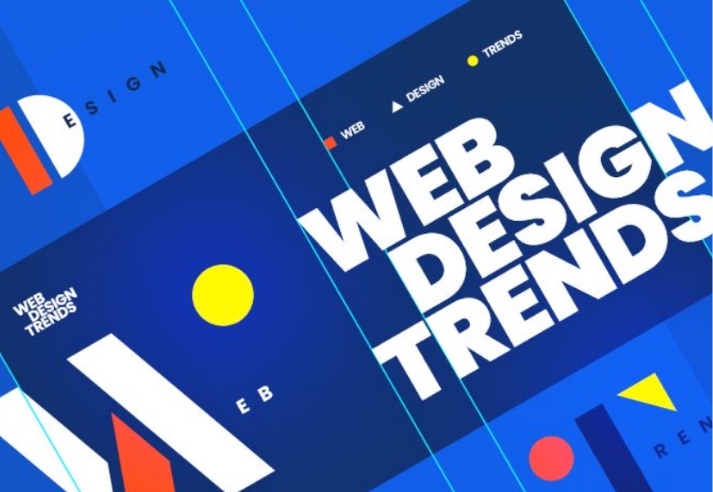
Current web design trends are evolving faster than ever, and keeping up is essential for anyone building a modern site. With the right design approach, a website can significantly boost user experience, enhance brand credibility, and improve business performance over time.
According to Webflow, immersive 3D experiences, thoughtful motion-UI, and futuristic gaming-style interfaces are among the key shifts shaping the web in 2025. By adopting these trends early, designers and business owners can future-proof their websites, ensuring they remain relevant and user-friendly for years to come.
Key Takeaways:
Embracing modern design patterns like minimalism, 3D visuals, and AI-driven personalization can improve usability, performance, and brand perception.
Motion, interactive UI elements, and immersive experiences are becoming standard for websites aiming to stand out.
Designing with flexibility, including responsive layouts, accessibility, and adaptive themes, ensures your site meets evolving user expectations and device diversity.
15 Emerging Web Design Trends for 2025–2026
Here are 15 trends expected to dominate web design in 2025 and 2026, along with brief insights into why each one matters.
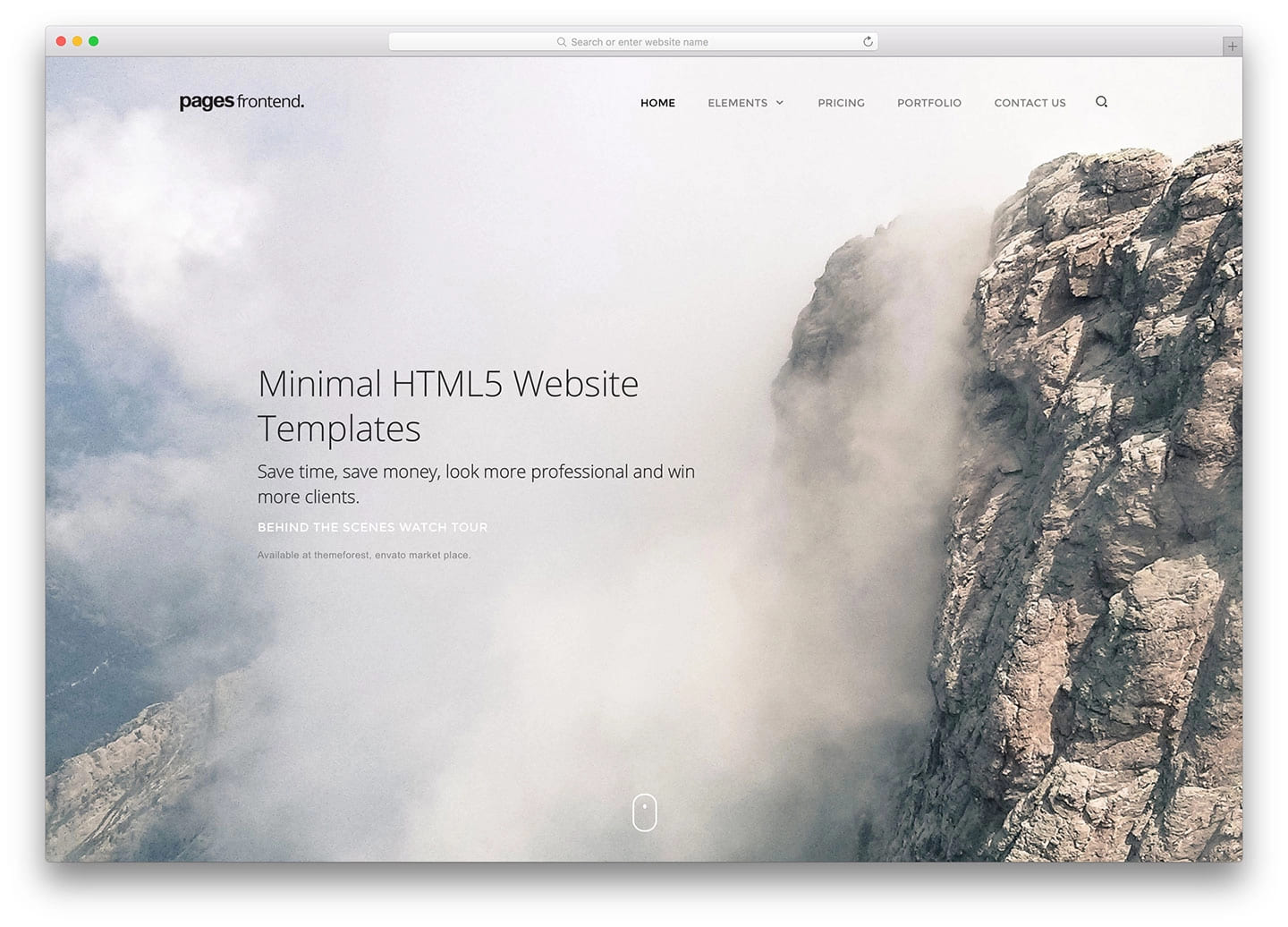
Minimalistic layouts continue to dominate. Many sites in 2025 utilize ample whitespace, clean typography, and limited color palettes to make browsing smooth. This approach is part of the top website design trends of 2025, offering efficient, professional interfaces.
This design also supports performance with faster loading times and a clear information hierarchy, ideal for brands seeking a modern yet functional presence.
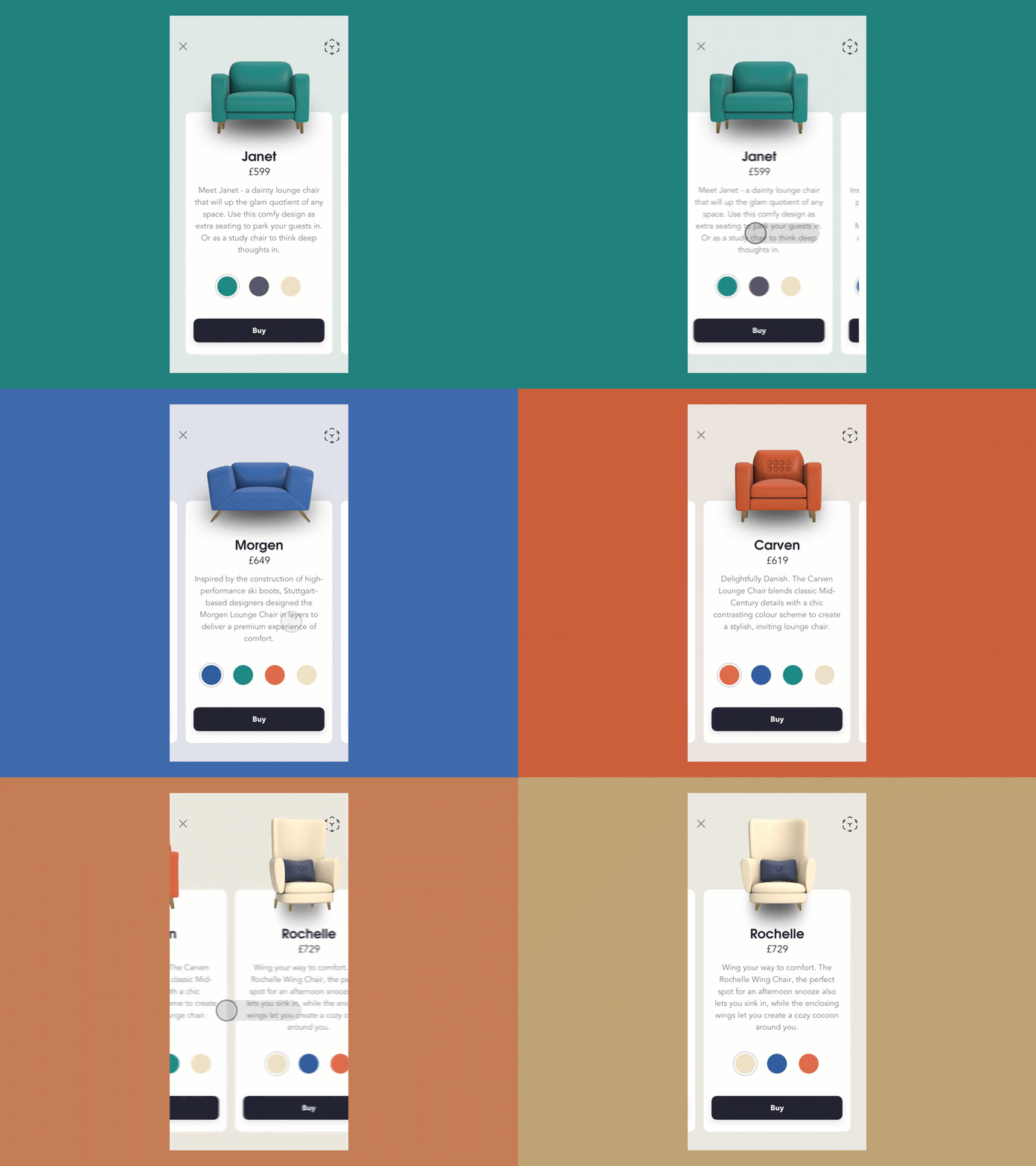
Interactive 3D product display interface | Source: Graphicmama
3D visuals are increasingly popular for creating immersive web experiences. Users can interact more deeply, such as viewing products from multiple angles or exploring virtual spaces.
Among the web trends of 2025, 3D elements provide a unique way to engage visitors while maintaining fast, optimized performance.
3. Dark Mode and Adaptive Themes
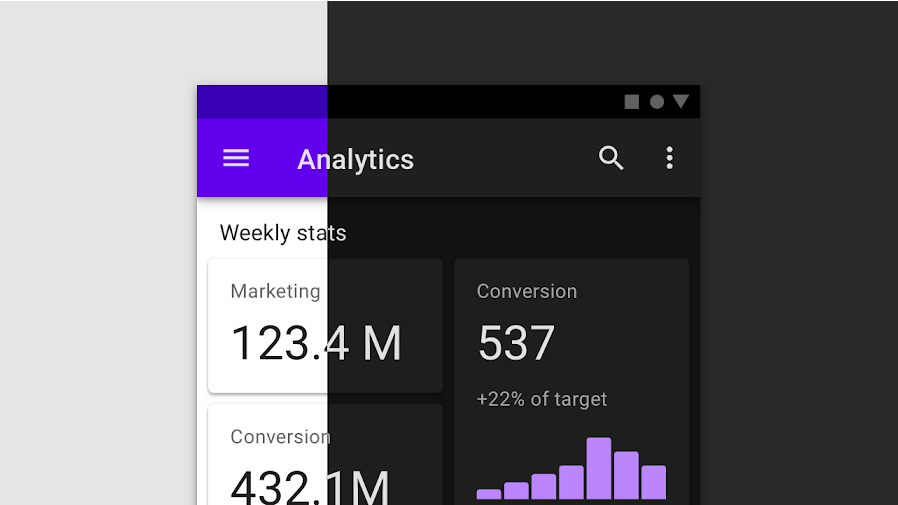
Dark mode adaptive theme mockup | Source: Tomthedesigner
Dark mode reduces eye strain and suits night-time or low-light browsing. Adaptive themes that adjust according to user preferences, time of day, or device type enhance personalization and comfort.
This trend improves user satisfaction and engagement while keeping websites modern and accessible.
Subtle movement, hover effects, microanimations, and scroll-based interactions make sites feel dynamic and responsive. These elements guide users, highlight hierarchy, and invite action while maintaining an intuitive interface, boosting engagement and enjoyment
5. Asymmetrical Gridless Layouts
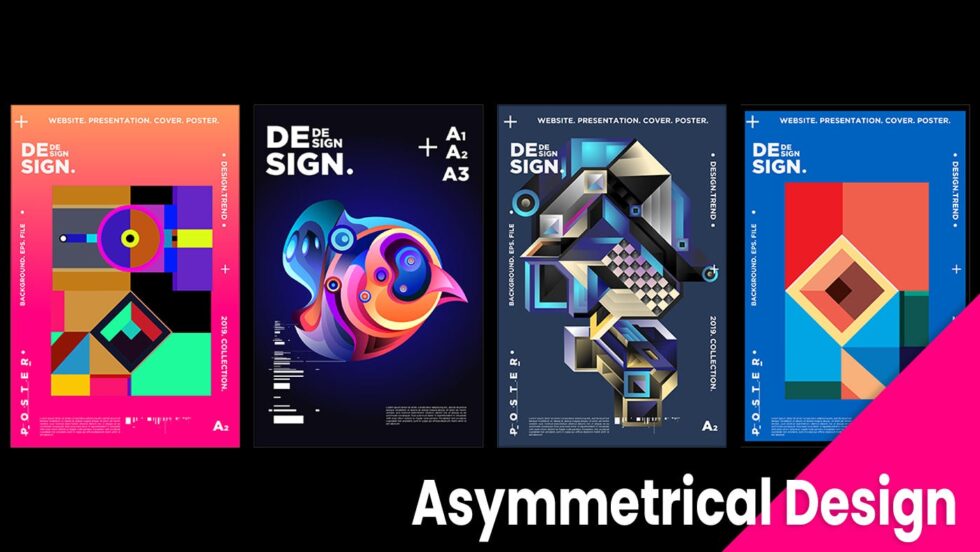
Asymmetrical modern creative webpage layout | Source: Hansco
Asymmetrical or gridless layouts break conventional structure, giving websites unique character. When used thoughtfully, they add visual interest while still keeping navigation clear and usability intact, ensuring the design feels creative without confusing visitors.
6. AI-Driven Personalization and Adaptive UI
AI powered adaptive website interface | Source: Simplified
AI helps websites adjust content, layout, and color schemes based on user behavior, preferences, and location, making experiences more relevant across desktop, tablet, and mobile platforms.
These current web design trends allow brands to offer personalized recommendations, dynamic content, and adaptive interfaces that feel intuitive and engaging.
7. Immersive Extended Reality (AR/VR) Elements
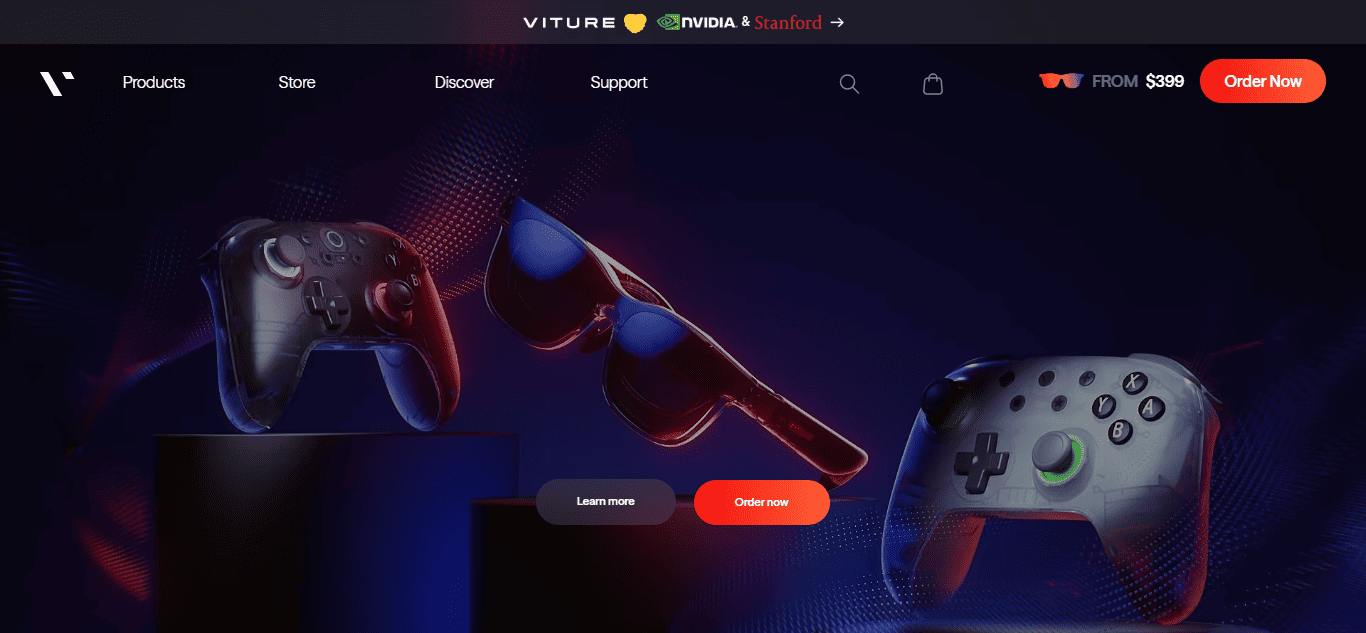
Immersive AR VR website example | Source: Viture
The trend toward designs that combine AR/VR and immersive experiences is becoming more apparent—not only for games or experiments, but also for ordinary websites. Retail, real estate, and education can use XR for interactive experiences directly from a browser.
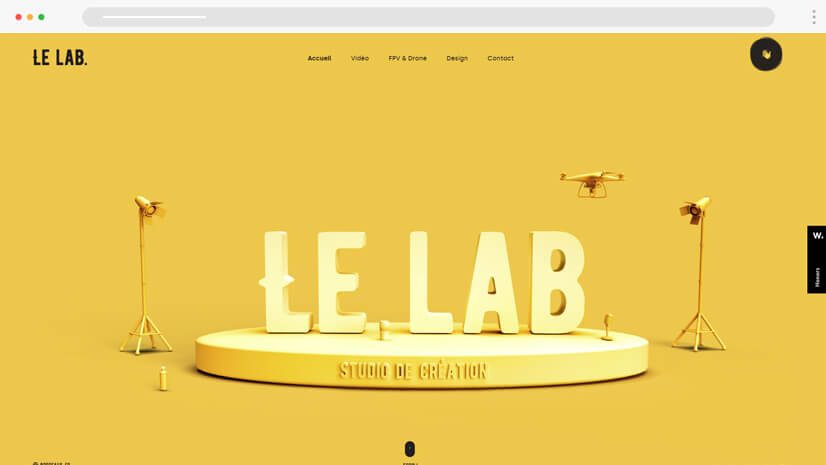
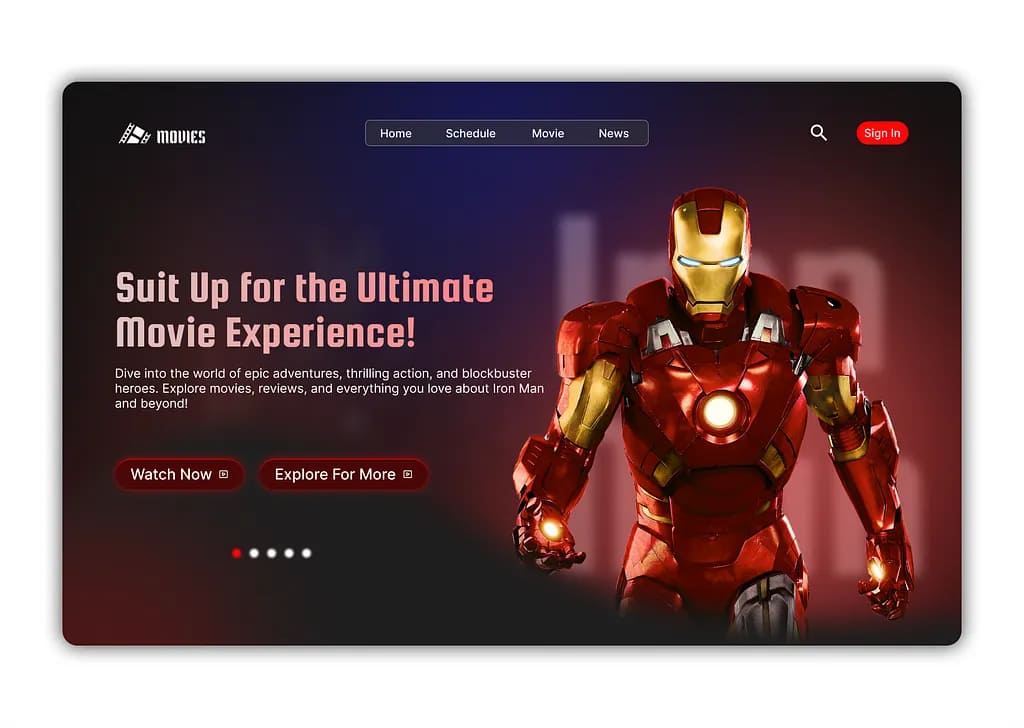
Cinematic storytelling brings film-inspired visuals to modern websites through dramatic hero sections, layered depth, and scene-like transitions. This approach creates emotional impact and makes the experience feel polished without relying on generic templates.
Brands use strong lighting, widescreen compositions, and subtle motion to craft immersive narratives. It’s especially effective for lifestyle, agency, and campaign websites that depend on visual storytelling.
9. Futuristic Sci-Fi Aesthetic and Gaming-Style UI
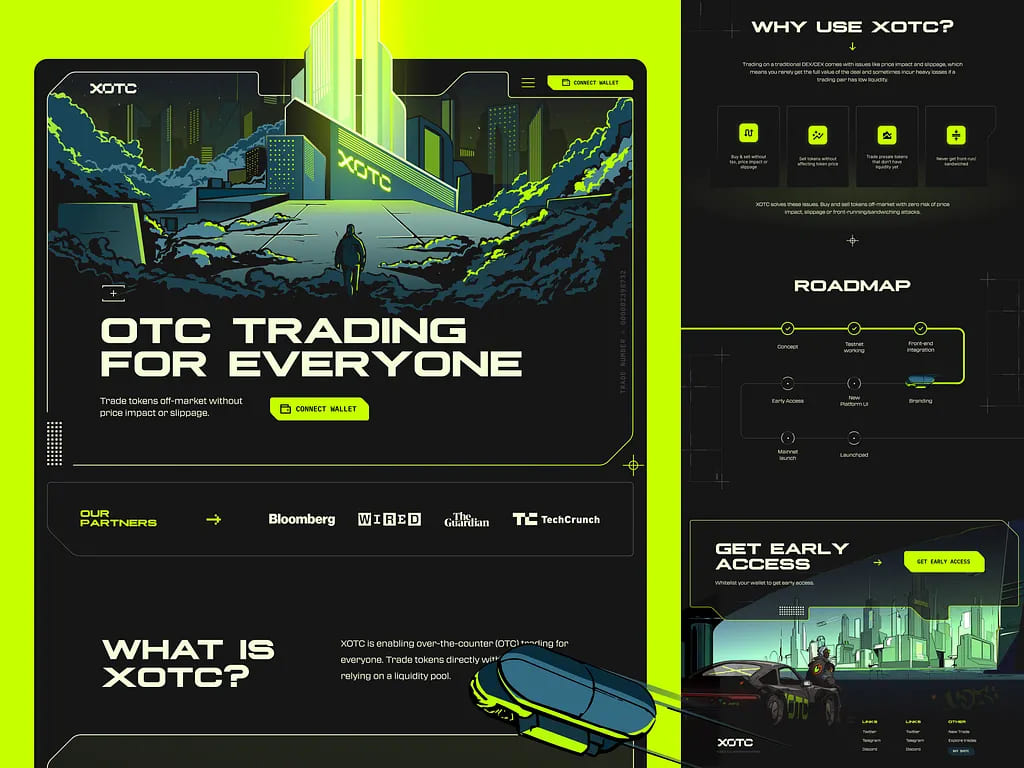
Futuristic neon sci fi UI | Source: Dribble
Designs with futuristic aesthetics—neon, glowing edges, holographic panels—are becoming increasingly popular, especially for brands that want to appear edgy, modern, and tech-savvy.
This style combines visual elements from games and sci-fi with modern web functionality, creating an immersive and engaging experience.
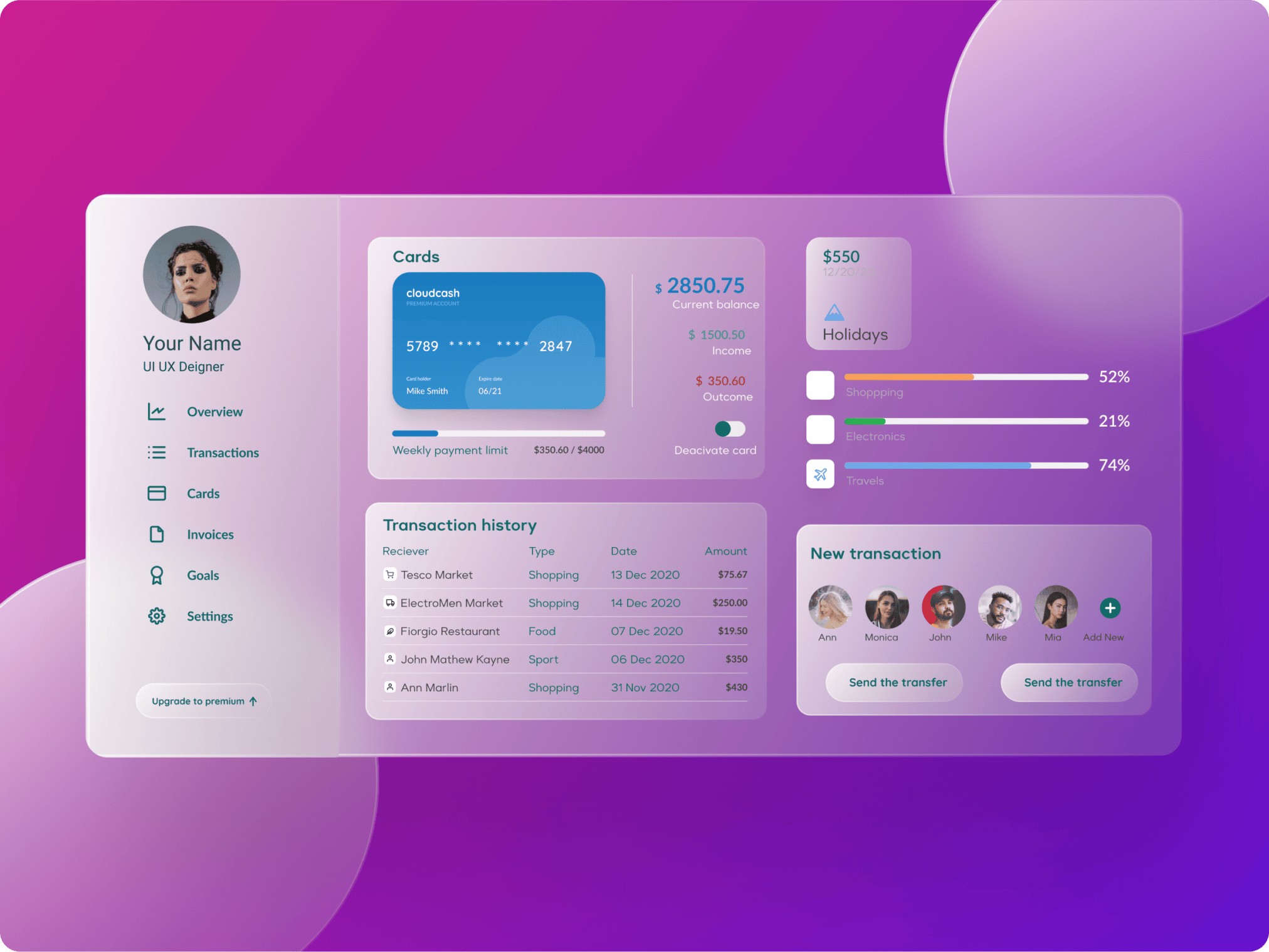
Semi-transparent, blurred, glass-like elements create depth and elegance without visual heaviness. Paired with soft gradients and subtle blur, this style suits brands seeking a modern, sophisticated appearance.
11. Mobile-First Performance-Focused Design
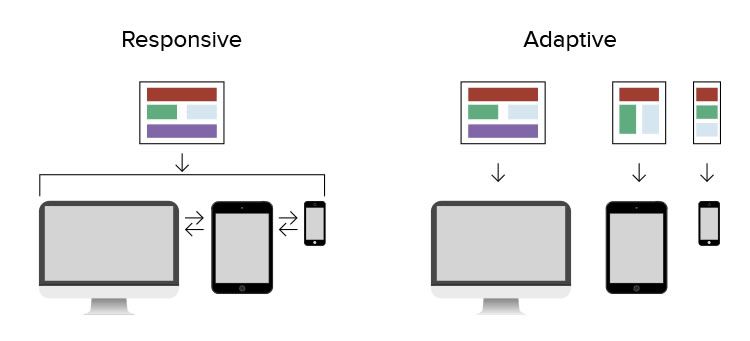
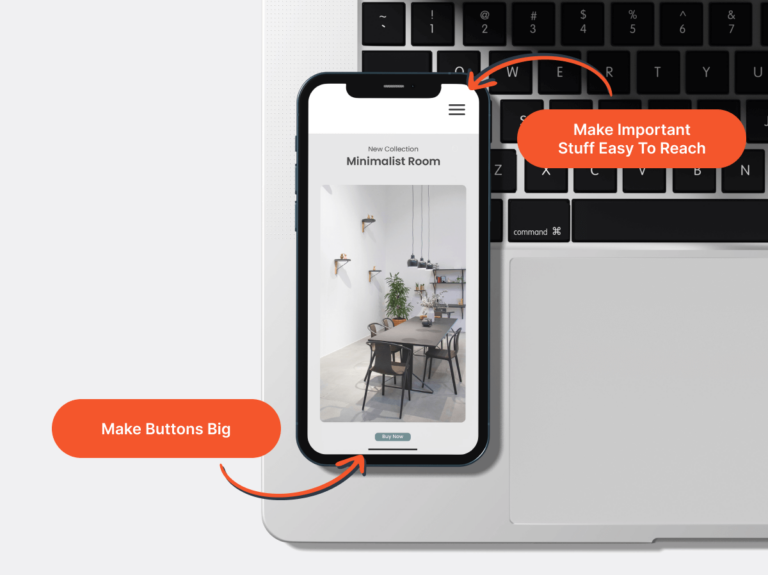
Mobile first responsive website design | Source: Appsalon
Most users browse on mobile, making mobile-first, high-performance design essential. Responsive layouts and optimized images ensure consistent appearance and function across all devices, enhancing reach and usability.
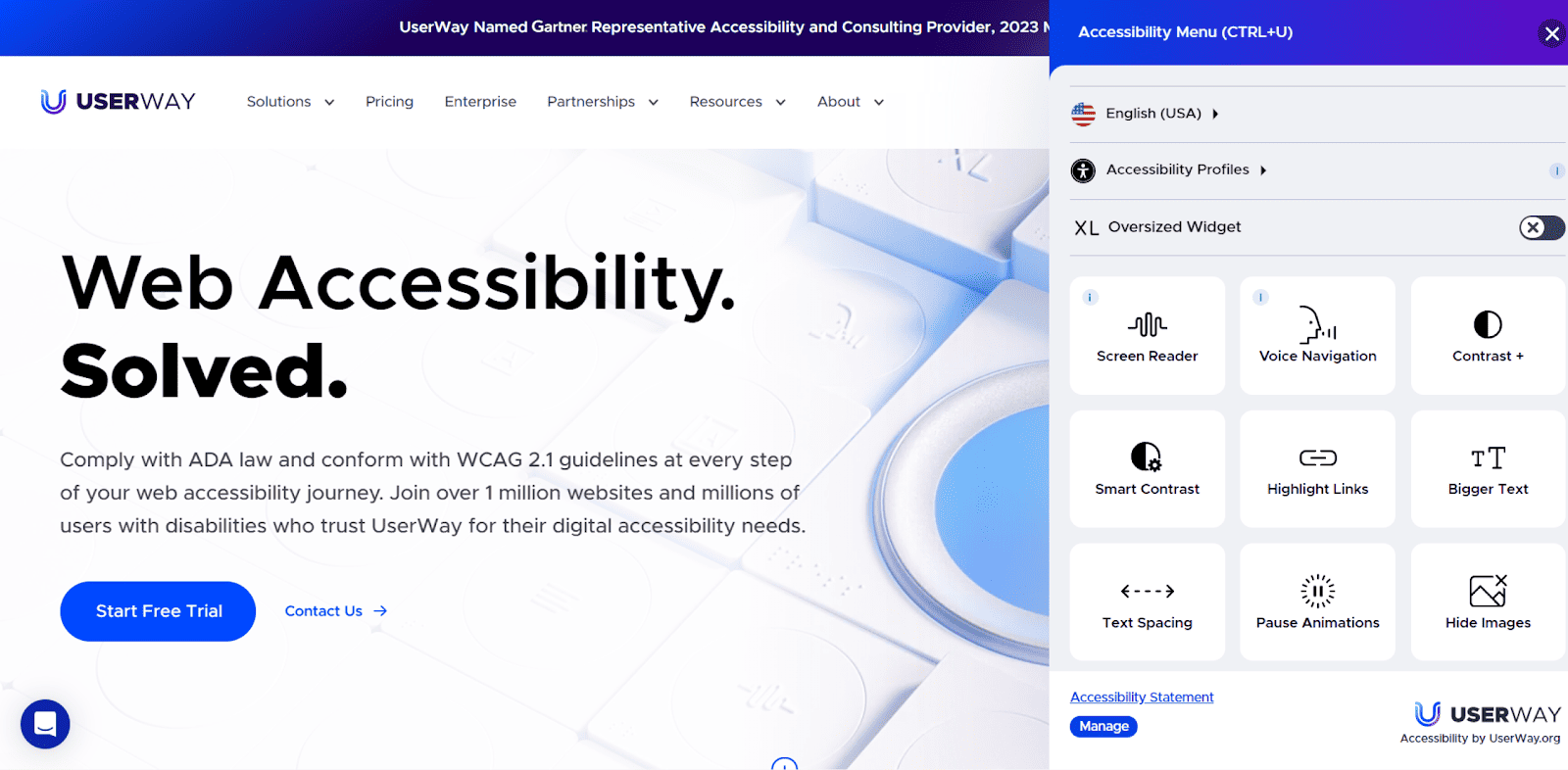
Inclusive accessibility focused web interface | Source: Eleken
Inclusive design is expected to be a major web design trend 2026, focusing on diverse user needs, neurodiversity, and alternative UI controls. Designing with accessibility in mind expands audience reach, improves usability for all users, and demonstrates a brand’s commitment to fair, user-friendly experiences.
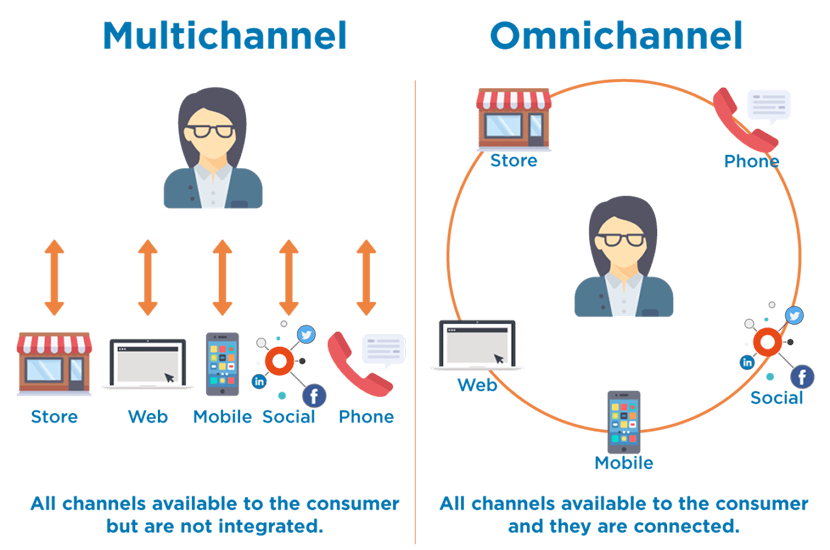
Websites are increasingly part of a broader ecosystem: social media, apps, physical services, and email. Omnichannel integration ensures consistent experiences across touchpoints, strengthening engagement and loyalty.
14. Security-First Trust-Centered Design
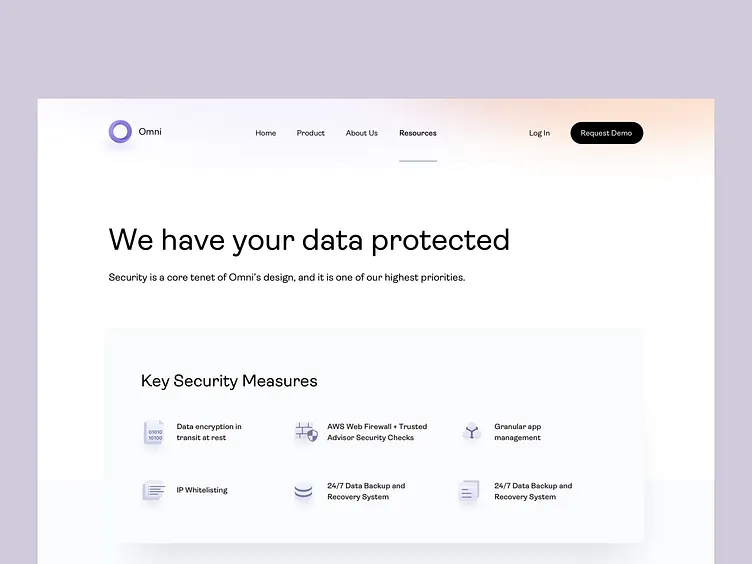
Secure trust centered web dashboard | Source: Dribble
Privacy and security concerns drive websites to prioritize transparency and protective features like trust badges and secure UI. This approach fosters user trust, essential for e-commerce, fintech, and data-sensitive services.
15. AI-First & Zero-UI Interfaces
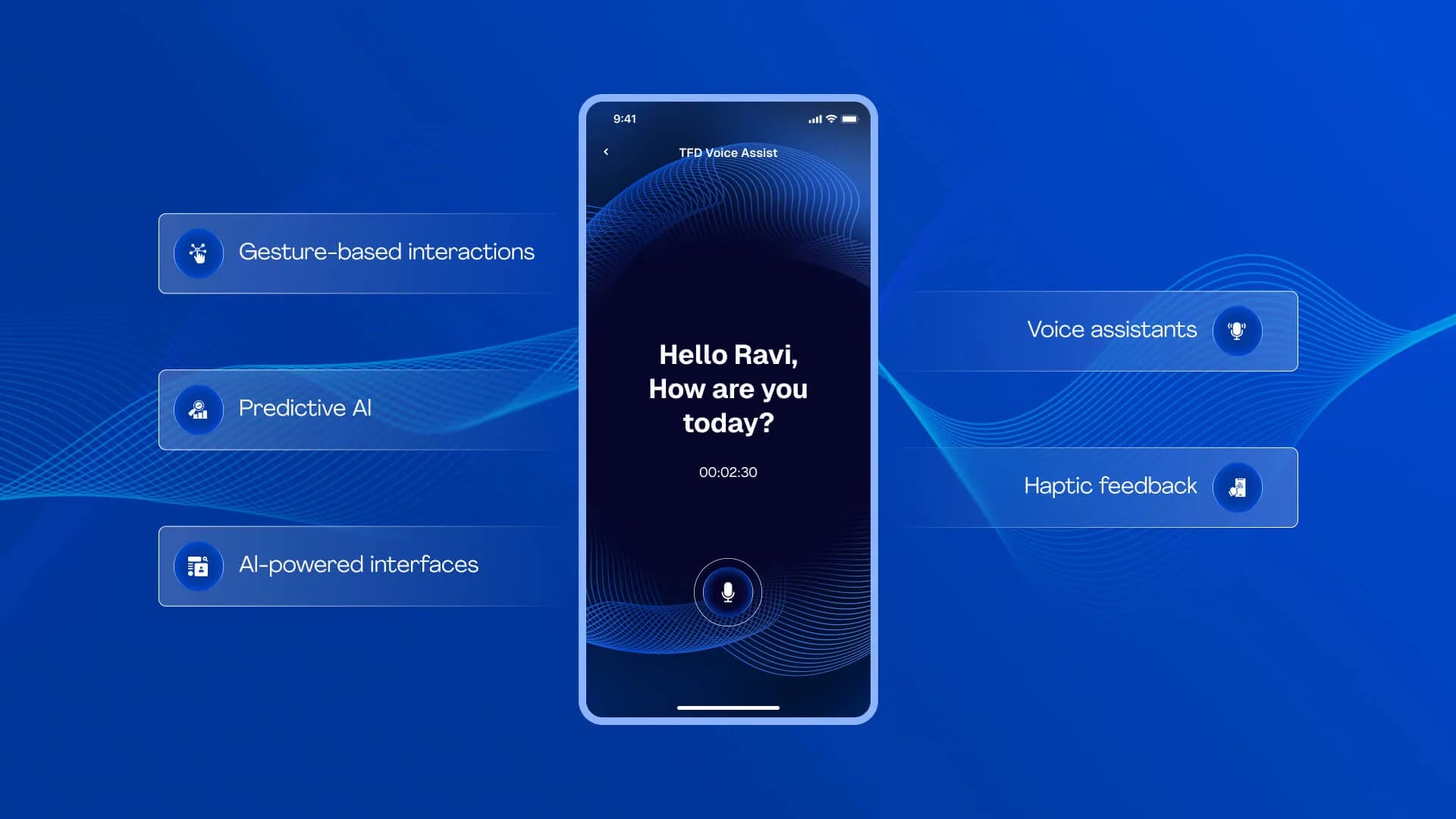
Voice and gesture zero UI interaction | Source: Thefinch
Traditional click/tap interfaces are being replaced with natural interactions such as voice, gestures, and context-aware responses. Exploring these interfaces is part of shaping the future of web design, creating seamless, organic user experiences without relying on visual elements.
The current web design trends highlighted above show that websites are moving toward flexibility, immersive experiences, and authenticity. Designers must balance aesthetics, performance, accessibility, and integration of modern technology to stay relevant.
If you want to elevate your website with modern 3D shapes, dynamic backgrounds, or subtle animations, you will not regret exploring the premium collections at Tridimensi. It guarantees to help bring your designs to life and shape the future of web design.