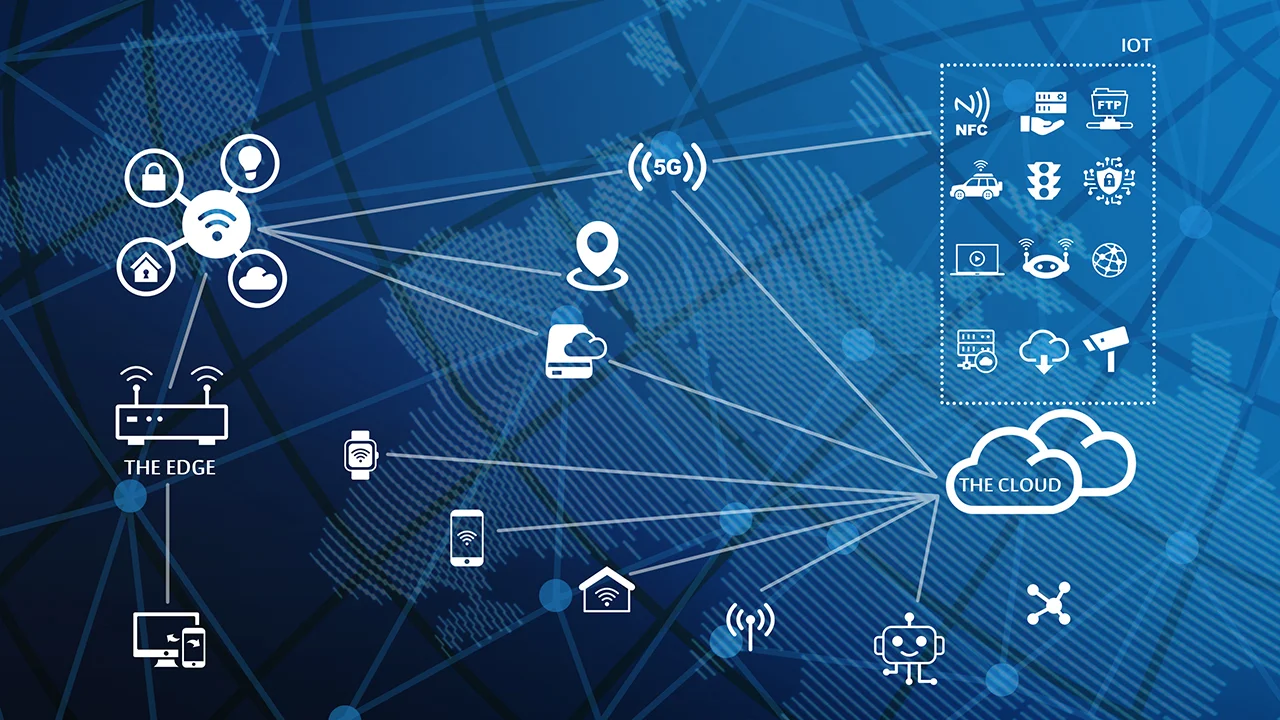
Edge computing optimizes the performance of real time technology systems as this modern technology addresses the need for fast data processing in the digital era. This technology enables systems to respond to data instantly without waiting for processing from a central server.
The growth of digital devices, smart sensors, and Internet of Things based systems increases the importance of edge computing. Data generated every second requires rapid processing to remain valuable.
Basic Concepts Of Edge Computing In Digital Infrastructure
Edge computing is a data processing method performed close to where the data is generated. This approach differs from traditional computing that fully relies on centralized servers. With local processing, system response time can be significantly reduced.
Edge computing technology is closely related to the development of modern Internet of Things ecosystems. IoT devices generate large volumes of data continuously. Without edge processing, network load would increase dramatically.
Local data processing allows systems to filter and analyze critical information immediately. Irrelevant data can be ignored before being sent to the cloud. This approach makes systems more efficient and controlled.
Edge computing also helps reduce dependence on stable internet connections. When network disruptions occur, systems can continue operating independently. This improves the overall reliability of technology infrastructure.
The edge computing approach is becoming increasingly important in modern digital ecosystems. The need for speed, efficiency, and reliability is the main driver of its adoption. Many organizations are beginning to integrate this technology into their systems.
The Role Of Edge Computing In Real Time Technology Systems
Edge computing optimizes the performance of real time technology systems by playing a crucial role in supporting systems that require rapid responses. This technology is designed to process data instantly at the nearest possible location.
1. Reducing Data Processing Latency
Edge computing processes data directly near its source. This method eliminates delays caused by transmitting data to centralized data centers. As a result, system latency can be significantly reduced.
Latency reduction is essential for real time based applications. Systems such as industrial monitoring or digital services require immediate responses. Edge computing ensures processes run without significant delays.
Fast system responses improve overall service quality. Users experience more stable and responsive services. This becomes a key advantage for modern digital platforms.
This technology also helps reduce the risk of errors caused by delayed data. Decisions can be made using the most current information. System accuracy improves consistently.
2. Improving Internet of Things Performance
Edge computing strongly supports the development of Internet of Things ecosystems. IoT devices require fast data processing to function optimally. Edge computing meets this demand effectively.
IoT data can be processed directly on devices or nearby gateways. This reduces the burden of sending all data to centralized servers. Systems become more efficient and resource friendly.
IoT device performance becomes more stable and responsive. Systems can operate smoothly even as data volume increases. This is critical for large scale IoT implementations.
Edge computing enables more structured IoT management. Each node can operate independently. IoT infrastructure becomes more flexible and easier to scale.
3. Network Bandwidth Efficiency
Edge computing helps significantly reduce network bandwidth consumption. Data is processed first before being sent to the cloud. Only essential information is transmitted.
This approach is highly beneficial for organizations with large networks. Bandwidth usage costs can be optimized effectively. Operational efficiency improves.
Reduced data traffic enhances network stability. The risk of network congestion can be minimized. Service quality remains consistent even under heavy loads.
Bandwidth efficiency also supports system scalability. Infrastructure can expand without major network upgrades. This provides long term flexibility.
4. Enhanced Data Security
Edge computing provides an additional layer of security for digital data. Sensitive data can be processed locally without being transmitted over long distances. The risk of data breaches is reduced.
Local processing lowers the risk of attacks during data transmission. Each edge node can implement its own security policies. Systems become more controlled and secure.
Edge computing also supports compliance with data regulations. Personal information can be stored and processed within specific regions. User privacy protection becomes more effective.
Improved security increases user trust. Organizations can maintain data integrity more efficiently. This is essential in the modern digital era.
5. Supporting Critical Real Time Applications
Critical real time applications depend heavily on system speed and reliability. Edge computing enables instant decision making. This is vital for safety and healthcare systems.
In the healthcare sector, edge computing supports real time patient monitoring. Vital data is processed without delay. Medical actions can be taken faster.
In autonomous vehicles, edge computing processes sensor data in real time. Navigation decisions must be made within milliseconds. System reliability becomes a key safety factor.
Edge computing ensures critical applications remain stable. Dependence on cloud services can be reduced. Systems become more secure and responsive.
Conclusion
Edge computing becomes a strategic solution for improving the performance of real time technology systems. Processing data close to its source delivers high speed, efficiency, and reliability. This technology is highly relevant in the modern digital era.
With integration across IoT and cloud computing, edge computing continues to evolve. Its implementation helps organizations address real time data challenges. Edge computing becomes a key pillar of future technology transformation.