SPECIAL OFFER ✦ BUY 2 GET 1 FREE! ✦ ADD 3 PRODUCTS TO YOUR CART, AND THE DISCOUNT APPLIES AUTOMATICALLY!
SPECIAL OFFER ✦ BUY 2 GET 1 FREE! ✦ ADD 3 PRODUCTS TO YOUR CART, AND THE DISCOUNT APPLIES AUTOMATICALLY!
SPECIAL OFFER ✦ BUY 2 GET 1 FREE! ✦ ADD 3 PRODUCTS TO YOUR CART, AND THE DISCOUNT APPLIES AUTOMATICALLY!
SPECIAL OFFER ✦ BUY 2 GET 1 FREE! ✦ ADD 3 PRODUCTS TO YOUR CART, AND THE DISCOUNT APPLIES AUTOMATICALLY!
Not all visuals speak the same language, and that’s the magic of illustration. By mastering different illustration styles, designers can transform simple ideas into visuals that inspire curiosity, emotion, and memorable brand impact. From sleek digital graphics to hand-drawn textures, illustration can be a powerful tool for storytelling and branding.
In this article, we’ll look at a variety of styles and how each one aligns with different creative visions, audiences, and project identities.
Key takeaways:
Understanding different illustration styles helps creators match visuals to brand personality and message.
Each style offers a unique emotional impact, from modern minimalism to nostalgic hand-drawn aesthetics.
Choosing the right illustration style strengthens storytelling and enhances audience engagement across digital and print platforms
10 Powerful Illustration Styles to Elevate Your Visual Storytelling
Each style offers unique strengths for visual communication, helping creators shape tone, clarity, and emotional connection. By choosing the right direction, designers and brands can elevate meaning beyond visuals alone. Ready to dive into the full list? Let’s explore them one by one
1. Flat Illustration
Popular Flat Illustration (Source: Freepik)
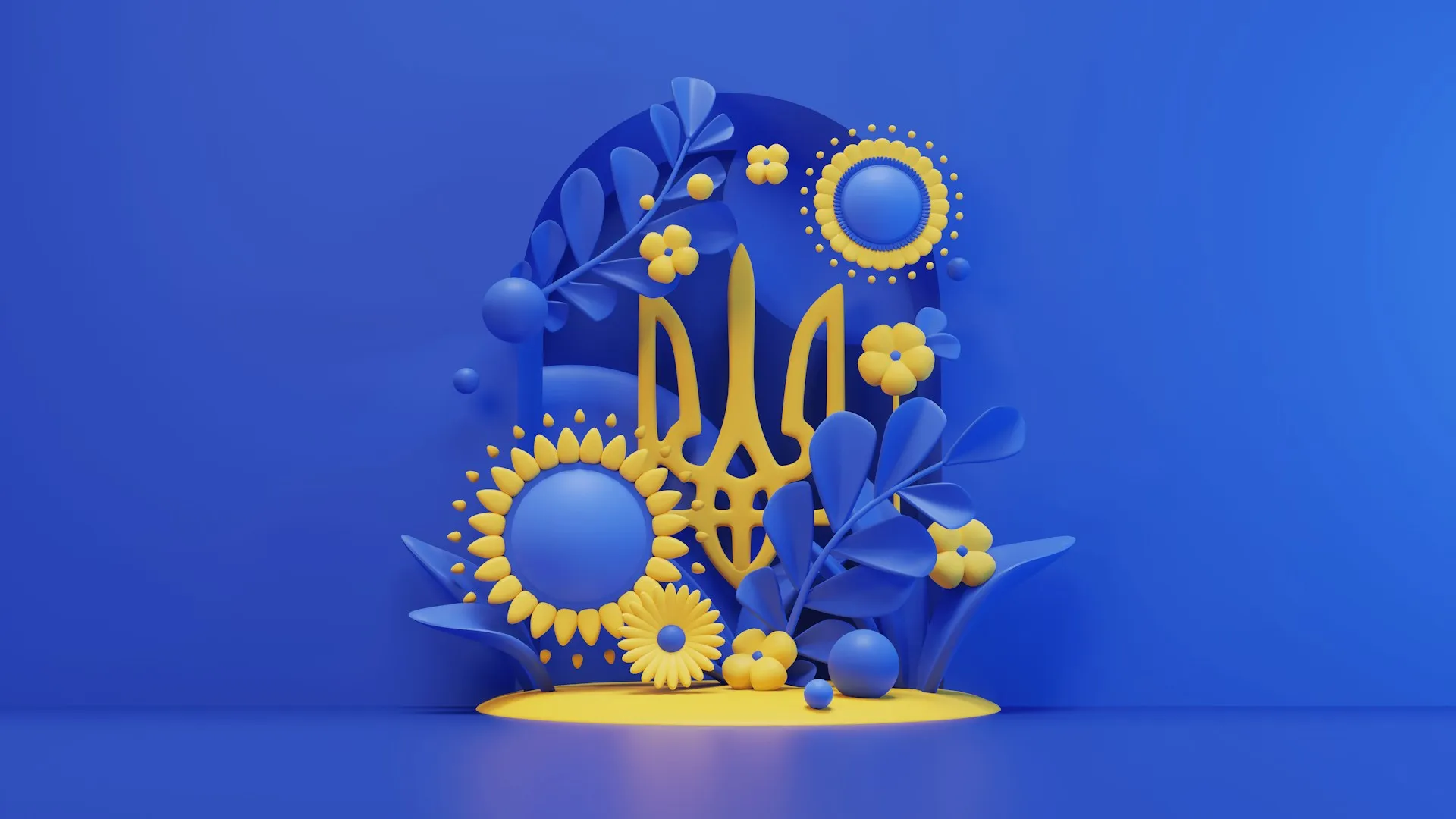
Flat illustration focuses on clean geometry, solid blocks of colour, and minimal detail, making it one of the most widely recognised illustration styles in modern digital design. It is highly effective for branding, tech startups, and app interfaces because it communicates ideas quickly without visual noise.
3D illustration introduces volume, light, and texture, creating immersive visuals that captivate audiences. It’s particularly powerful for digital advertising and futuristic product presentation, especially as popular illustration techniques for digital artists continue to evolve alongside AR and VR.
Characteristics:
Realistic light and shadow
Volumetric forms and spatial depth
Detailed materials and surfaces
Dramatic perspective and environment
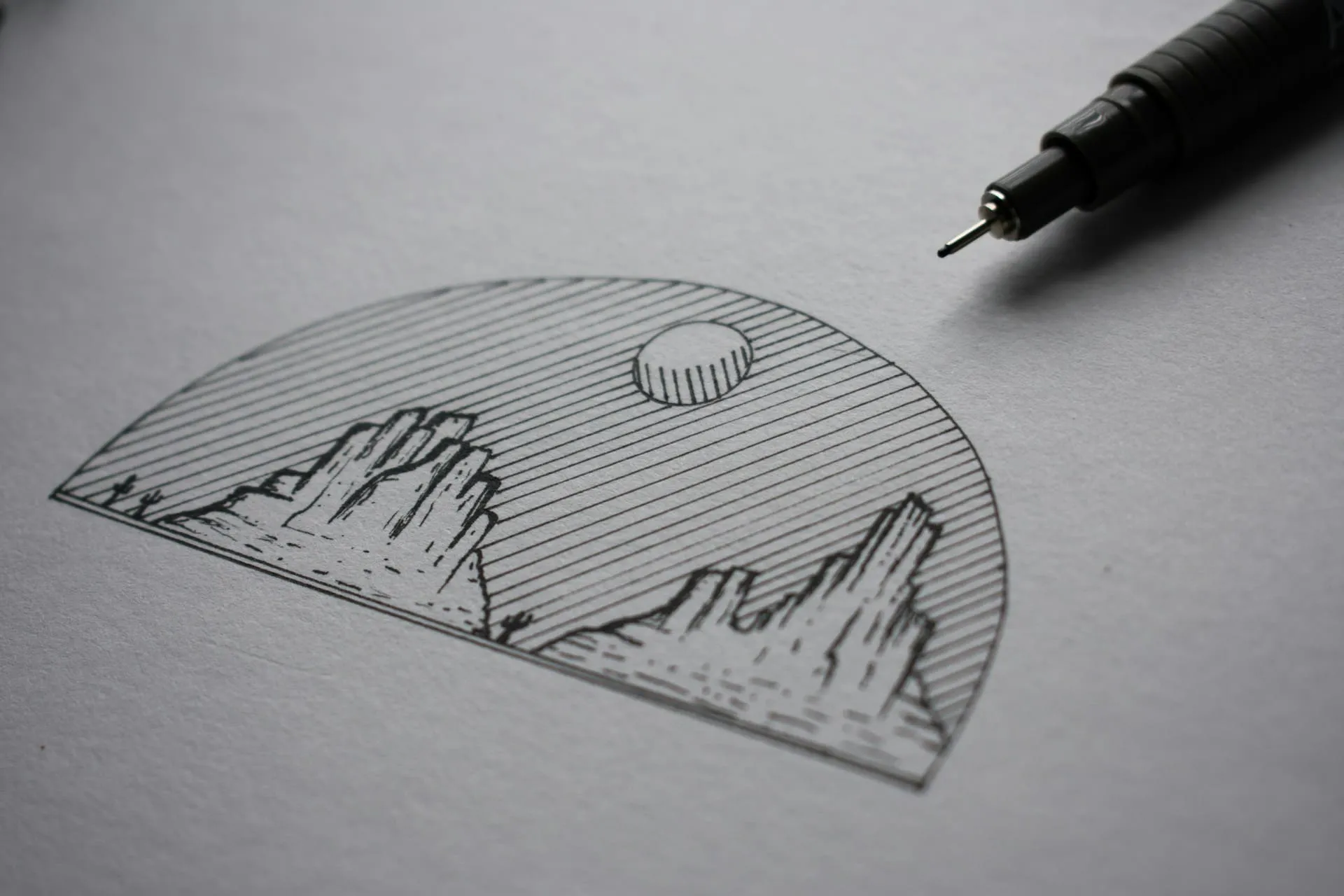
3. Line Art
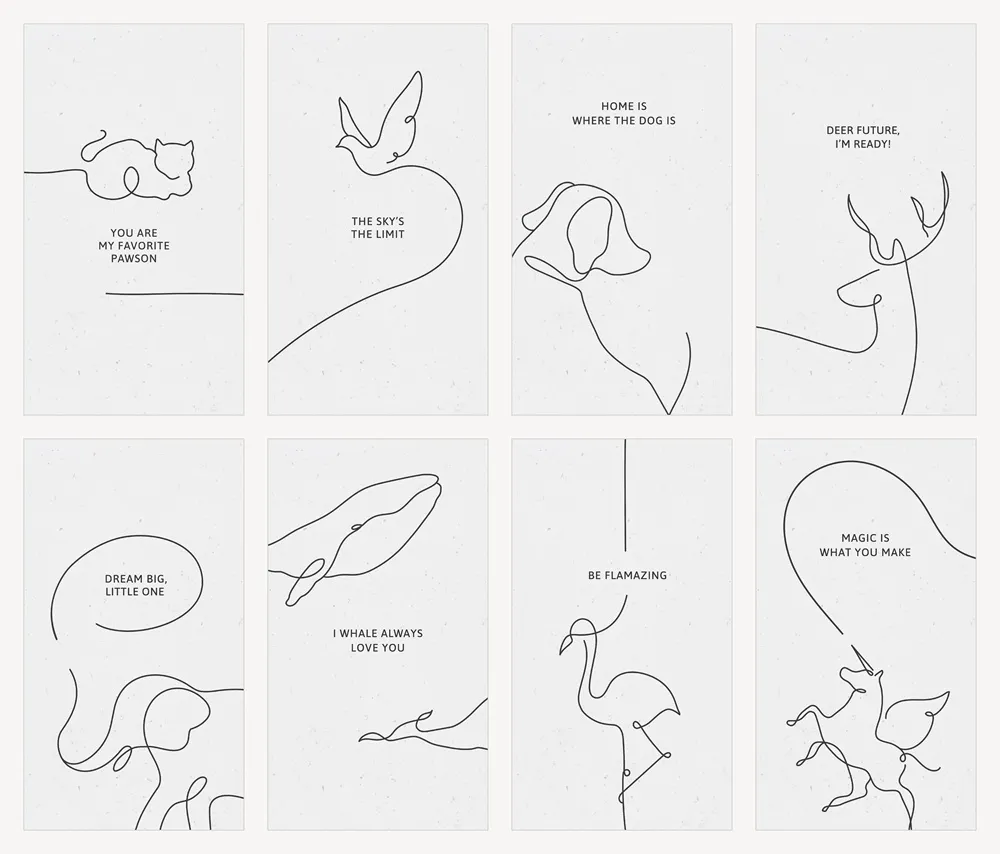
Simplistic Line Art (Source: Freepik)
Line art relies on precise strokes, curves, and contours rather than colour or shading, making it ideal for editorial pieces and elegant visual storytelling. This approach suits brands that value refinement and minimalism, demonstrating how different types of illustration styles can communicate sophistication without complexity.
Characteristics:
Strong emphasis on contour lines
Minimal shading or colour
Use of negative space
Hatching and strokes for texture
4. Minimalism
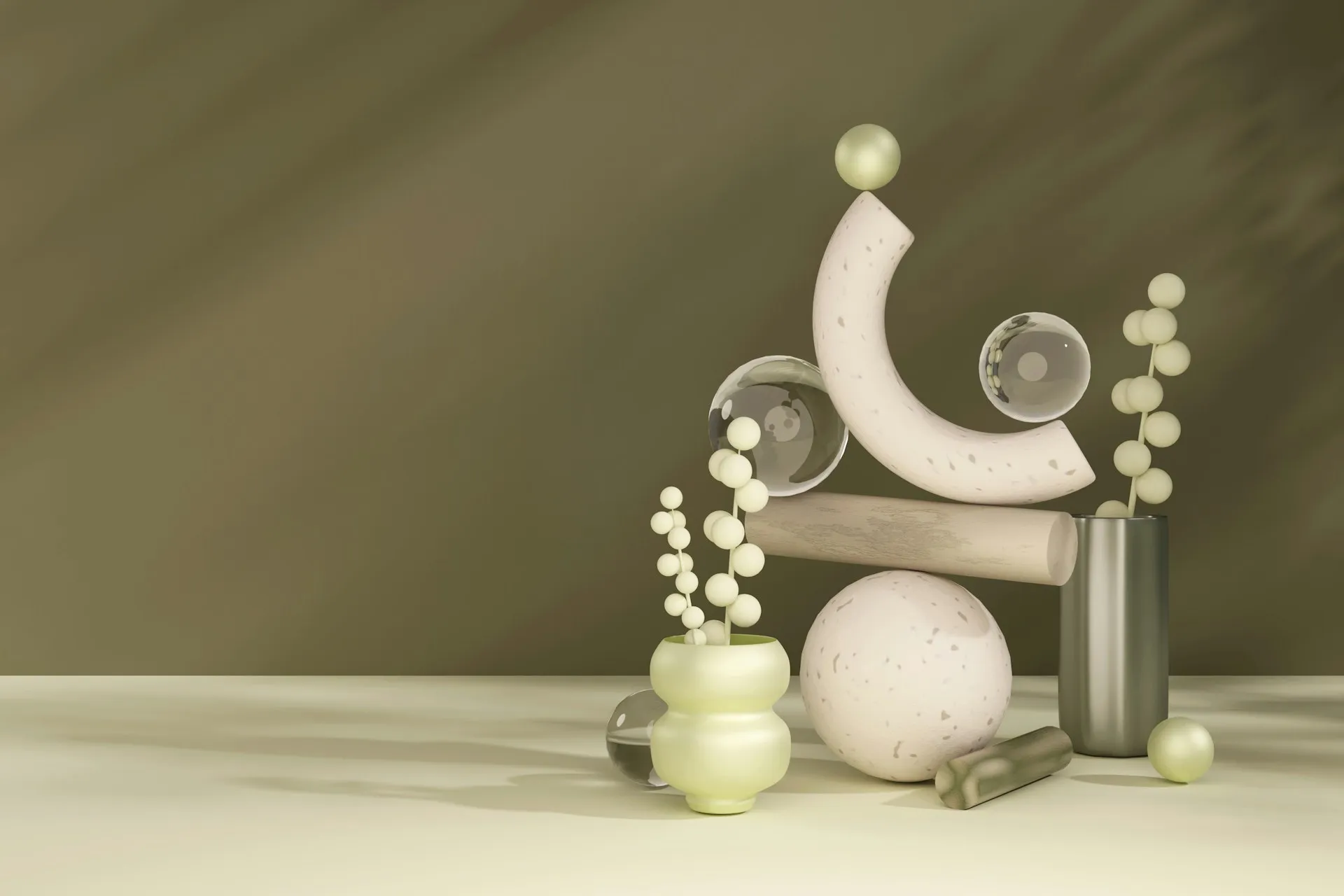
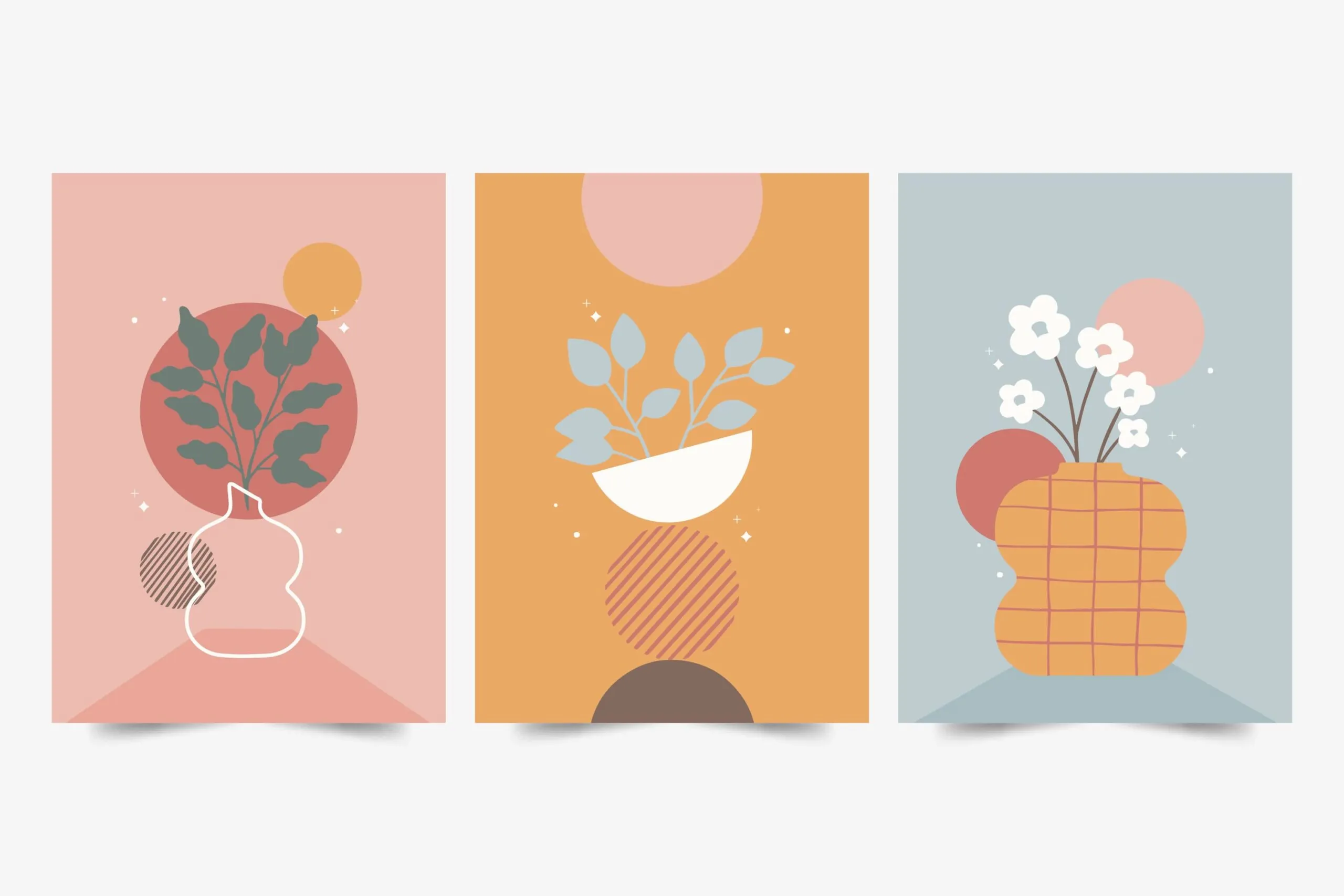
Pastel Minimalism Illustrations (Source: Freepik)
Minimalist illustration removes unnecessary detail and focuses entirely on essential shapes and balanced compositions. It’s widely used in contemporary branding and product campaigns where clarity, modernity, and visual calm are the priority.
Characteristics:
Simple shapes and grids
Light or neutral palettes
Clean typography and space
Focus on the core message
5. Vintage Illustration
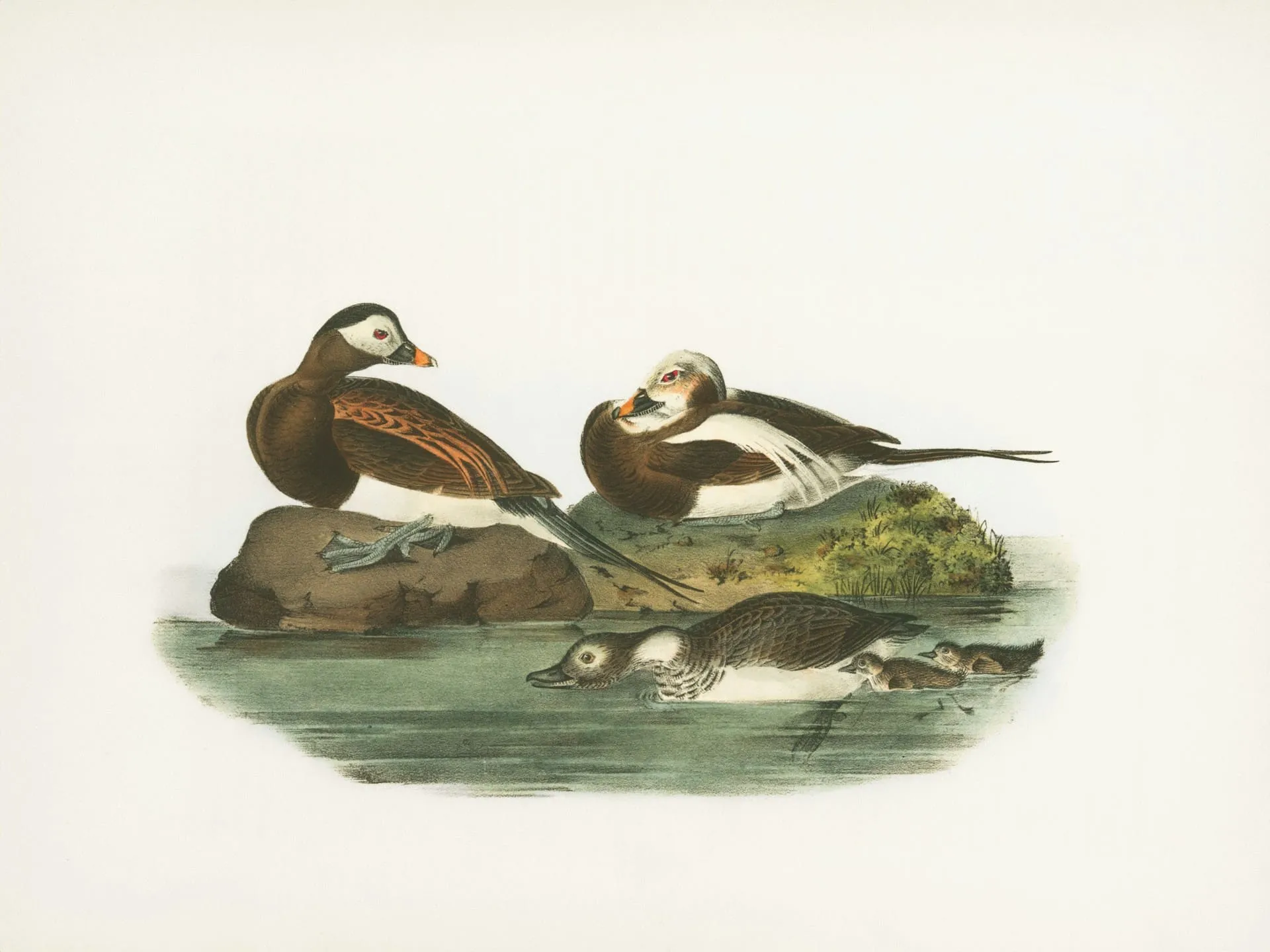
Animals in Vintage Illustration (Source: Unsplash)
Vintage illustration uses muted tones, textured surfaces, and hand-drawn qualities to evoke nostalgia and authenticity. Many heritage brands and lifestyle companies choose this approach because it emotionally connects audiences to tradition, story, and history.
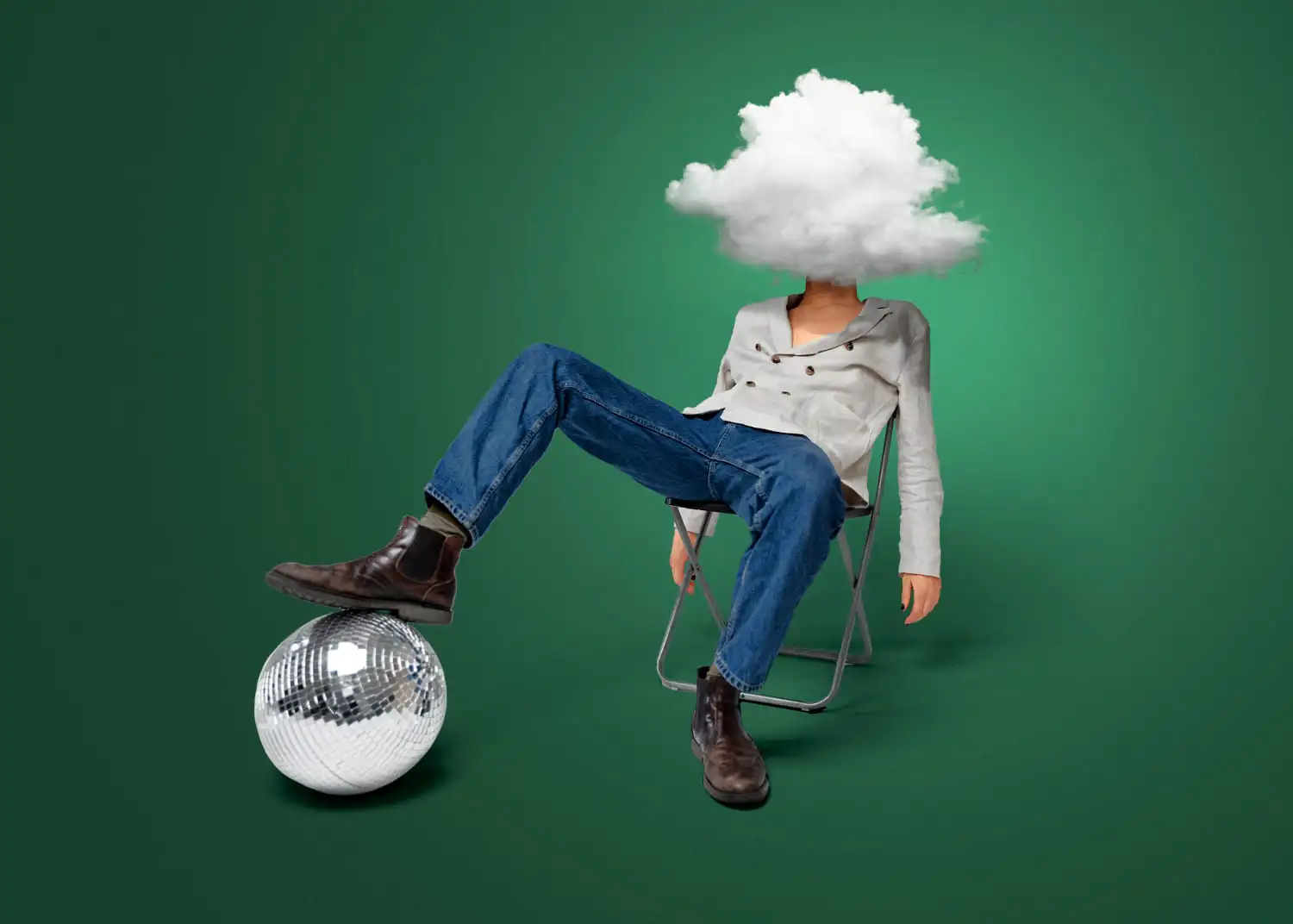
Surrealist illustration blends dreamlike compositions with imagination and symbolic storytelling, often bending rules of physics and reality. This style is ideal for campaigns and artworks seeking bold conceptual impact, offering unique art styles that inspire illustrators to challenge conventions.
Characteristics:
Unusual juxtapositions
Dreamlike or symbolic elements
Distorted scale and physics
Psychological or imaginative tone
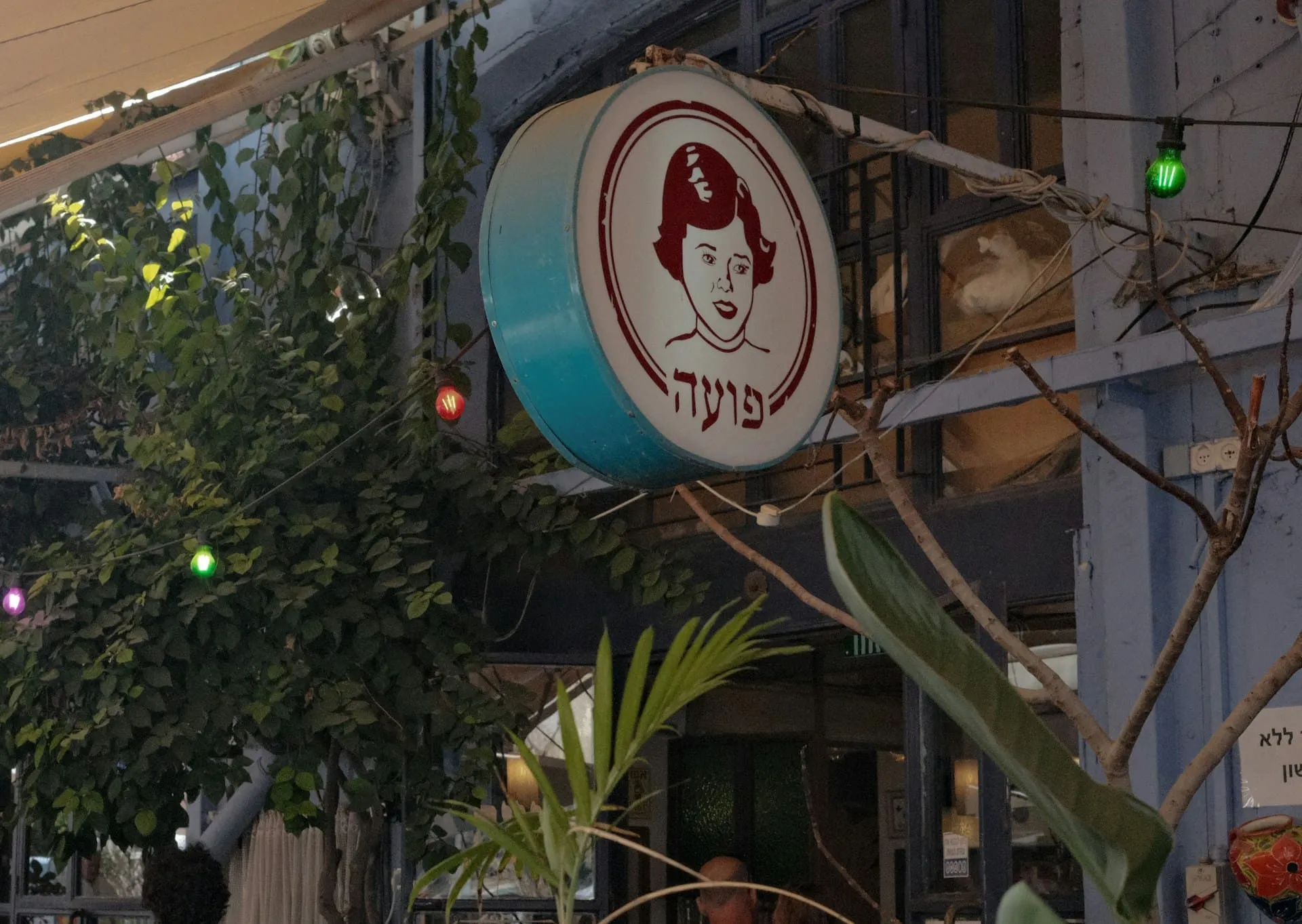
7. Hand-Drawn Style
Natural, Hand-drawn art (Source: Unsplash)
Among other illustration styles, hand-drawn illustration focuses on natural imperfections, organic strokes, and expressive texture, celebrating the human touch behind the artwork. It works beautifully for artisanal products, playful branding, and anything that needs authenticity and emotional warmth.
Retro illustration embraces vibrant colours, geometric shapes, and bold typography inspired by the 1960s–80s design era. It resonates strongly with audiences drawn to nostalgic pop culture aesthetics, making it a playful and memorable direction for packaging and lifestyle branding.
Characteristics:
Bright, contrasting colours
Funky retro type and symbols
Stylised figures and shapes
Nostalgic printed-poster aesthetic
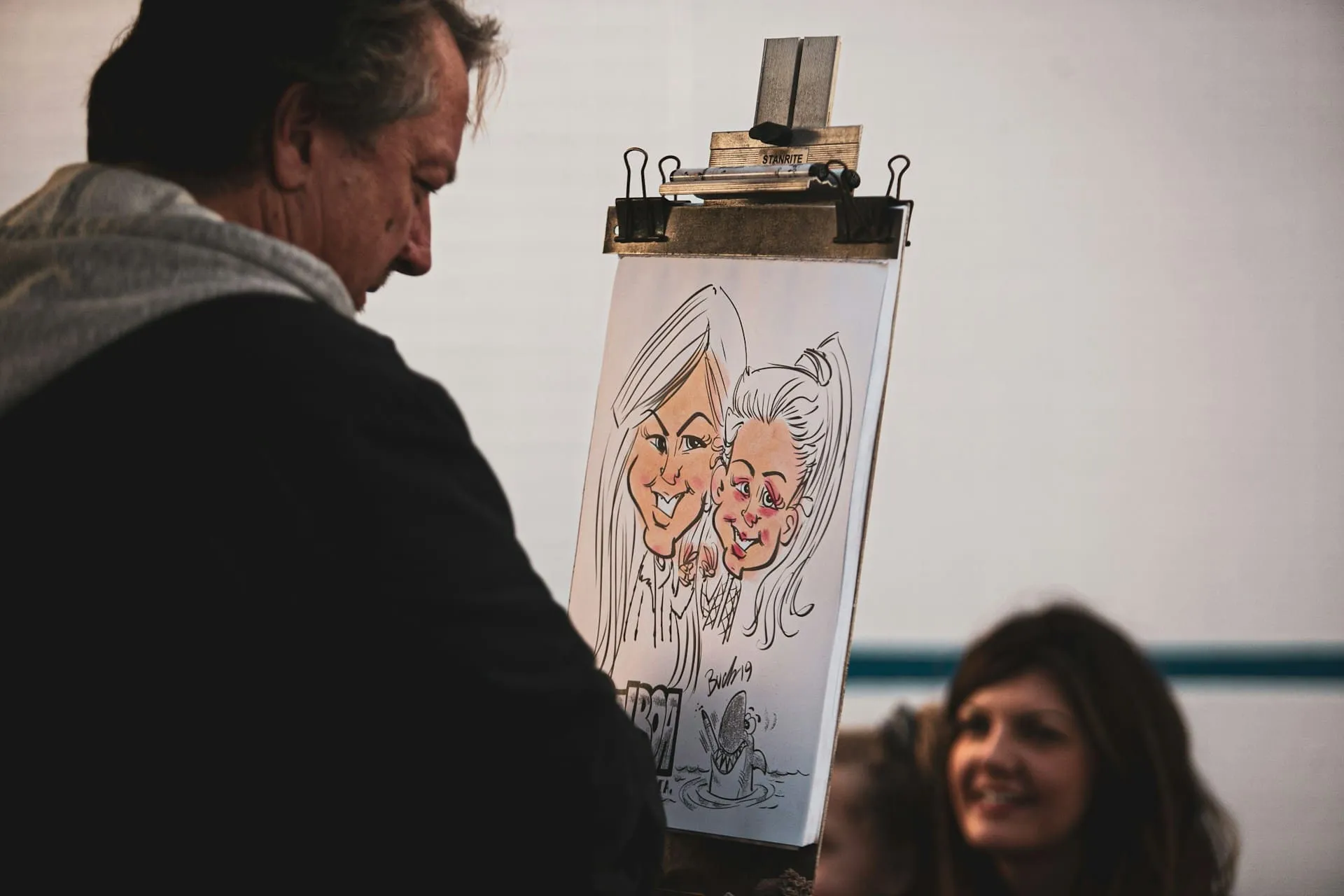
9. Caricature
Exaggerated caricature (Source: Unsplash)
Caricature exaggerates physical features and expressions to create humor, satire, or storytelling personality. It remains popular in editorial illustration and event entertainment because instantly recognisable exaggeration increases emotional connection and audience engagement.
Characteristics:
Exaggerated proportions
Expressive faces and gestures
Bold lines and energetic layout
Humorous tone
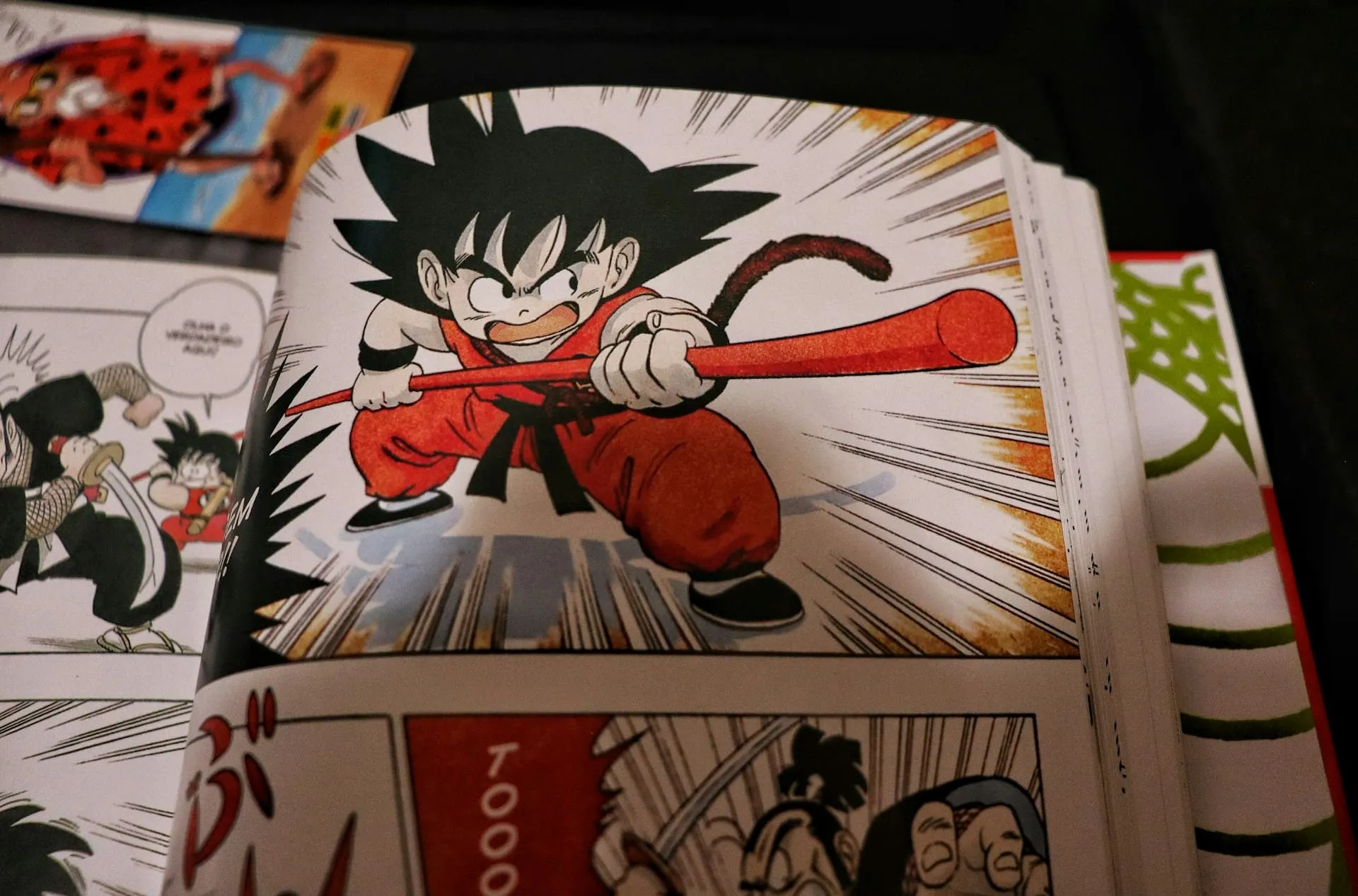
10. Comic Book Art
Comic Book visual (Source: Unsplash)
Comic book illustration uses sequential layout, dynamic poses, and bold lines to convey narrative action and emotion. Brands and visual storytellers continue exploring this energetic segment within illustration styles, especially where excitement, movement, and character-driven identity are essential to the message.
Ready to Try These Illustration Styles in Your Next Project?
Exploring different styles is a chance to find and spread your creative scope. Let curiosity lead your hands and allow mistakes to grow into masterpieces. Experiment boldly, mix techniques freely, and trust that every stroke is shaping your unique artistic journey. The world is waiting to see your vision.
As you explore these illustration styles, visit Tridimensi! Here, we provide cool animations, premium assets, and immersive backgrounds to elevate your projects. Let our resources help transform your ideas into stunning visual experiences that feel truly alive.