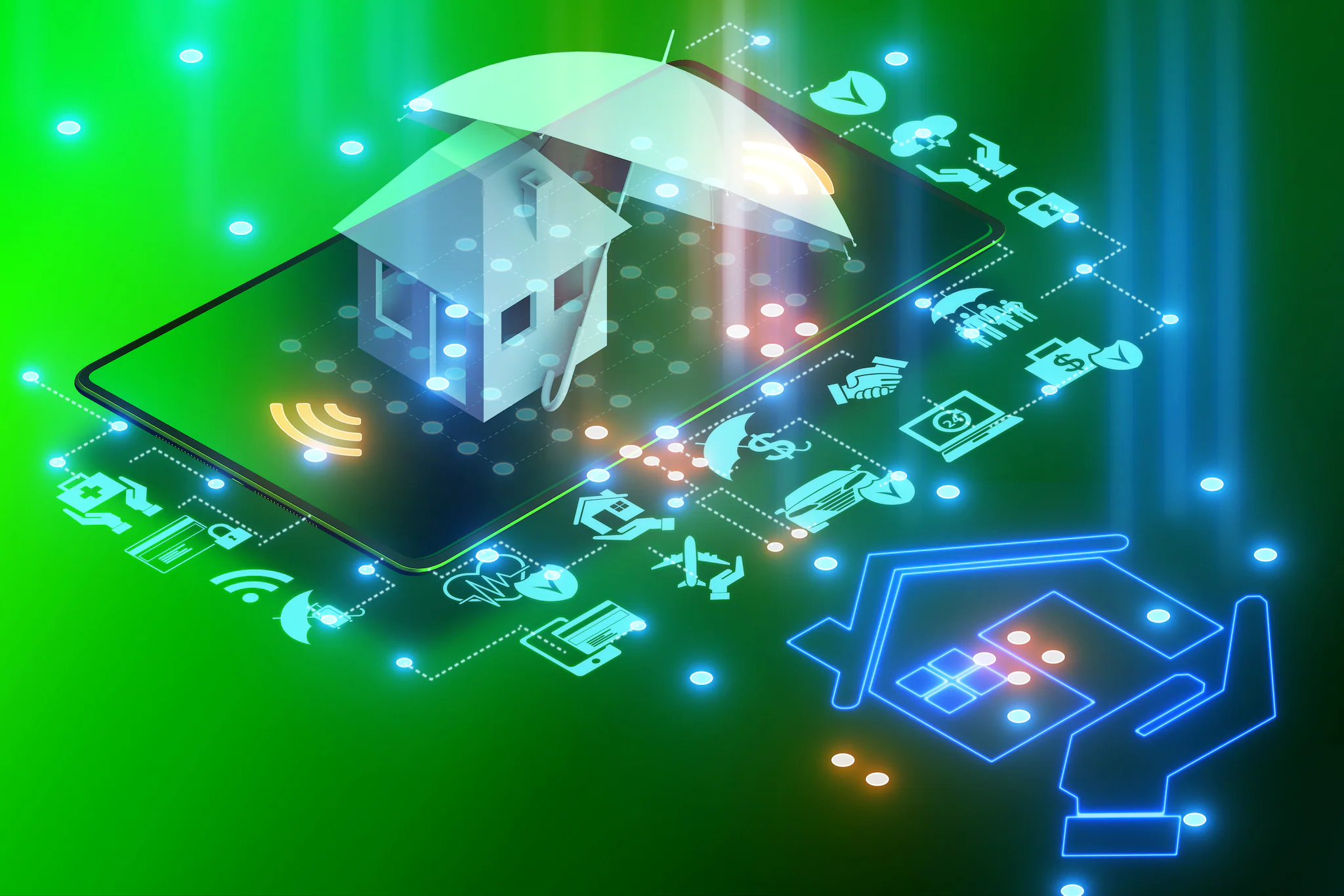
The Internet of Things is driving the transformation of smart home technology. This technology allows various devices to connect and communicate automatically, creating an efficient and responsive smart home ecosystem.
IoT devices support the automation of daily tasks, increase comfort, and simplify real time home monitoring. This innovation not only influences lifestyle changes but also improves energy efficiency and security in modern homes.
The Role Of IoT In Smart Home Transformation
IoT creates a smarter home environment through automated monitoring and control. Household devices can interact with each other to enhance comfort. This system simplifies effective home management.
IoT sensors help monitor environmental conditions such as temperature, humidity, and lighting. The collected data enables systems to optimize energy usage. This drives efficiency and reduces household operational costs.
IoT technology also supports home security through smart cameras, motion sensors, and automated alarms. Homeowners can monitor their property in real time through applications. The risk of theft and fire can be significantly reduced.
IoT devices are integrated with virtual assistants to enable convenient voice control. Users can turn devices on or off without touching buttons. The smart home experience becomes more intuitive and enjoyable.
The implementation of IoT encourages the development of sustainable smart home ecosystems. Collected data can be analyzed to improve device performance. Devices become more adaptive to the needs of residents.
Benefits And Impact Of IoT On Smart Homes
The benefits and impact of IoT on smart homes are clearly seen through the transformation of traditional houses into intelligent digital environments. This technology improves energy efficiency and simplifies the automation of various household devices.
1. Energy Efficiency
IoT devices optimize the use of electricity, water, and other energy sources. Sensors detect usage and automatically regulate consumption. This reduces waste and lowers monthly costs.
Real time energy monitoring helps residents understand usage patterns. This data can be used to adjust habits toward more efficient consumption. Household efficiency increases significantly.
The automation of devices such as lighting and air conditioning reduces consumption when not needed. Systems adjust room conditions based on occupant presence. Energy is used only when necessary.
The integration of IoT with smart meter systems enables more accurate energy reporting. Users can review daily and monthly consumption. System maintenance also becomes easier.
2. Security and Real Time Monitoring
IoT introduces interconnected cameras, motion sensors, and alarms. Homeowners can monitor their property in real time via smartphones. Responses to threats become faster.
Systems can send notifications when suspicious activity is detected. Homeowners can immediately take preventive actions. Home security improves significantly.
IoT devices can operate automatically, such as turning on lights when motion is detected. This reduces the risk of unauthorized entry. Homes become safer without manual intervention.
Integration with professional security services enables 24/7 monitoring. Sensor data can be forwarded to monitoring centers. Emergency responses can be faster and more effective.
3. Comfort and Automation
IoT enables automatic control of lighting, curtains, air conditioning, and other household devices. Users can adjust settings through applications or voice commands. Daily activities become more convenient.
IoT systems can learn occupant habits and adjust settings automatically. Homes adapt to resident routines. Comfort increases without manual configuration.
Integration with virtual assistants simplifies device management. Voice commands can turn specific devices on or off. The smart home experience becomes more intuitive and interactive.
Data from IoT devices can be analyzed to enhance comfort and efficiency. Systems provide recommendations for optimal adjustments. Smart homes become increasingly adaptive to resident needs.
4. Device Maintenance and Management
IoT simplifies monitoring the condition of smart home devices. Sensors can detect damage or declining performance. Repairs can be carried out earlier before serious failures occur.
Real time data enables predictive maintenance for devices. This prevents sudden breakdowns and extends device lifespan. Users save more on repair costs.
Automated systems send alerts when devices require maintenance. Notifications are delivered instantly to user applications. Device management becomes more efficient.
Maintenance integration with IoT platforms enables centralized monitoring. All devices can be observed from a single dashboard. Smart home management becomes easier and more effective.
5. Integration with Smart Cities
IoT in homes can connect with smart city infrastructure. Urban transportation, energy, and environmental systems can interact with residential homes. Resident efficiency and comfort increase.
Data from smart homes can help cities manage resources more effectively. Energy, water, and waste consumption can be monitored. Urban environments become more sustainable and efficient.
Integration with public services improves emergency response. Examples include fire detection or natural disaster alerts. Coordination between homes and city authorities becomes faster.
Homeowners can use smart city applications to optimize daily activities. Digital interaction with public services becomes seamless. Urban life becomes more intelligent.
Conclusion
The Internet of Things drives the transformation of home technology to become more efficient, secure, and comfortable. This technology supports automation, energy savings, and real time monitoring.
With the integration of AI, smart cities, and data analysis, IoT based smart homes will become increasingly adaptive. Modern life becomes more efficient, comfortable, and sustainable through digital technology.