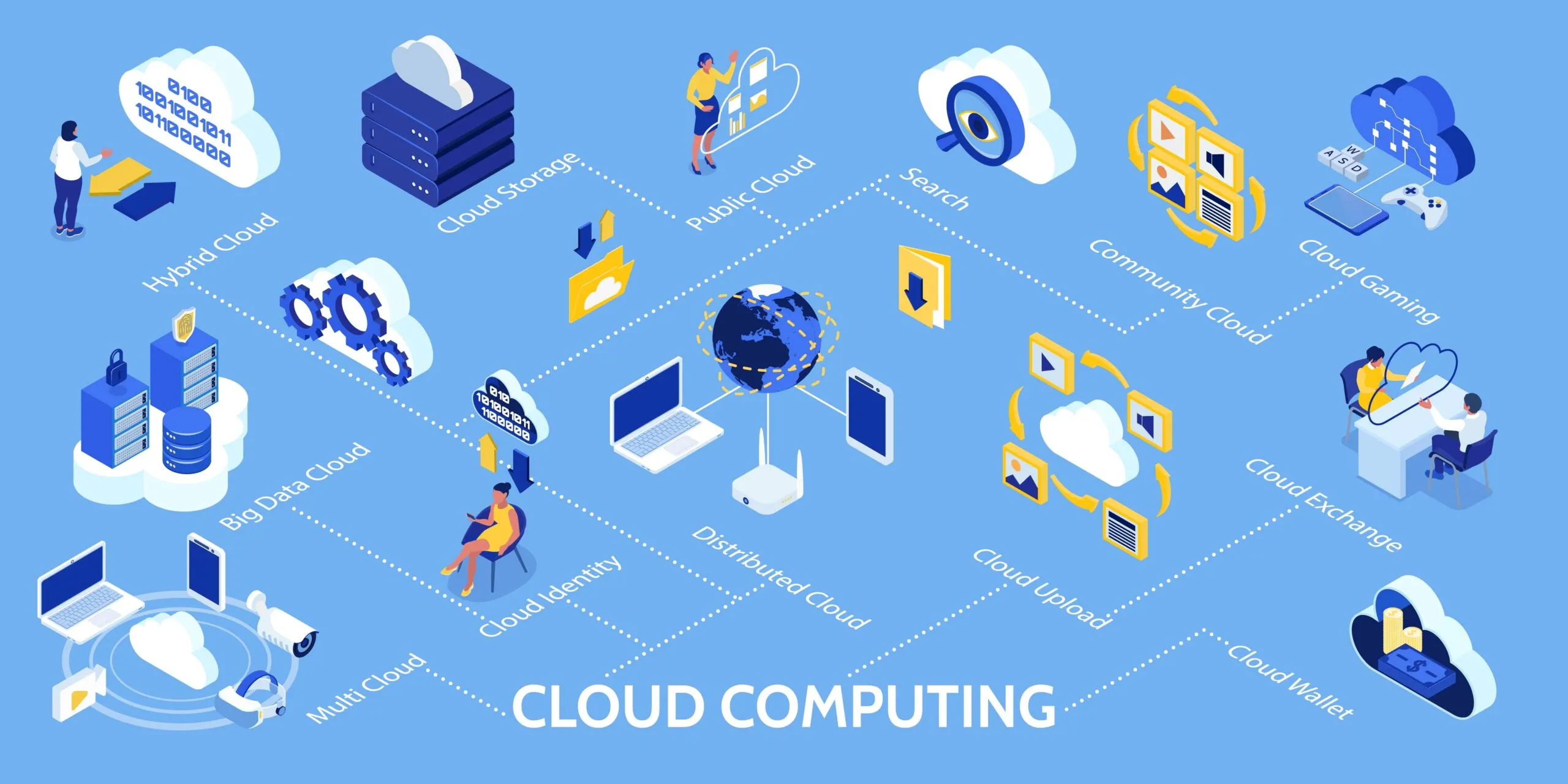
Cloud computing is rapidly evolving as a strategic solution to improve the efficiency of modern corporate technology infrastructure. This technology enables more flexible system management. Companies can dynamically adjust resource requirements.
Changes in digital business patterns demand efficient and adaptive technology infrastructure. Cloud computing addresses these needs. Access to technology becomes faster, more secure, and more scalable.
Cloud Computing As The Foundation Of Modern Technology Infrastructure
Cloud computing has become the main foundation of corporate technology infrastructure due to its ability to unify systems, data, and applications within a single integrated ecosystem. Technology management becomes more centralized. Operational efficiency increases.
The utilization of cloud computing to improve the efficiency of corporate technology infrastructure helps companies reduce the complexity of traditional infrastructure. Systems no longer rely on local servers. Maintenance costs can be significantly reduced.
The speed of technological innovation increases through cloud computing. System updates can be performed automatically. Companies can adapt more quickly to market changes.
Cloud computing also supports cross department and multi location collaboration. Data can be accessed in real time. Overall work productivity improves.
With a strong cloud foundation, companies gain stable and sustainable technology infrastructure. The risk of system disruptions decreases. Business competitiveness increases.
Implementation Of Cloud Computing In Corporate Infrastructure
The implementation of cloud computing requires the right strategy to deliver maximum impact on the efficiency of corporate technology infrastructure. Choosing the appropriate service model is a critical factor. Alignment with business needs must be considered.
1. Cost Efficiency of Technology Infrastructure
Cloud computing helps companies reduce initial investments in hardware. Subscription based systems provide greater flexibility. Technology costs become more controlled.
Pay as you use models allow companies to avoid resource waste. IT budgets can be allocated more effectively. Financial efficiency improves.
Reduced internal server maintenance costs are a major advantage of cloud computing. IT teams are not burdened with routine tasks. Focus can shift toward system development.
This cost efficiency supports long term company growth. Funds can be directed toward innovation. Technology infrastructure remains optimal.
2. Scalability of Cloud Based Infrastructure
Cloud computing enables companies to adjust infrastructure capacity quickly. Additional resources can be provisioned instantly. Systems scale according to operational needs.
This scalability is crucial during spikes in business activity. System performance remains stable. User experience is maintained.
Companies no longer need to worry about physical server capacity limitations. Cloud infrastructure is elastic. Technological flexibility increases.
With high scalability, companies are better prepared for market changes. Operations continue smoothly. The risk of system disruption is minimized.
3. Accessibility of Corporate Data and Systems
Cloud computing enables access to data and applications from multiple locations. Internet based systems support workforce mobility. Team collaboration improves.
Employees can work flexibly without technical barriers. Productivity remains consistent. Business processes become more efficient.
Centralized access simplifies corporate data management. Information stays up to date. Errors caused by unsynchronized data can be prevented.
High accessibility supports modern work models. Companies become more adaptive. Operational efficiency increases consistently.
4. Data Security in Cloud Environments
Cloud computing provides advanced multi layered data security systems. Data encryption is implemented comprehensively. The risk of data breaches is reduced.
Cloud service providers apply international security standards. Continuous system monitoring is conducted. Cyber threats can be detected early.
Centralized security simplifies user access control. Sensitive data is better protected. Stakeholder trust increases.
With optimal security, companies can focus on business development. Technology risks are minimized. System stability is maintained.
5. Efficiency in IT Infrastructure Management
Cloud computing simplifies the management of corporate IT infrastructure. Systems are centrally managed by service providers. The operational burden on IT teams decreases.
Software updates are performed automatically without major disruptions. System downtime can be minimized. Business operations continue smoothly.
Centralized management enables rapid response to technical issues. Disruptions can be resolved promptly. System performance remains optimal.
Management efficiency supports company growth. Infrastructure is always ready for use. Maintenance costs are lower.
6. Cloud Support for Digital Transformation
Cloud computing is a key driver of digital transformation in modern enterprises. System integration becomes faster. Technological innovation is easier to implement.
Cloud technology supports real time data utilization. Business analytics become more accurate. Decision making quality improves.
Digital transformation increases business process efficiency. Operations become more modern. Customer experience improves.
Cloud computing accelerates company adaptation to new technologies. Competitiveness increases. Sustainable innovation is achieved.
7. Flexibility of Cloud Based Work Models
Cloud computing supports flexible corporate work models. Systems can be accessed remotely. Hybrid work becomes more effective.
Employees remain productive without physical location constraints. Digital collaboration runs smoothly. Team communication becomes more efficient.
This flexibility increases employee satisfaction and performance. Work efficiency is maintained. Companies become more adaptive.
Flexible work models support operational sustainability. Business activities remain uninterrupted. Productivity increases steadily.
Conclusion
Cloud computing plays a critical role in improving the efficiency of modern corporate technology infrastructure. Flexibility, security, and scalability are its key advantages. Digital transformation progresses optimally.
With proper cloud computing adoption, companies can enhance competitiveness and operational efficiency. Technology infrastructure becomes more adaptive. Business sustainability can be maintained.