SPECIAL OFFER ✦ BUY 2 GET 1 FREE! ✦ ADD 3 PRODUCTS TO YOUR CART, AND THE DISCOUNT APPLIES AUTOMATICALLY!
SPECIAL OFFER ✦ BUY 2 GET 1 FREE! ✦ ADD 3 PRODUCTS TO YOUR CART, AND THE DISCOUNT APPLIES AUTOMATICALLY!
SPECIAL OFFER ✦ BUY 2 GET 1 FREE! ✦ ADD 3 PRODUCTS TO YOUR CART, AND THE DISCOUNT APPLIES AUTOMATICALLY!
SPECIAL OFFER ✦ BUY 2 GET 1 FREE! ✦ ADD 3 PRODUCTS TO YOUR CART, AND THE DISCOUNT APPLIES AUTOMATICALLY!
According to CGIBackgrounds, incorporating 3D content into product pages can lead to a 94% increase in conversion rates. This data shows the strong potential of three-dimensional visuals in digital marketing. That is why learning how to make 3D web design is essential for brands competing in crowded markets.
As web technologies continue to evolve, the barrier to entry for 3D web design keeps lowering. Designers and developers can now implement immersive visuals without sacrificing performance. This guide provides a practical roadmap for integrating 3D elements effectively.
Key Takeaways:
3D web design utilizes spatial depth to increase user engagement and significantly boost conversion rates for e-commerce platforms.
Successful implementation requires a balance between high-quality visual renders and technical performance to maintain fast page loading speeds.
Modern tools like Three.js and WebGL allow for interactive and animated elements that respond directly to user scroll or cursor movements.
Understanding the Foundations of Spatial Web Interfaces
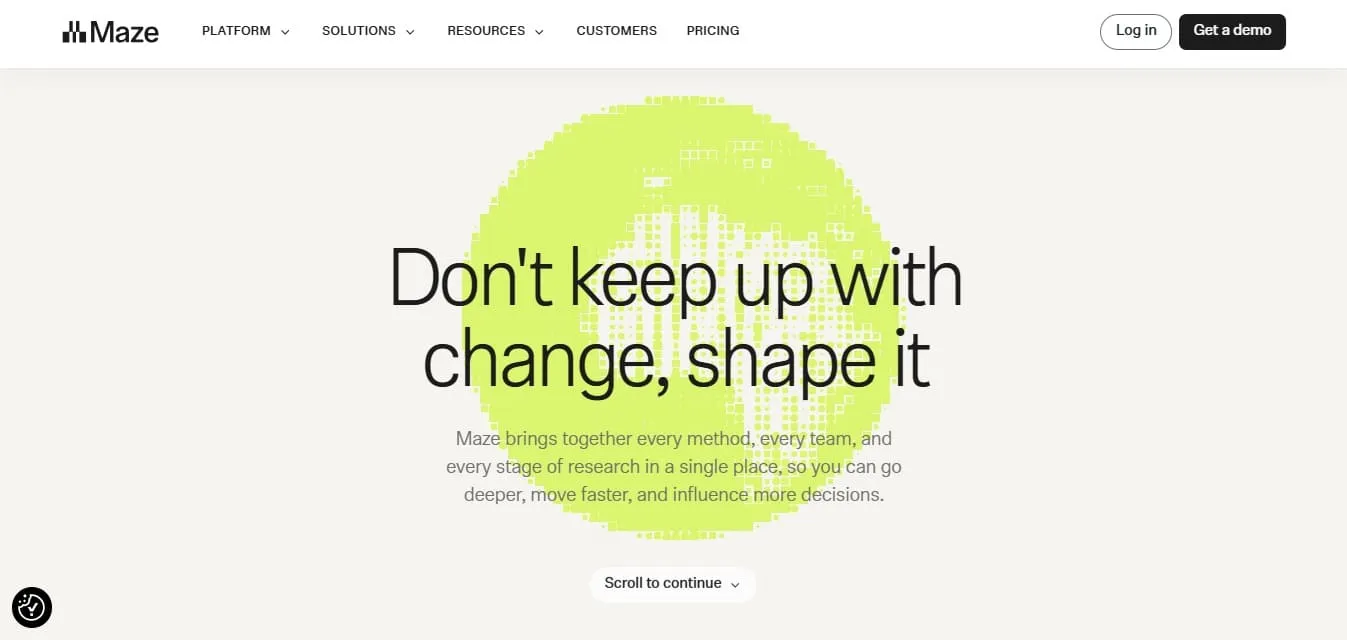
Maze website hero section with a lime green 3D sphere on a light gray background | Source: Maze.co
When learning how to make 3D web design, you will encounter several types of 3D integration used in modern websites. Each approach serves a different purpose based on performance needs, user interaction, and visual goals.
Static 3D: Fixed 3D renders that are used as images or backgrounds to add depth and visual interest. Best suited for hero sections and landing pages.
Interactive 3D: User-controlled objects that can be rotated, zoomed, or dragged. Helps users explore products in detail and increases confidence.
Animated 3D: 3D elements that move automatically or react to scrolling and cursor actions. Used to guide attention and support visual storytelling.
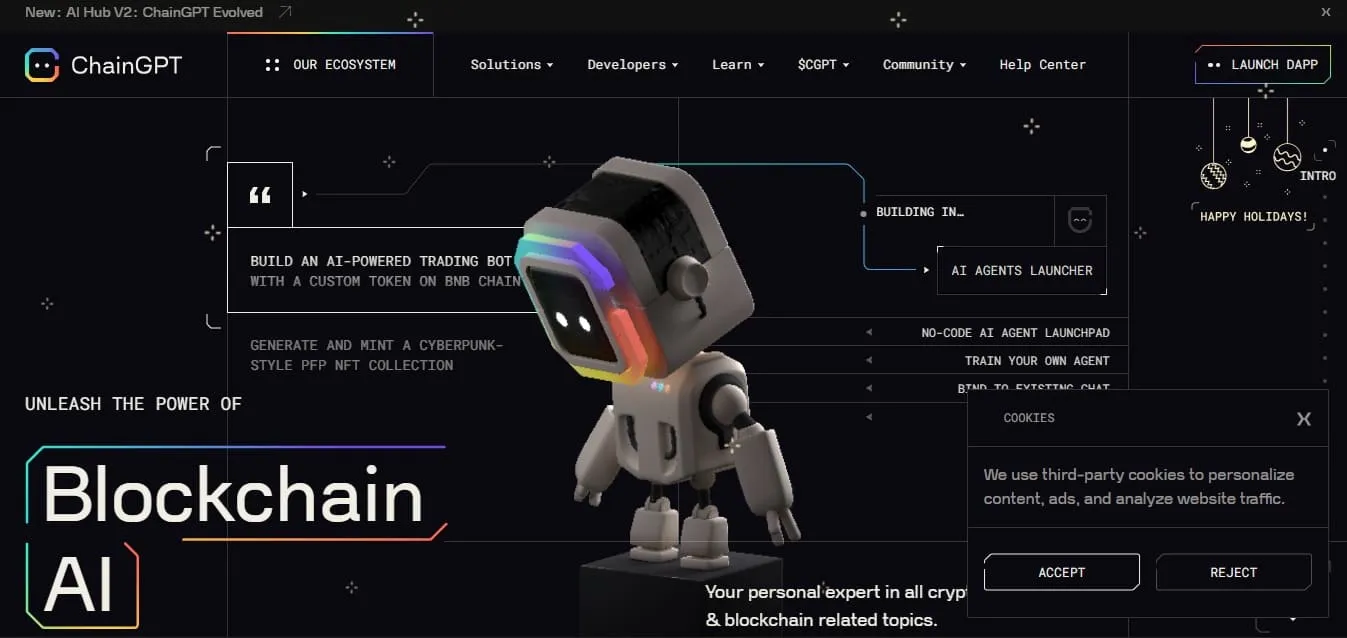
Dark-themed 3D web design for ChainGPT with a white robot mascot | Source: ChainGPT
Creating a 3D website requires a blend of creative vision and technical precision. Following a structured process ensures that the final result is both aesthetically pleasing and functionally sound.
1. Visual Planning and Brand Alignment
The first step involves defining the visual style and its relation to the brand’s core identity. You must decide whether to use realistic textures or a more stylized, abstract aesthetic. This planning phase ensures that the 3D elements support the overall message rather than distracting from it.
2. Selecting the Right 3D Content Style
Consider whether your project benefits most from character models, environmental depth, or abstract floating shapes. Many 3D web design examples showcase how minimalist floating objects can create a premium feel. This choice should reflect the complexity of your product and the expectations of your target audience.
3. Choosing the Proper Software
Your choice of tools will determine the technical capabilities and limitations of your website. Popular 3D web design software includes Spline for web-friendly modeling and Blender for high-end professional renders. These platforms allow you to export models in formats such as GLTF or GLB, which are optimized for web use.
To make your models live and interactive, you need to use specialized web libraries. These technologies allow the browser to render 3D graphics using the device’s hardware acceleration.
This technical implementation is the core of how to make 3D web design work seamlessly in a browser environment. It enables complex animations and real-time shadows without excessive lag.
5. Optimizing for Performance and Speed
Large 3D files can significantly slow down your website if they are not properly compressed. Use tools to reduce polygon counts and optimize textures before integrating them into the code. This is because a slow website will frustrate users regardless of how beautiful the 3D visuals look.
6. Designing for User Experience (UX)
Ensure that 3D elements do not obstruct the primary navigation or essential content of the site. The 3D components should enhance the user journey rather than creating a confusing interface. Maintaining high UX standards is a critical part of how to make 3D web design effective for business goals.
7. Testing Across Multiple Devices
Always verify that your 3D interactions work smoothly on mobile devices and different browsers. Some mobile hardware may struggle with complex real-time renders. Consequently, you may need to provide simplified 2D fallbacks for older devices to ensure accessibility for everyone.
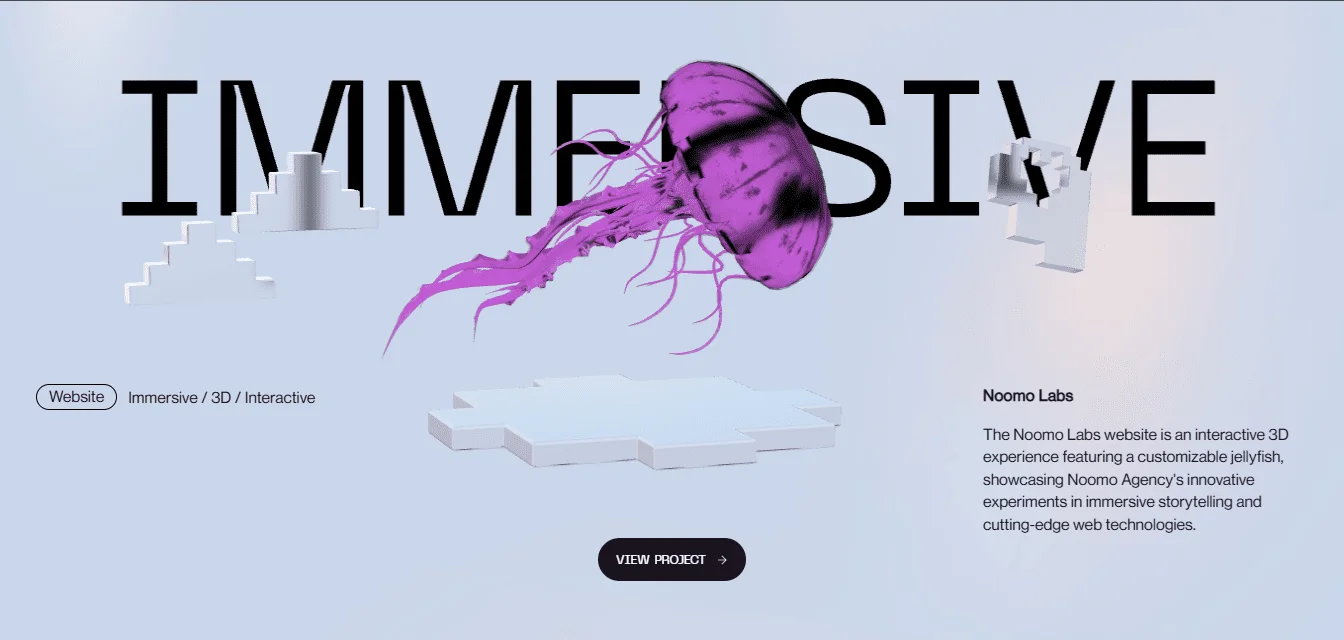
Noomo Labs 3D web design featuring a floating purple jellyfish and bold background text | Source: Noomo Agency
While 3D elements can enhance a website, poor implementation often results in usability and performance problems. To avoid these issues, designers should be aware of common mistakes that can undermine the effectiveness of 3D web experiences:
Overloading pages with too many high-resolution 3D assets, which increases load times and impacts performance.
Ignoring mobile optimization, leading to slow rendering or crashes on smartphones.
Using 3D purely as a visual gimmick without a clear purpose or connection to the brand story.
Neglecting loading states, leaving users staring at blank screens while 3D assets load.
Creating confusing navigation when 3D elements obstruct interactions or usability.
Mastering how to make 3D web design lets your brand break free from traditional, flat digital boundaries, creating a memorable experience that creates deeper connections with your audience. By following these steps, you can build a website that is not just a tool, but a fully realized digital world.
The journey toward a professional 3D presence requires a partner who understands the balance of art and technology. High-quality 3D visuals require specialized skills to ensure they are beautiful and performant. This is where professional expertise becomes essential for achieving a polished, high-end result.
For brands ready to transform their digital presence with immersive visuals, Tridimensi offers specialized 3D design services. They help you craft stunning 3D assets that are perfectly optimized for web integration. Elevate your landing pages and campaigns by collaborating with Tridimensi to bring your 3D concepts to life.