SPECIAL OFFER ✦ BUY 2 GET 1 FREE! ✦ ADD 3 PRODUCTS TO YOUR CART, AND THE DISCOUNT APPLIES AUTOMATICALLY!
SPECIAL OFFER ✦ BUY 2 GET 1 FREE! ✦ ADD 3 PRODUCTS TO YOUR CART, AND THE DISCOUNT APPLIES AUTOMATICALLY!
SPECIAL OFFER ✦ BUY 2 GET 1 FREE! ✦ ADD 3 PRODUCTS TO YOUR CART, AND THE DISCOUNT APPLIES AUTOMATICALLY!
SPECIAL OFFER ✦ BUY 2 GET 1 FREE! ✦ ADD 3 PRODUCTS TO YOUR CART, AND THE DISCOUNT APPLIES AUTOMATICALLY!
In an era of endless scrolling, catching a customer’s eye requires something more than a static image. Modern augmented reality ads offer that “wow” factor by bringing digital products directly into your physical space. Let’s dive into how this technology is reshaping the marketing world.
Key takeaways:
AR ads enhance user engagement by blending digital elements with the real world, creating more interactive and memorable brand experiences.
Compared to traditional formats, AR ads can drive higher dwell time and significantly improve brand recall through active user participation.
As adoption grows, AR ads are becoming a powerful tool for brands to boost visibility, encourage sharing, and stand out in competitive digital spaces.
What Is Augmented Reality Advertising?
Today, augmented reality ads allow brands to enhance the user’s view of the real world by overlaying digital data onto the surroundings. This modern marketing landscape can be placed everywhere, whether it’s placing a sofa in a living room or animating a static poster; these ads feel anchored to the user’s physical context.
How AR Creates Immersive, Interactive Experiences?
Instead of just watching a screen, users interact by tapping, dragging, or moving around 3D elements in their own space. These actions turn the ad into a micro-experience where potential customers are essentially “operating” the brand’s narrative. By leveraging spatial awareness, these campaigns capture attention with a new, unusual approach.
Why AR is Gaining Popularity
Here are some industry data points on a few specific drivers behind the rapid rise of augmented reality ads in recent years:
Extended Dwell Times: Interacting with an AR experience can keep users engaged for over a minute, compared to just a few seconds for standard display ads.
Superior Brand Recall: Because users actively engage rather than passively view content, brand recall can increase by up to 70%.
User Advocacy: Essentially, turning all people into ambassadors when a user shares a branded ad.
Expert View on AR’s Role in Modern Advertising
Coursera’s marketing insights state: “Augmented reality advertising creates immersive brand experiences that increase engagement by fusing digital overlays with real‑world environments… in today’s attention economy, immersive formats like AR can help advertisers capture focus and sustain it through interactive, personalized content”.
The IAB also supports this by adding digital layers to physical locations or objects, and AR becomes a natural fit for performance-driven campaigns. Ultimately, envision that immersion and more personalized advertising will be the future.
Putting Theory into Practice: Augmented Reality Ads in Action
Understanding the technology is only half the battle. Then, seeing how brands actually deploy these tools reveals their true potential. Let’s check them out!
1. Social Media AR Filters
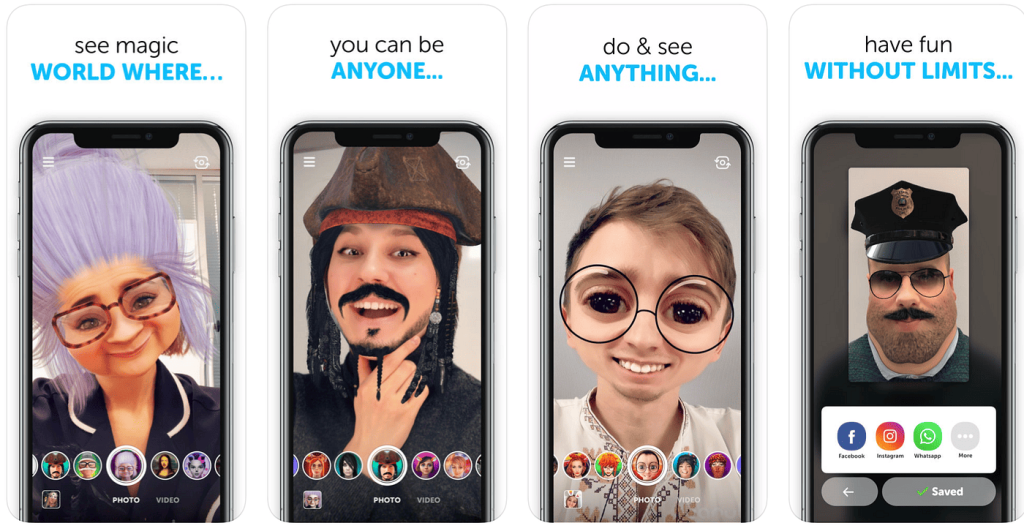
Face Filters (Source: Medium)
Social media filters, especially the ones that are attached to a brand on social media, are currently the most scalable type of augmented reality ads. By using face filters, brands transform passive followers into active participants who essentially co-create the ad by sharing it with their own circles.
The Upside: Built for virality. When a user enjoys a filter, they post it to their Stories or Reels, leading to massive organic reach and high brand recall.
The Hurdles: You are tied to a platform’s specific rules and algorithm shifts. Plays, standing out among the abundantly many filter options, require a higher level of creative polish.
2. Virtual Try-Ons for Retail
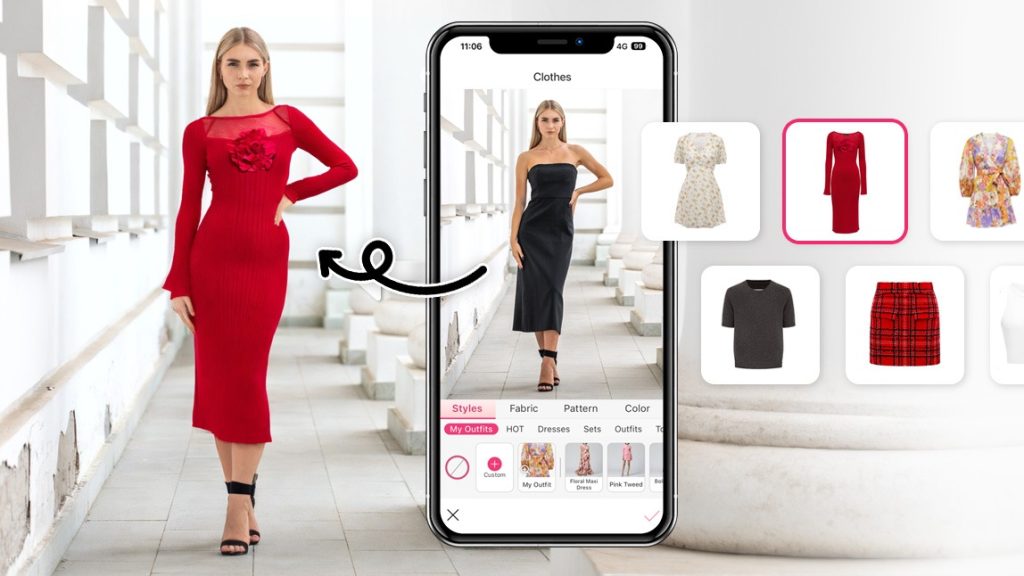
Virtual Try-On (Source: Perfect)
This format allows users to see how clothing, shoes, or makeup looks on them in advance. High-end brands like Gucci and Sephora have pioneered this method. Using augmented reality ad campaigns to bridge the gap between browsing and buying.
The Upside: this method directly eliminates the “uncertainty gap” in e-commerce. By visualizing, customers can spark ideas and better mix them with their existing wardrobe. Therefore more likely to buy the item.
The Hurdles: Technical accuracy is everything here, especially for the tracking. So, it requires tight integration with your e-commerce backend.
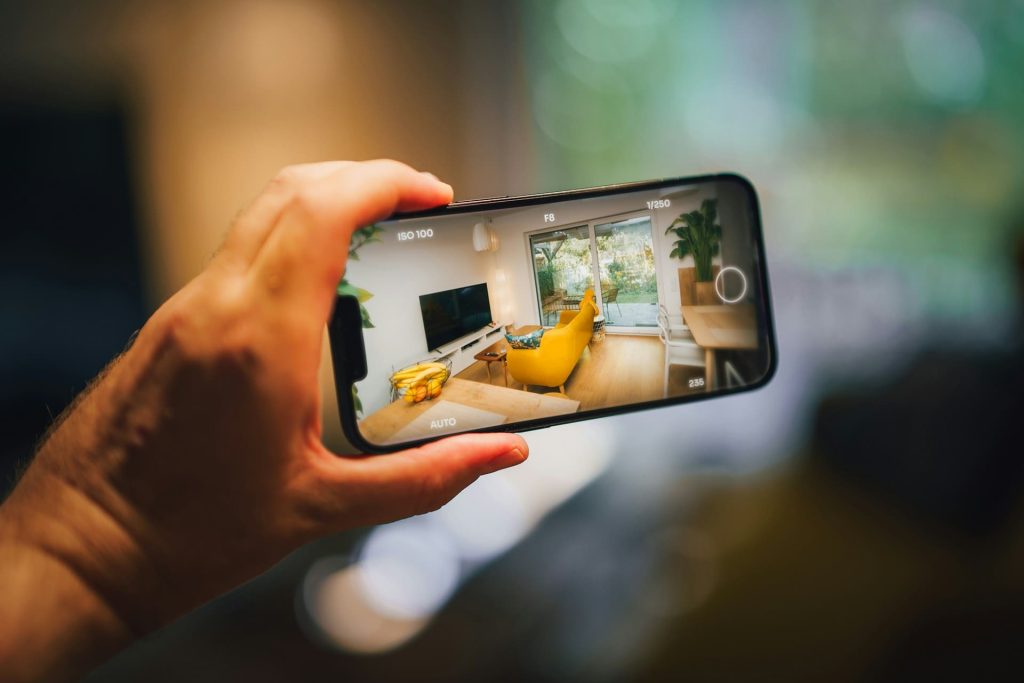
Furniture Augmented Reality Use (Source: Unsplash)
WebAR is a game-changer because it works directly in a mobile browser without an app download. This is one of the best ways to use augmented reality in video ads as a call to action, letting viewers instantly place a 3D product into their own living room.
The Upside: Extremely low friction. With no app to install, participation rates are much higher. Higher product scale and look, resulting in users’ confidence.
The Hurdles: Performance can be hit-or-miss on older devices. So 3D assets must be heavily optimized to load quickly and run smoothly.
4. Interactive Out-of-Home (OOH) AR
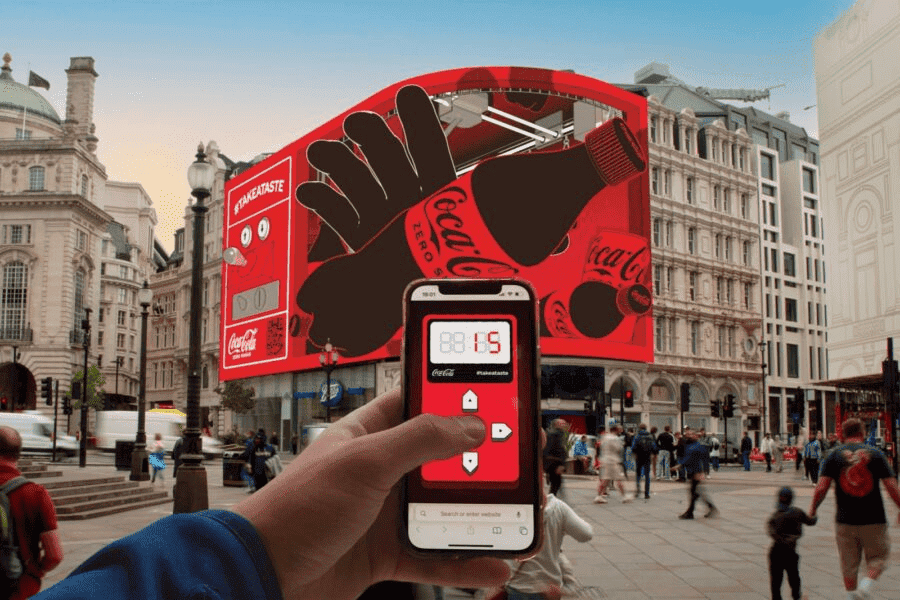
Augmented Reality Billboard (Source: Adzze)
By adding augmented reality technology to a standard billboard or bus shelter, a brand can turn a static street corner into an interactive stage. These Experiences overlay digital content onto physical landmarks or transit hubs.
The Upside: It creates the “stop-and-stare” moment that generates social media buzz and effectively drives foot traffic to nearby retail locations.
The Hurdles: It depends on many external factors, like 5G connectivity and lighting conditions. These factors can significantly interfere with the camera’s tracking.
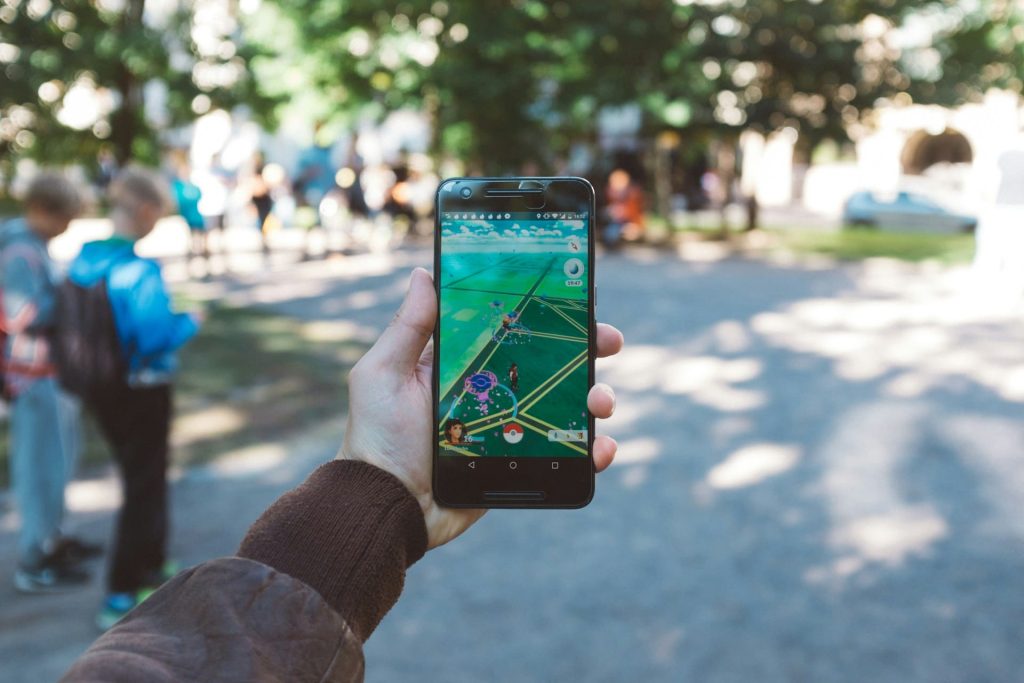
This format can turn specific venues or entire cities into branded playgrounds by tying interactions to real-world coordinates. Similar to the mechanics of Pokémon Go, brands use this for scavenger hunts or digital “treasure” hidden in-store.
The Upside: It drives long-term engagement and provides rich data on user behavior. You can find out where customers typically gather and for how long they stay at a specific location.
The Hurdle: Requires custom development and significant maintenance. Also, you will spend more on “onboarding” to teach users how to play.
Why You Should Start Planning Your Augmented Reality Ads
To wrap up, we’ve seen how AR transforms passive viewers into active participants, driving higher engagement and lowering the uncertainty gap. Whether through social filters or WebAR, this technology is clearly the future of high-impact digital storytelling.
You can strengthen your brand’s presence by incorporating professional 3D elements and animations from Tridimensi. Ensure your final ad results look polished, immersive, and incredibly attractive.