SPECIAL OFFER ✦ BUY 2 GET 1 FREE! ✦ ADD 3 PRODUCTS TO YOUR CART, AND THE DISCOUNT APPLIES AUTOMATICALLY!
SPECIAL OFFER ✦ BUY 2 GET 1 FREE! ✦ ADD 3 PRODUCTS TO YOUR CART, AND THE DISCOUNT APPLIES AUTOMATICALLY!
SPECIAL OFFER ✦ BUY 2 GET 1 FREE! ✦ ADD 3 PRODUCTS TO YOUR CART, AND THE DISCOUNT APPLIES AUTOMATICALLY!
SPECIAL OFFER ✦ BUY 2 GET 1 FREE! ✦ ADD 3 PRODUCTS TO YOUR CART, AND THE DISCOUNT APPLIES AUTOMATICALLY!
Whether you’re a lifelong gamer or just dipping your toes into the digital world, you’ve probably noticed how different 2D vs 3D games can feel. From the way characters move to the worlds they explore, each style brings its own kind of magic. Let’s find out more in detail and how developers see it.
Understanding the Difference between 2D vs 3D Games
The difference between 2D and 3D games goes far beyond visual perspective; it involves the technical and user experience as explained below.
Gameplay: Movement and Controls
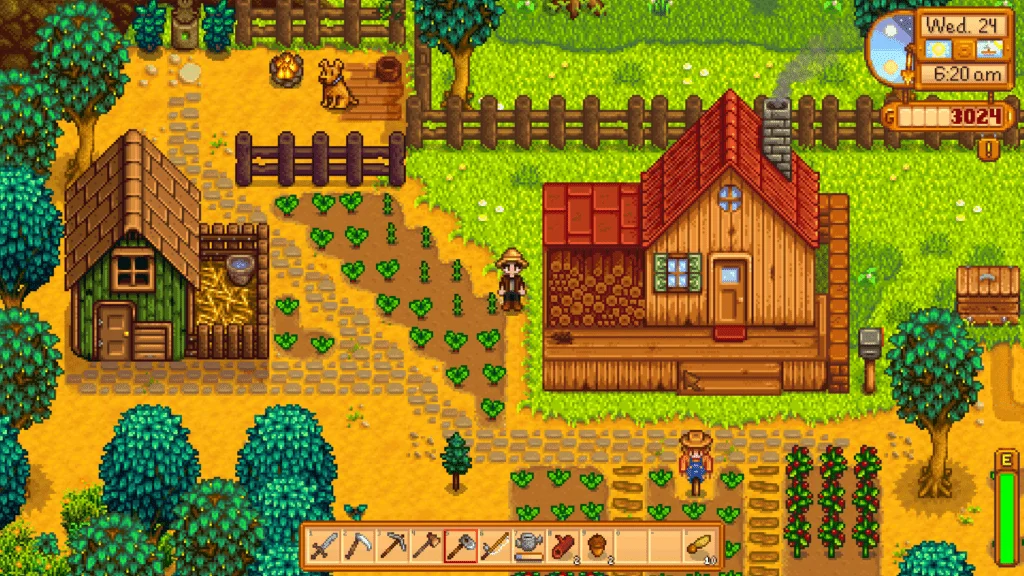
2D, Pixelated Game Environment (Source: Main Leaf Games)
According to iLogos, one of the most noticeable differences between 2D games vs 3D games lies in how players move through the game world. In 2D games, movement is confined to a flat plane, where you can move up, down, left, or right. Because the player’s orientation never changes, the learning curve is minimal.
In contrast, 3D games introduce a sense of spatial freedom. Players can navigate in all axes, including depth, meaning they must manage camera angles, perspective, and often dual analog sticks.
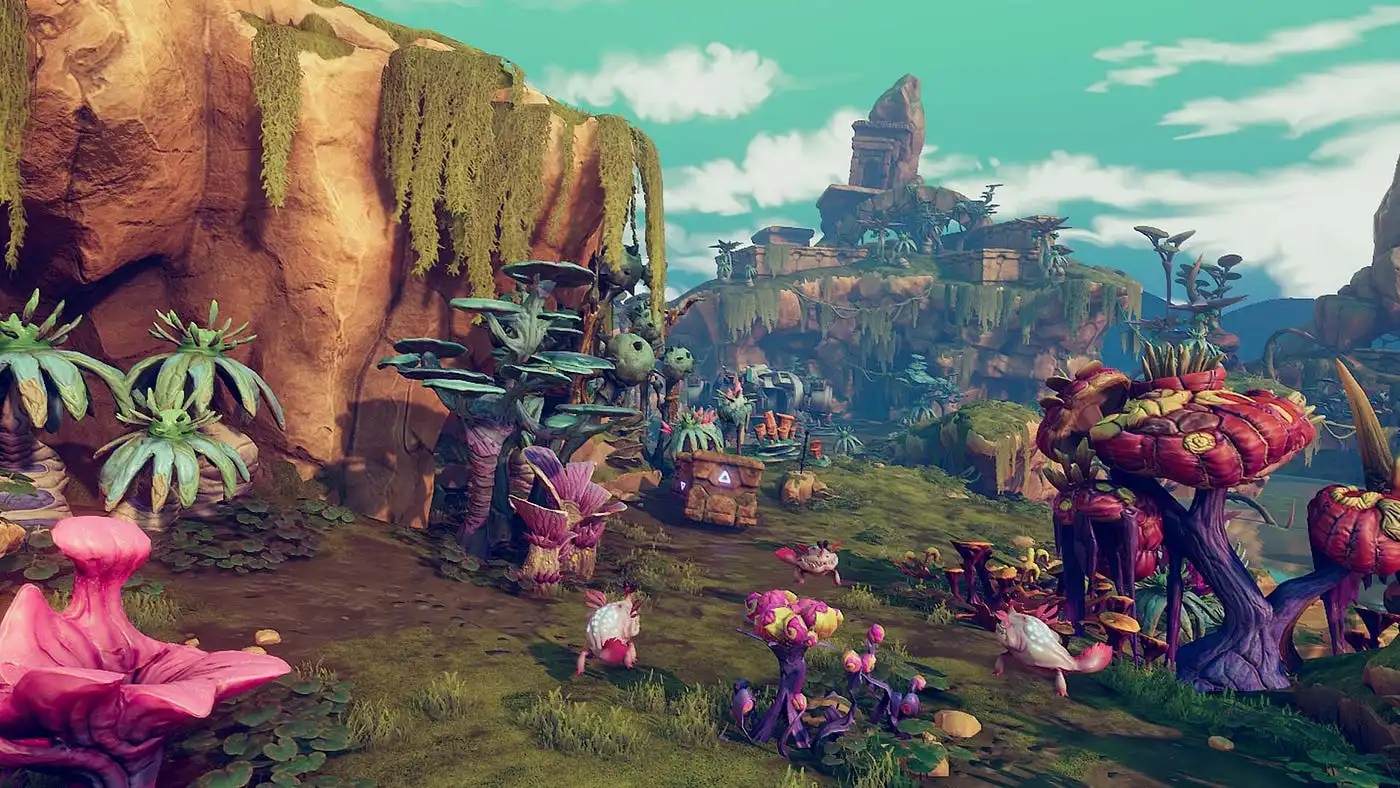
3D Game Environment (Source: Medium)
While this adds a rich layer of immersion, it can be overwhelming for those unfamiliar with complex control schemes. Mastery of movement becomes part of the gameplay challenge itself, especially in action or adventure games where camera control, such as FOV and sensitivity preference, can make or break performance.
From a design perspective, 2D games tend to favor structure and clarity. Levels are usually linear, allowing designers to tightly control pacing, complexity, and narrative flow. Mechanics like timed jumps, enemy patterns, or environmental puzzles are often built around pixel-perfect precision.
3D games thrive on exploration and dynamic interaction. The third dimension allows for environmental puzzles, climbing systems, dynamic physics, and complex object interaction.
Players are often encouraged to explore rather than follow a set path, which opens the door to open-world formats, branching storylines, and non-linear progression. This shift demands more from both the designer and the player, offering a sandbox-like freedom that rewards curiosity and experimentation.
Visual Style and Presentation
When it comes to aesthetics, 2D vs 3D games cater to different sensibilities. 2D games often lean into stylization, whether through retro pixel art, hand-drawn animation, or minimalist design.
This makes them ideal for creating a noticeable visual identity, especially in indie development where resources may be limited but creativity is high. The flat presentation also contributes to visual clarity.
On the other hand, 3D games aim for visual depth, using realistic lighting, textures, and models to create immersive environments. Dynamic camera angles, atmospheric effects, and lifelike animations make these games feel more cinematic.
However, the push for realism can sometimes lead to generic aesthetics if not handled thoughtfully. Some developers blend stylized 3D art with exaggerated proportions or cell shading to maintain game visual uniqueness.
How about 2D vs 3D game development aspects? Developing a 2D game usually involves a more straightforward workflow: designing characters and environments as sprites, animating them frame by frame, and assembling them into tilesets.
Because the asset creation and programming are generally simpler, 2D games are popular among indie studios and solo creators. Additionally, 2D games are easier to scale across platforms, from PCs to smartphones.
GameMakers understands that creating a 3D game is more resource-intensive. Assets must be modeled, textured, rigged, and animated in 3D space. Lighting systems, camera mechanics, physics engines, and collision detection become much more complex.
These 3d games often require a team of specialists, from 3D artists to technical animators, and are usually built with powerful engines like Unreal or Unity. As a result, the development timeline can stretch significantly longer, and budgets rise accordingly.
Comparing 2D vs 3D games’ performance on today’s available devices is also crucial. 2D games run efficiently on most devices because of their lightweight nature. This makes them accessible to a broader audience and ideal for mobile gaming markets. Load times are faster, power consumption is lower, and optimization is generally simpler.
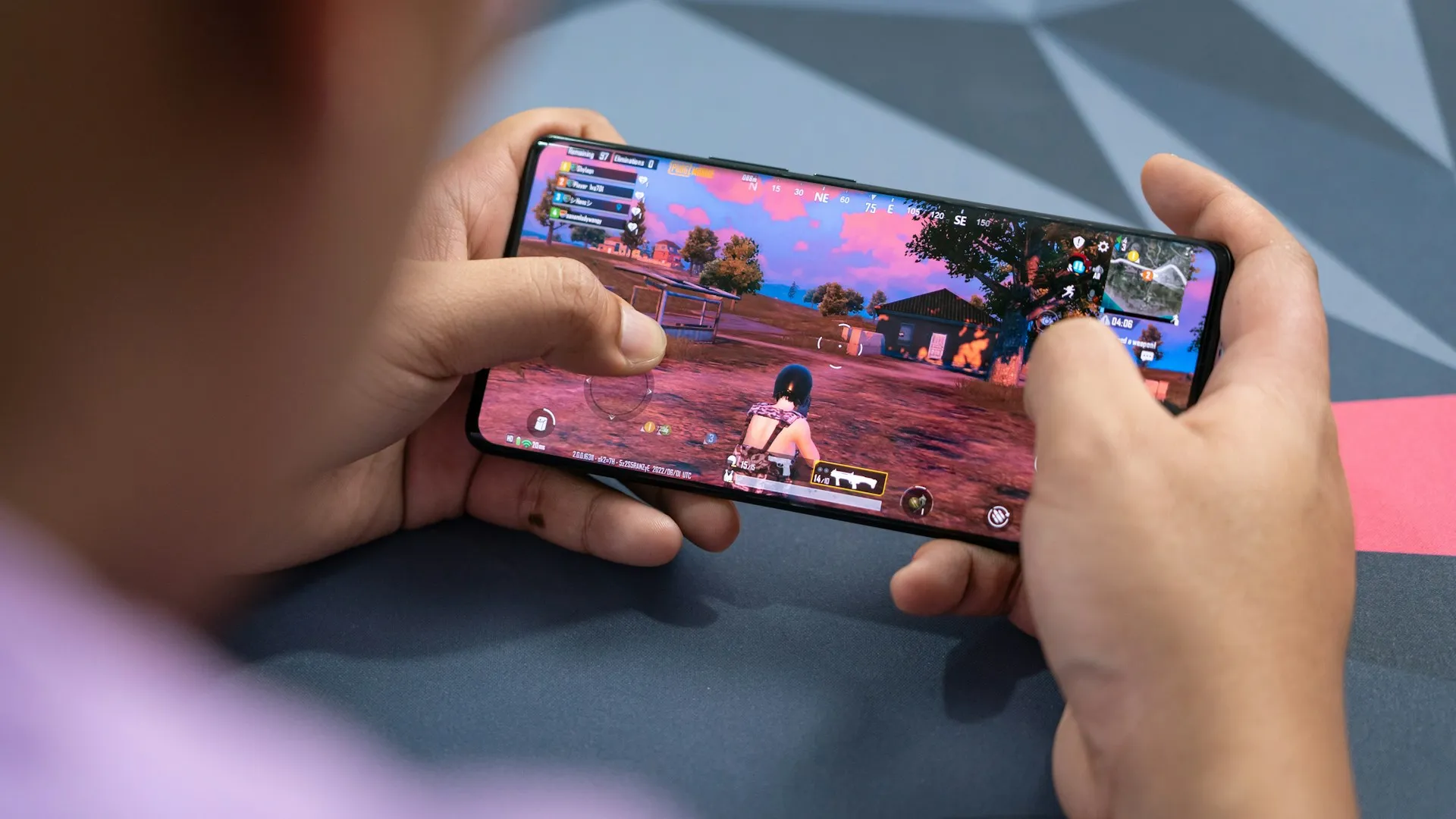
3D Mobile Game (Source: Unsplash)
In contrast, 3D games are more taxing on hardware. High-resolution textures, real-time lighting, and physics simulations demand robust processing power and graphics capabilities.
Developers must devote more time to performance tuning, ensuring their game runs smoothly across a variety of devices. Optimization becomes a crucial part of the game development cycle, especially for multiplatform releases.
For this aspect, 2D games are often associated with fast, focused gameplay. Their clarity and simplicity allow players to dive in quickly, making them well-suited for short gaming sessions and casual experiences. They’re especially popular in genres like platformers, roguelikes, and puzzle games.
3D games cater to players looking for a deeper dive. With open-world exploration, layered mechanics, and cinematic storytelling, they offer experiences that can stretch across multiple hours. They’re a go-to format for games where realism and player agency matter.
The Future of 2D vs 3D Games
As development tools become more accessible, the gap between 2D and 3D continues to narrow in exciting ways. Still, the 2D and 3D game difference will likely remain a creative crossroads, effectively sparking creativity on how we play, learn, and tell stories through games.If you’re interested in making your own game, visit Tridimensifor high-end assets. From backgrounds, 3D assets, to animations, we offer only top-quality elements to cut down your game-making process.