SPECIAL OFFER ✦ BUY 2 GET 1 FREE! ✦ ADD 3 PRODUCTS TO YOUR CART, AND THE DISCOUNT APPLIES AUTOMATICALLY!
SPECIAL OFFER ✦ BUY 2 GET 1 FREE! ✦ ADD 3 PRODUCTS TO YOUR CART, AND THE DISCOUNT APPLIES AUTOMATICALLY!
SPECIAL OFFER ✦ BUY 2 GET 1 FREE! ✦ ADD 3 PRODUCTS TO YOUR CART, AND THE DISCOUNT APPLIES AUTOMATICALLY!
SPECIAL OFFER ✦ BUY 2 GET 1 FREE! ✦ ADD 3 PRODUCTS TO YOUR CART, AND THE DISCOUNT APPLIES AUTOMATICALLY!
Ever wondered what it feels like to step inside the silver screen? A 9D cinema makes that impossible dream a reality by engaging every single one of your senses. It’s a bright new era for entertainment that you simply have to feel. Let’s dive in!
Key Takeaways:
Unlike traditional formats, these theaters turn passive viewers into active participants.
9D theaters blend 3D visuals with synchronized physical sensations for total immersion.
This technology represents the highest tier of modern “out-of-home” entertainment.
What is 9D Cinema?
9D Cinema (Source: TripAdvisor)
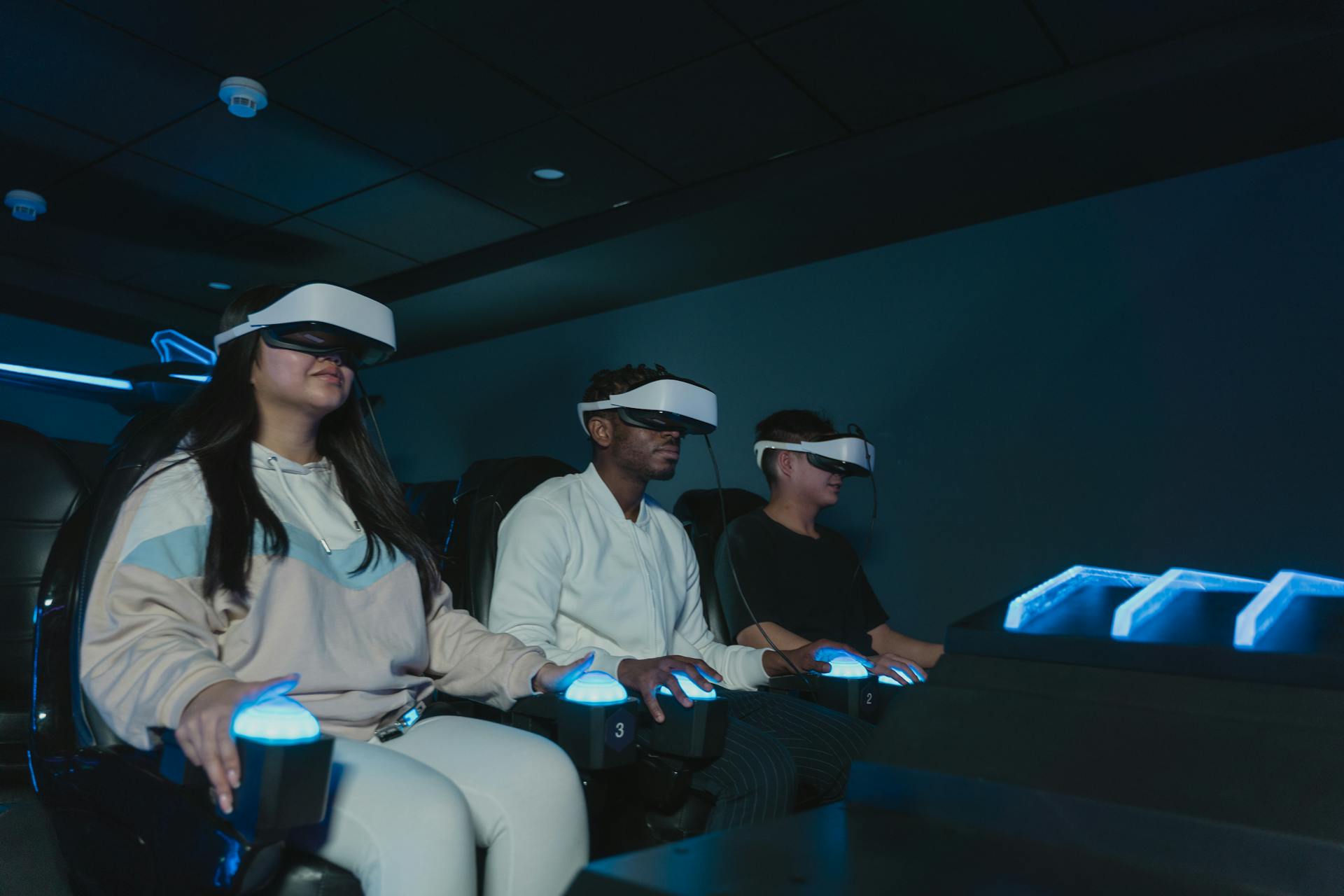
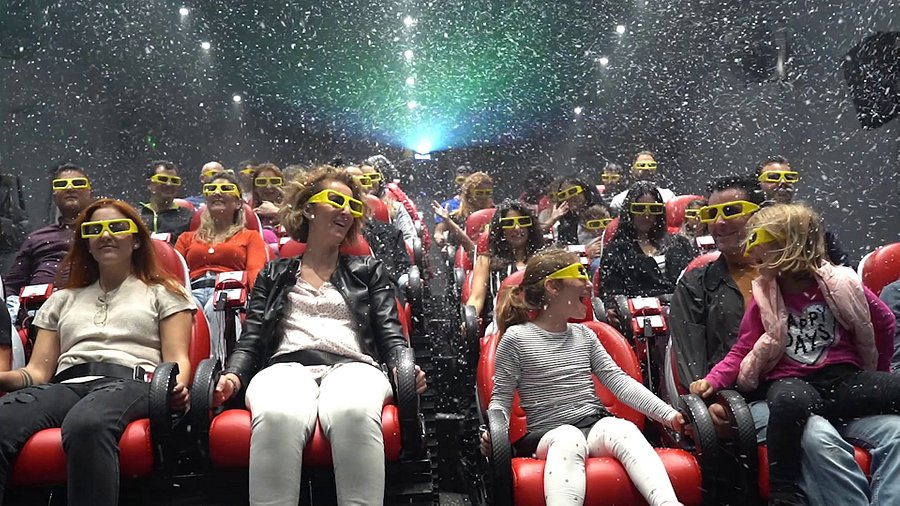
At its core, 9D cinema represents the peak of immersive technology, evolving the movie-going experience by blending 3D visuals with synchronized multi-sensory effects. Unlike traditional theaters that you just passively observe, this format integrates seat motion, wind, watersprays, and scents to ensure viewers physically feel the action.
By engaging sight, sound, touch, smell, and balance, cinema 9D creates a psychological state of “presence” where the boundaries between the audience and the film blur. As one industry source from MoviePower notes:
“9D cinema immerses you in the film through motion, sensory effects, and realistic simulations. It lets you become an active participant instead of a passive observer, intensifying the emotional impact of the story.”
The magic behind this experience is actually a sophisticated, synchronized dance between three hardware layers. These components are all governed by a central control unit that matches film cues with millisecond precision. Let’s break them down!
1. The Visual & Audio Engine
Modern systems utilize HD 3D projectors or massive, high-gain curved screens to dominate the viewer’s field of view. In many 2026 setups, a shift occurs to incorporate an enhancement using 360-degree VR headsets. Advanced surround sound systems provide the spatial audio necessary to ground you in the environment.
2. Precision Motion Platforms
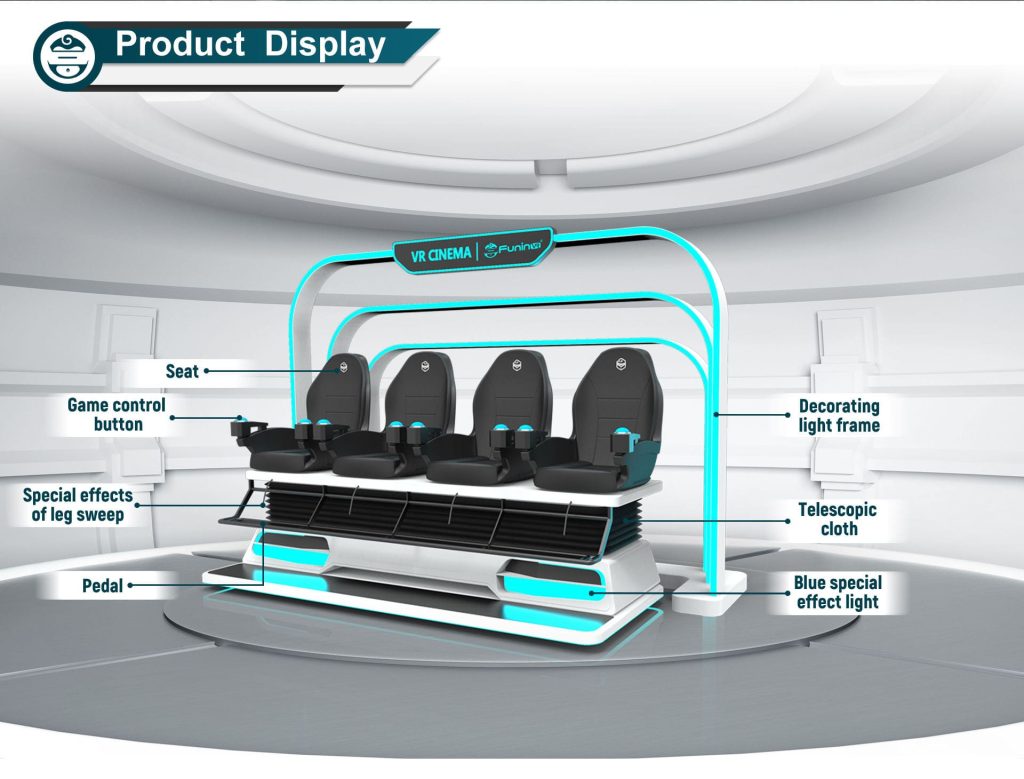
The seating is where the physical narrative happens. These platforms typically offer 3-DOF (Degrees of Freedom) or even up to 6-DOF movement, allowing for tilting, surging, and heaving. Experts like SKYFUN and MoviePower emphasize this seamless integration:
“The 9D VR Cinema motion seats, sound systems, and environmental effects are all synchronized with the film… physical movements and reactions are captured, enhancing the overall experience.”
3. Atmospheric Array
To sell the illusion, the theater uses a variety of peripheral generators. Below is a breakdown of the key effects:
Understanding the leap to 9D cinema requires looking at the evolution of the theater experience. While each iteration builds upon the last, the shift from 4D to 9D involves a fundamental change in how a story is “consumed”.
While 3D focuses strictly on visual depth, and 4D introduces basic physical cues, 9D delivers a total environmental stimulation. This is where 9D adventure extreme cinemas separate themselves from the pack, utilizing high-frequency data syncing to ensure every stimulation happens in perfect harmony with the visual narrative.
Key Differences at a Glance
The table below highlights the key differences between 3D, 4D, and 9D for quick comparison.
Each format offers a different level of immersion, so the best choice depends on how intense, interactive, or comfortable you want the experience to be.
3D Cinema
The most accessible and affordable option. It’s perfect for long-form blockbusters where you want visual depth without the physical fatigue. However, it remains a purely visual medium and can occasionally cause minor eye strain.
4D Cinema
A great middle-ground that adds a “theme park” thrill to the movie. It’s excellent for action sequences, though some purists find the physical effects distracting during quieter, narrative-heavy moments.
9D Cinema
This is the ultimate “adventure” format. By turning viewers into participants, 9D experience offers a level of realism that standard theaters simply cannot match. When the scene is in the storm, you are smelling the rain and feeling the drop in temperature.
While the 9D is the gold standard for engagement, it does come with considerations. Due to the high-intensity motion and VR integration, it is typically found in specialized arcades or “extreme” entertainment centers only. Also, the heightened realism means venues must provide health warnings for those prone to motion sickness or sensory overload.
The jump from 3D to 9D represents a total revolution in how we experience stories. By blending cutting-edge VR visuals with tactile, real-world sensations, these theaters offer an unparalleled thrill. It is the ultimate destination for anyone seeking true immersion.
To truly captivate modern audiences, static imagery is no longer enough. You must bridge the gap to realism by integrating premium 3D assets from Tridimensi. Elevating your visuals with these professional models is the essential step toward creating a lively, world-class project.